17 April 2026
7 min read
Do you need insulation before installing a heat pump?

Published on
17 April 2026
Time to read
7 minutes
Key takeaways
- You don’t need perfect insulation to install a heat pump – but it improves efficiency, comfort, and running costs.
- In some homes, simple upgrades like loft insulation or draught proofing can make a big difference before installation.
- The best approach depends on your home. A proper heat loss assessment shows what matters most.
It’s one of the first questions most homeowners ask: Do I need to insulate my home before installing a heat pump?
The short answer is: not always. But it depends on your home.
You don’t need a perfectly insulated property to install a heat pump. But it does play an important role in how efficiently your system runs, how much it costs to operate, and how comfortable your home feels.
So the real question isn’t whether insulation is required. It’s how much insulation makes sense for your home – and when to do it.

Talk to a Clean Energy Expert
How insulation affects heat pump performance
A heat pump works differently to a traditional boiler. Instead of delivering short bursts of high heat, it provides a steady, consistent flow of warmth. That means your home’s ability to hold onto that heat matters more.
In a well-insulated home, heat stays inside for longer. The system can run steadily and efficiently, maintaining a comfortable temperature without working too hard. In a poorly insulated home, heat escapes more quickly. The system can still keep you warm, but it has to work harder to do it.
This has three main effects.
1) It influences system sizing. Homes that lose heat quickly often need a larger heat pump to compensate. That can increase upfront costs.
2) It affects running costs. If heat is constantly escaping, the system needs to run more often, which increases electricity use.
3) It impacts comfort. Even if the system is working correctly, poor insulation can lead to colder spots, more noticeable temperature swings, and a home that feels harder to keep warm.
None of this means a heat pump won’t work. It simply means insulation helps the system do its job more efficiently, which equates to lower energy bills.
When insulation is essential
There are some situations where improving insulation before installing a heat pump makes clear sense.
If your home has very high heat loss – for example, little or no loft insulation, uninsulated solid walls, or significant draughts – a heat pump may need to be sized much larger to compensate. In some cases, this can make the system more expensive to install and run than necessary.
You might also notice that your current heating struggles to keep up on colder days. If certain rooms never feel fully warm, or the heating is constantly running without reaching the set temperature, it’s often a sign that heat is escaping too quickly.
In these cases, addressing the biggest areas of heat loss first can make a meaningful difference. It can reduce the size of the system you need, improve efficiency, and create a more comfortable baseline for any heating system – not just a heat pump.
When you can install a heat pump without insulation and other upgrades
For many homes, the picture is more balanced.
If your property already has a reasonable level of insulation – like loft insulation, double glazing, or cavity walls – you can often install a heat pump without needing a full insulation overhaul.
This is where system design becomes important. A well-designed heat pump system takes your home as it is and works around it. That might mean larger radiators, longer run times, or a system sized to match your heat loss. In many cases, improving how heat is distributed around your home can be just as important as improving insulation.
In other words, insulation is one way to improve performance – but it’s not the only lever.
Some homeowners take a phased approach: installing a heat pump first, then improving insulation over time. This can help spread the cost while allowing you to start reducing emissions and moving away from gas or oil straight away.
Which insulation upgrades matter most before a heat pump?
Not all insulation improvements have the same impact. If you’re deciding where to start, it helps to focus on the areas that typically deliver the biggest gains.
Loft insulation
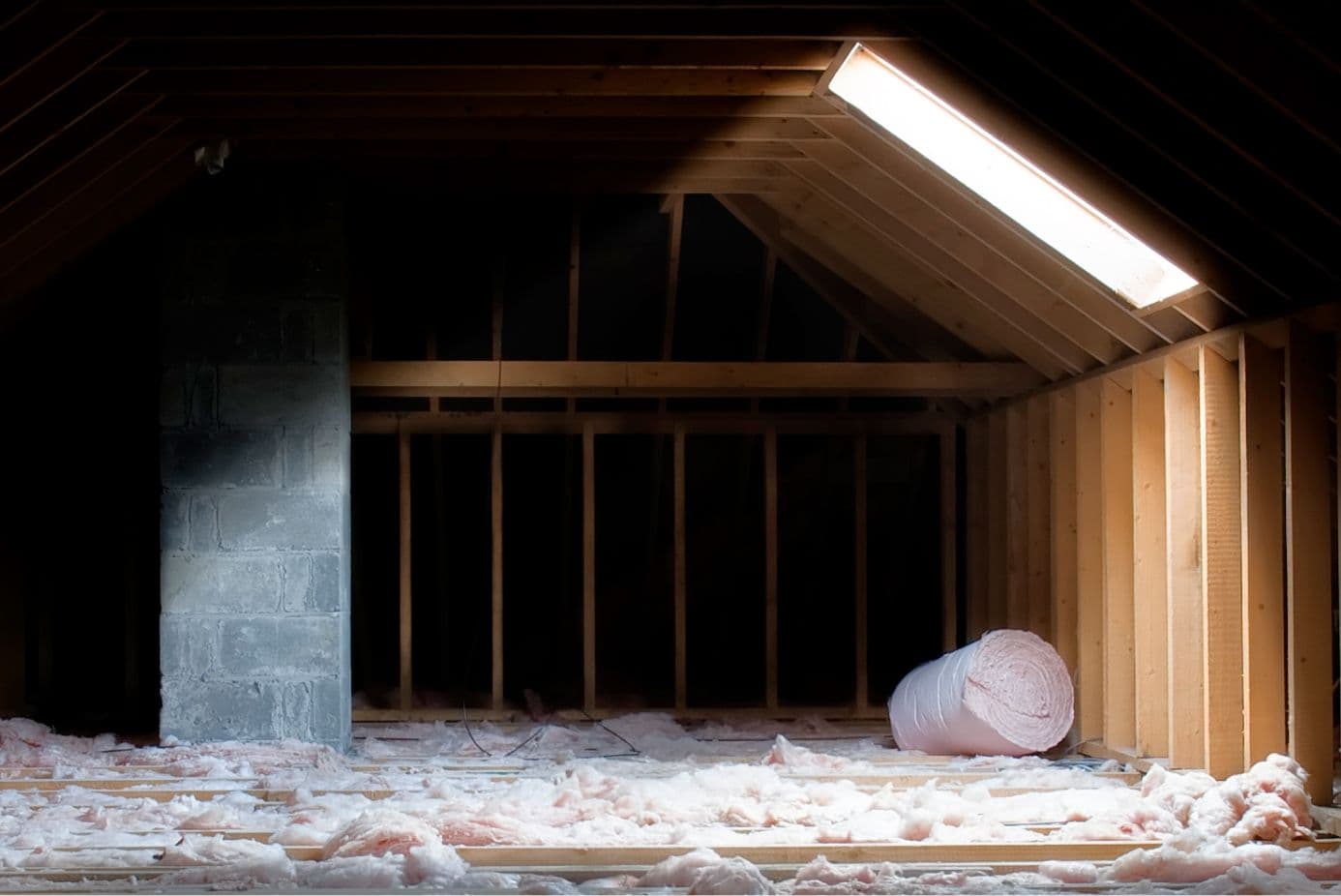
Loft insulation is usually the most effective first step. Heat rises, and a poorly insulated roof is one of the biggest sources of heat loss in most homes. It’s also relatively low cost compared to other upgrades.
Cavity wall insulation
Cavity wall insulation can also make a significant difference where it’s suitable. For homes with cavity walls, this is often a straightforward way to improve heat retention.
Draught proofing
Draught proofing is another simple but effective improvement. Sealing gaps around doors, windows, and floors can noticeably improve comfort and reduce heat loss without major work.
Floor insulation
Floor insulation and solid wall insulation can also help, but they tend to be more disruptive and expensive. These are usually considered longer-term upgrades rather than immediate priorities.
The key is to focus on impact versus effort. Small, targeted improvements often deliver most of the benefit without the cost of a full retrofit.
In many cases, simple upgrades like loft insulation or draught proofing can deliver most of the benefit for a relatively low cost. More extensive upgrades, like solid wall insulation, tend to have a longer payback and are often best considered as part of a wider renovation.
A practical way to decide what insulation you need
If you’re unsure what your home needs, a simple set of questions can help guide your decision.
- Does your home already stay reasonably warm with your current heating system?
- Are there obvious areas of heat loss, like an uninsulated loft or noticeable draughts?
- Is your heating constantly running to keep up in winter?
- Are you planning wider renovation work anyway?
If your home is very leaky and struggles to retain heat, it usually makes sense to tackle the biggest insulation gaps first.
If your home is moderately insulated and generally comfortable, you can often move ahead with a heat pump and improve things over time.
In practice, most homes sit somewhere in the middle. That’s why a proper heat loss assessment is so important. It takes the guesswork out of the decision and shows exactly what your home needs, rather than relying on general rules.
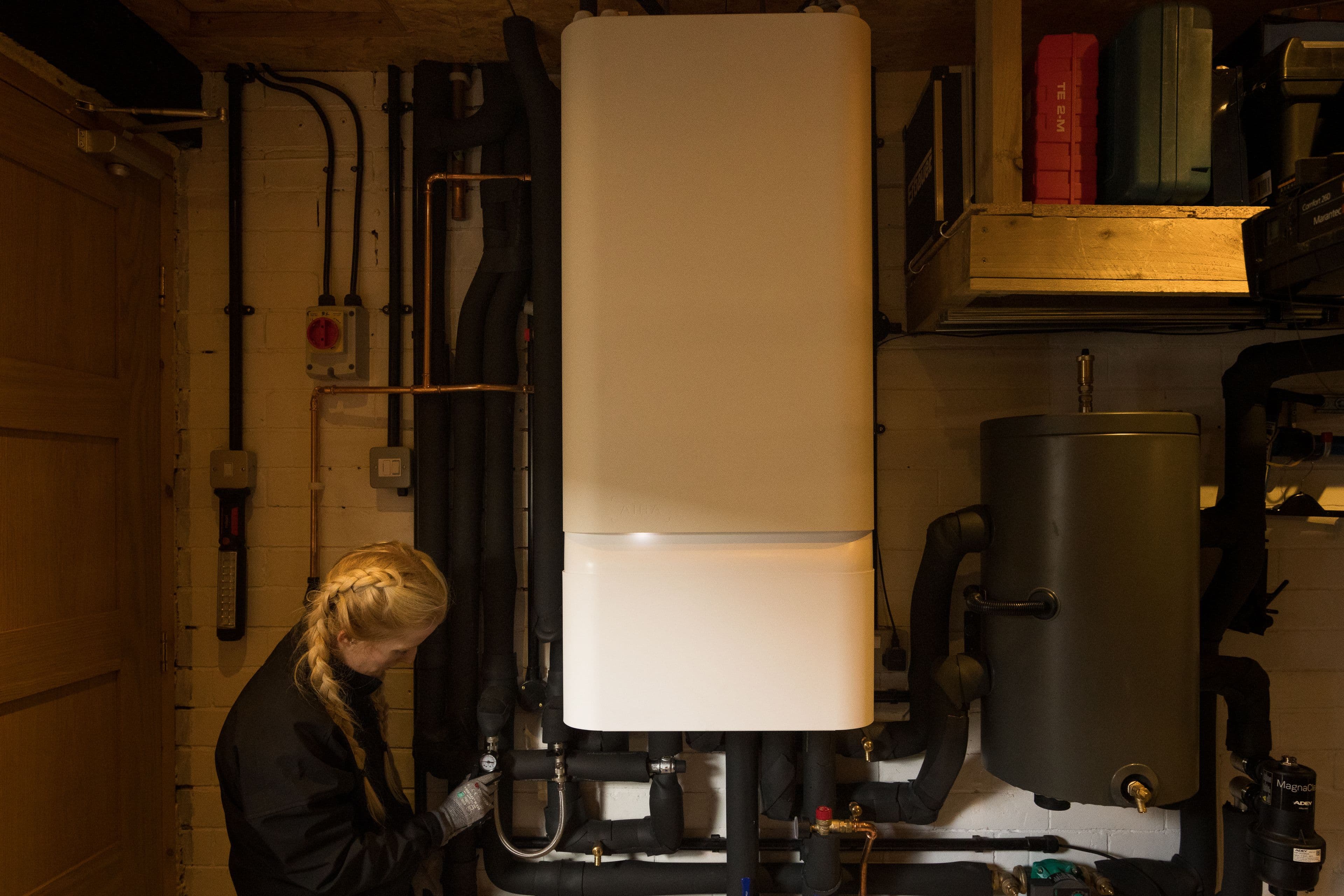
At Aira, we conduct a detailed heat loss calculation using our own design tools, then use this to create a 3D configuration of your home and a tailored Aira Heat Pump system that’s correctly sized for your space.
Common myths about insulation and heat pumps
There are a couple of persistent myths that often make this decision feel more complicated than it needs to be.
The first is that heat pumps don’t work in older or less insulated homes. That’s not true. Heat pumps are already heating a wide range of properties, including period homes. The key is designing the system correctly for the building.
The second is that you need to fully insulate your home before installing a heat pump. In reality, very few homes need every possible upgrade before making the switch. Insulation helps, but it’s not an all-or-nothing requirement.
What matters most is understanding your home’s heat loss and designing a system that can meet it efficiently.
Can you install a heat pump in a poorly insulated house?
Yes, you can install a heat pump in a poorly insulated house. But there’s a difference between whether it can work, and how well it will perform.
In a home with high heat loss, a heat pump may need to be larger and run more often to maintain the same level of comfort. That can increase both installation and running costs.
That’s why insulation isn’t a strict requirement – but improving it, even slightly, can make a noticeable difference to performance and efficiency.
The bottom line
You don’t need perfect insulation to install a heat pump.
But improving insulation – especially in key areas like the loft, walls, and draughts – can make a meaningful difference to performance, comfort, and running costs.
For some homes, insulation should come first. For many others, it can be done alongside or after installation.
The best approach is not to aim for perfection, but to focus on what will have the biggest impact for your home.
Next steps
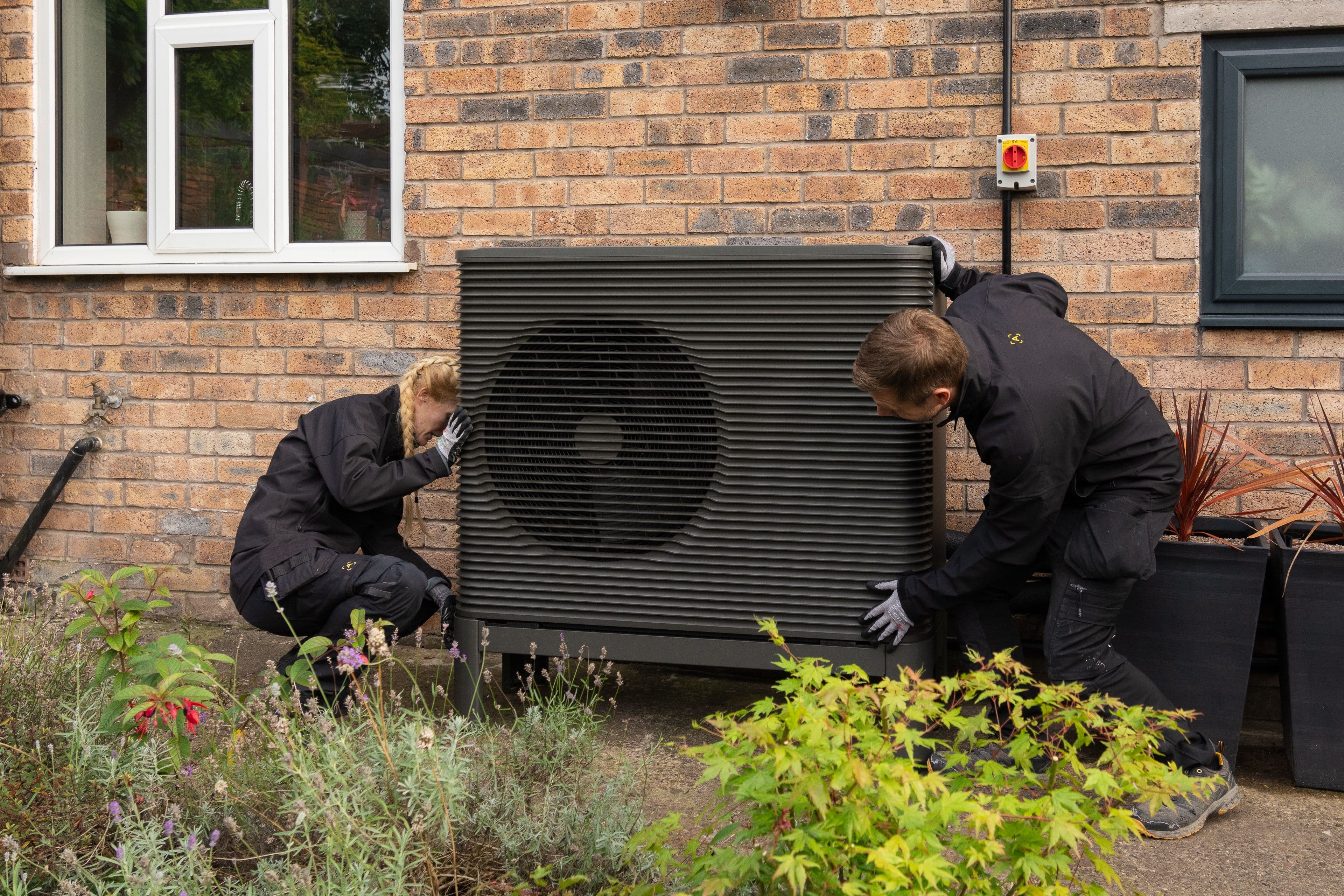
If you’re considering a heat pump, the most useful next step is understanding how your home actually performs.
A proper assessment will show:
- how much heat your home loses
- what size system you need
- and where insulation improvements would make the biggest difference
At Aira, this is built into every free home energy assessment. We look at your home room by room, calculate heat loss, and design a system that works with your property, whether you upgrade insulation first or not.
From there, you can decide whether to upgrade insulation first, move ahead now, or take a phased approach.
Find out if a heat pump is right for your home
Answer 4 quick questions to get started.
What type of house do you live in?

Related articles
Costs & benefits
19 Dec 2025
Is a heat pump ideal for your single-family detached home?
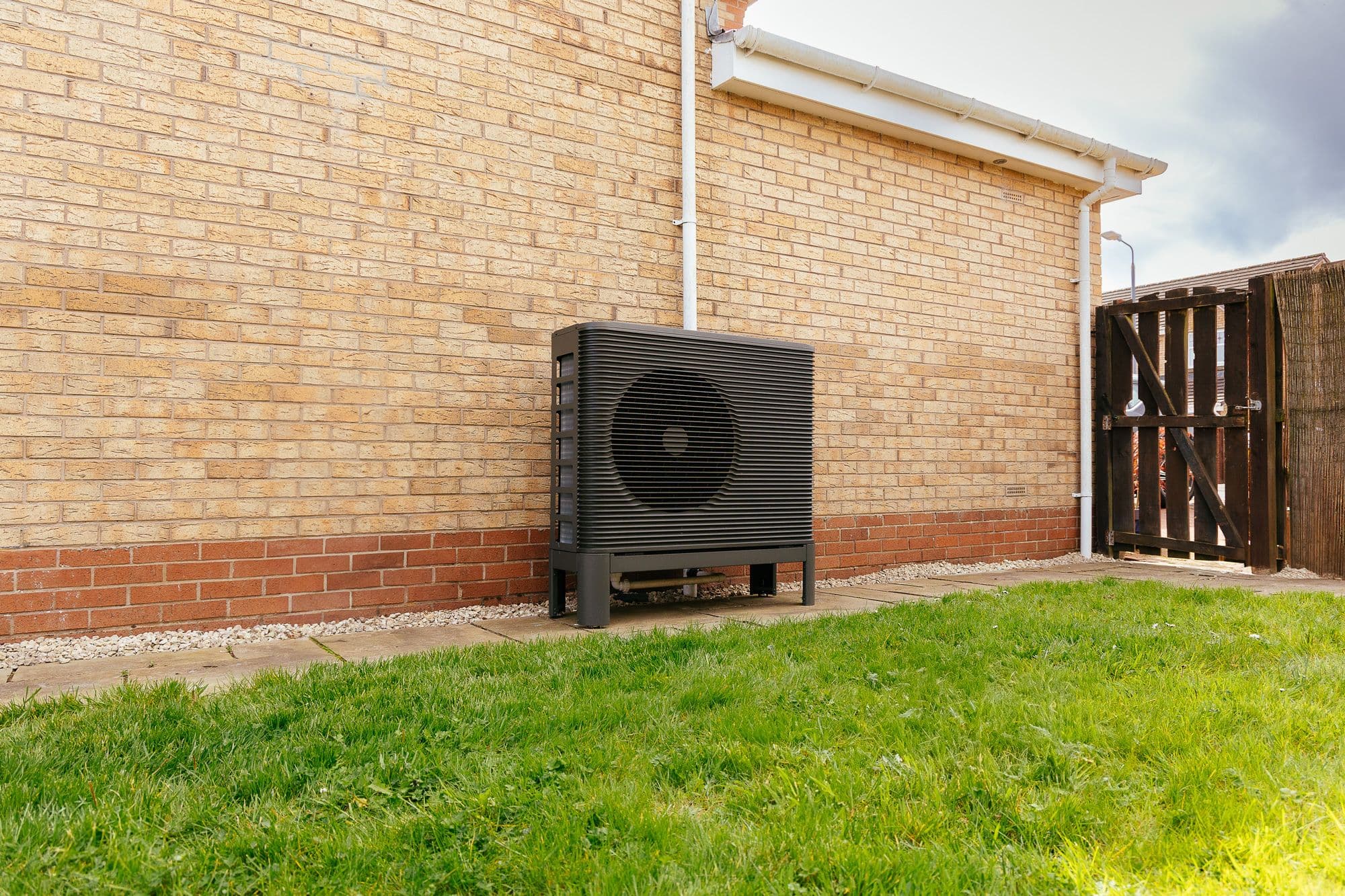
If you own a single-family detached home, you’re already in a strong position to switch to a heat pump. With full control over your space, insulation and energy use, heat pumps can deliver lower bills, steadier comfort and lower emissions all year round. Here’s what to know about performance, costs and everyday life with a heat pump in a single-family detached home.
Costs & benefits
29 Jul 2024
How much does it cost to run an air source heat pump
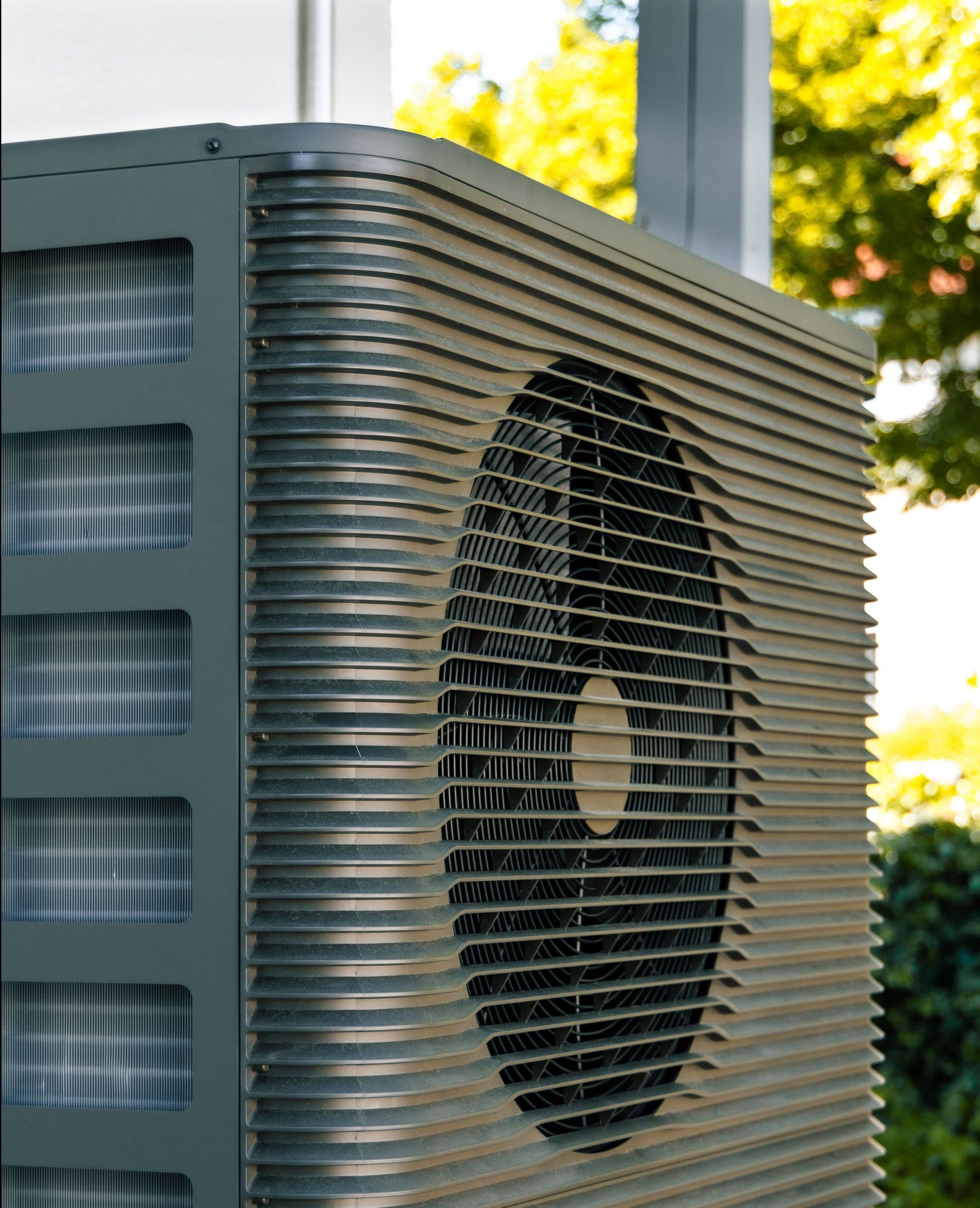
In this article, we'll explore the factors that sway the running costs of an air source heat pump, including the heat demand of your property, the efficiency of the pump itself, the insulation level of your home, and the type and size of the pump you choose.