2 December 2025
7 min read
Do heat pumps work in older homes?

Published on
2 December 2025
Time to read
7 minutes
Key takeaways
- Older homes are heat pump ready: With reasonable insulation, correctly sized radiators, and a properly designed system, heat pumps can work efficiently in most existing UK homes
- £7,500 government grant available: Eligible homes can benefit from £7,500 off installation through the Boiler Upgrade Scheme.
- Save money and cut emissions: Heat pumps are up to 4X more efficient than a gas boiler, helping you save up to £490 a year and reduce your home’s carbon footprint by up to 100% when using green electricity.
Let’s get straight to the point: Yes. Heat pumps work in older homes – and more often than you’d think.
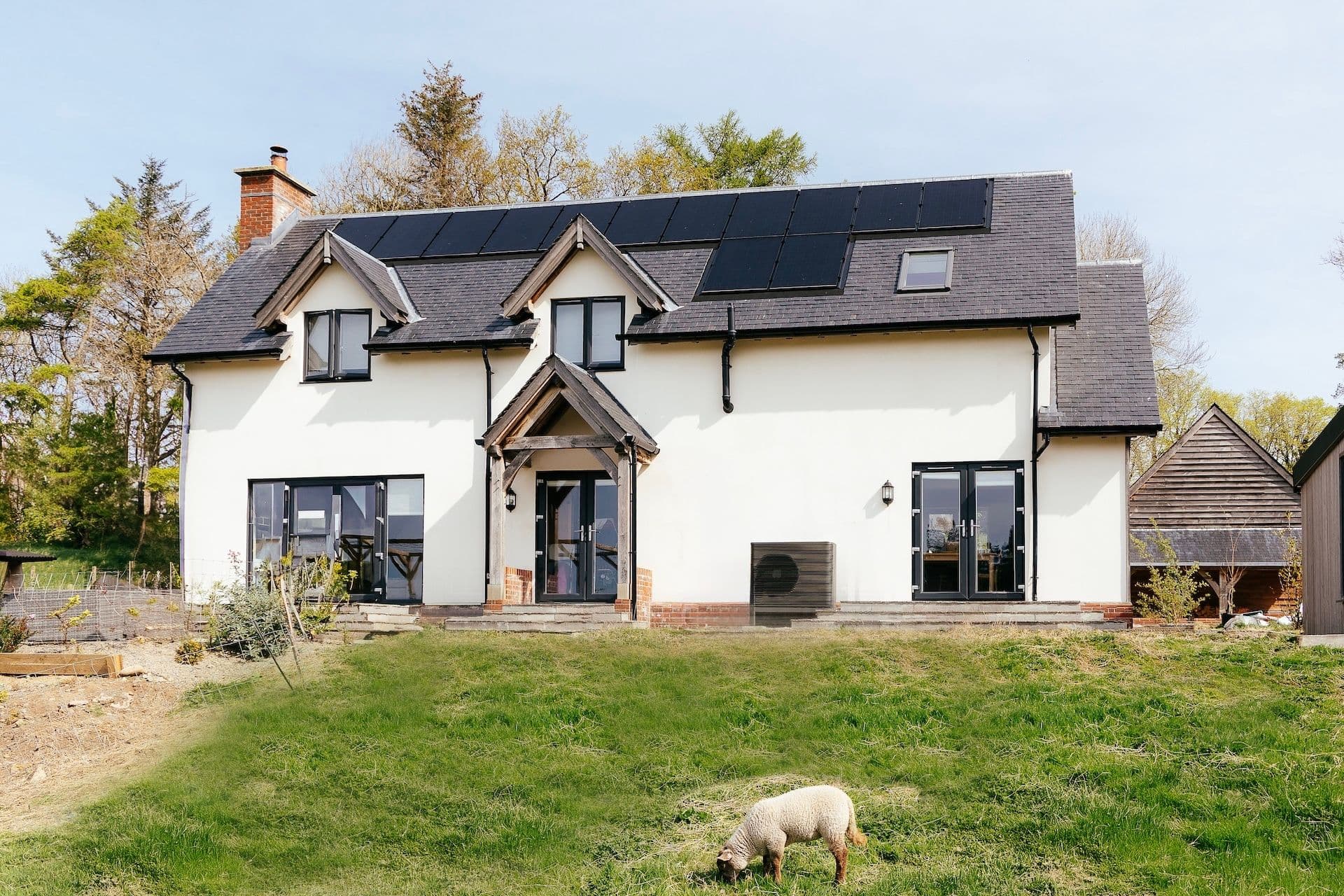
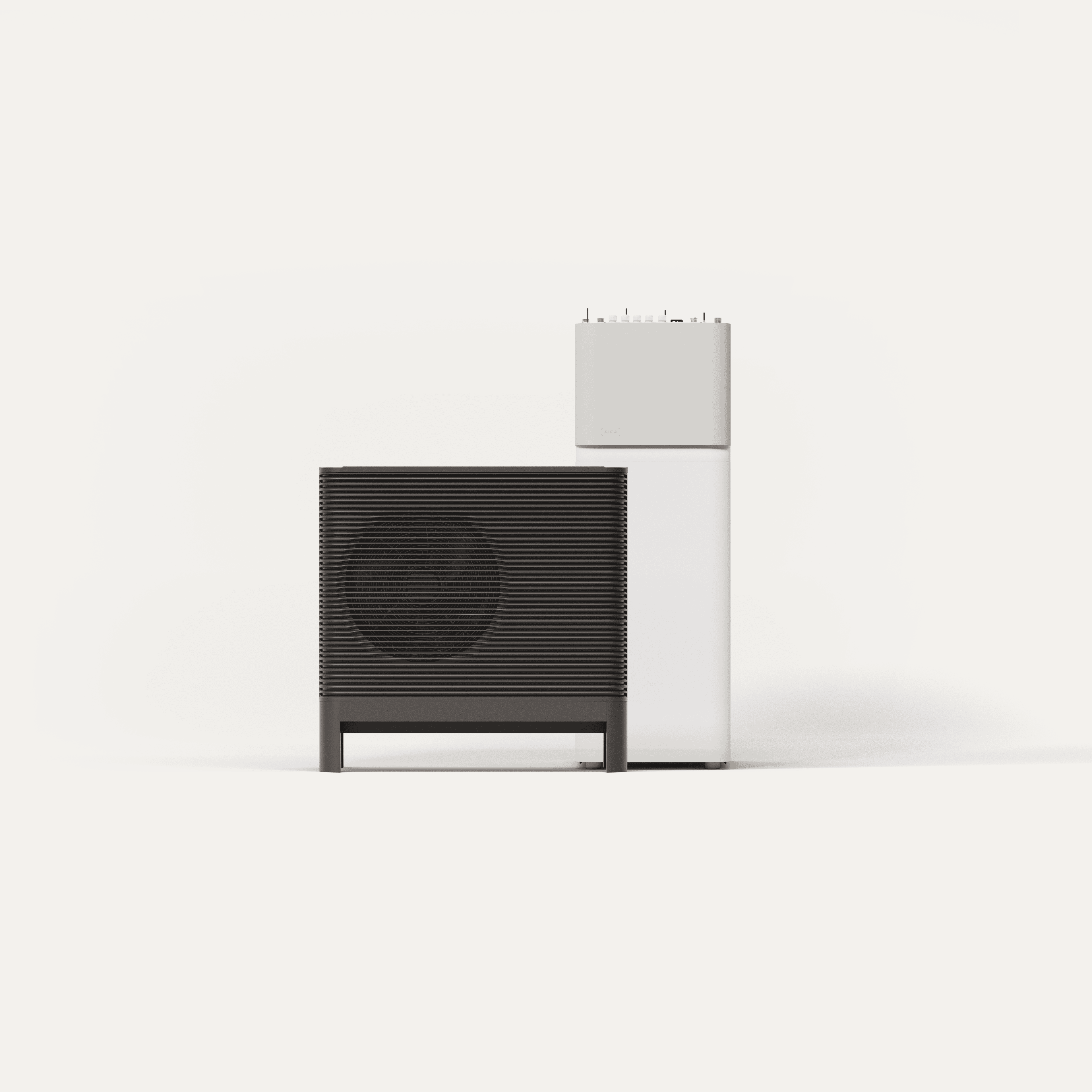
Heat pumps have become the go-to choice in newbuilds. But that doesn’t mean they only work in brand-new, perfectly insulated homes. Today’s heat pumps (like the intelligent Aira Heat Pump) are advanced, adaptable and designed to perform in the homes we already live in — including Victorian terraces, 1930s semis and post-war properties.
With the right planning, the right system design and the right installer, a heat pump can heat an older home efficiently, comfortably and affordably. In fact, many existing homes are far more “heat pump ready” than people assume.
Here’s what you need to know.

Talk to a Clean Energy Expert
Why heat pumps work in older homes
We can’t speak for every heat pump out there, but Aira Heat Pumps are built to deliver high efficiency in real-world British homes – the draughty ones, the quirky ones, the ones with mixed radiators and unpredictable insulation. All of them.
They’re 4X more efficient than a gas boiler (a promise backed by the Aira Guarantee). So the electricity they use turns into far more usable heat. This means lower running costs and 100% less carbon emissions when using green electricity. Even without perfect insulation.
An older home is suitable when:
- The insulation is reasonable (loft insulation alone often does the job)
- Radiators are appropriately sized (sometimes one or two need upgrading)
- Flow temperatures can stay low enough for efficient operation
- The system is properly designed and balanced
This is exactly what Aira’s Clean Energy Experts assess during your free home energy assessment. So you don’t need to work any of this out yourself. You can find out for free.
The biggest myths about heat pumps in older homes
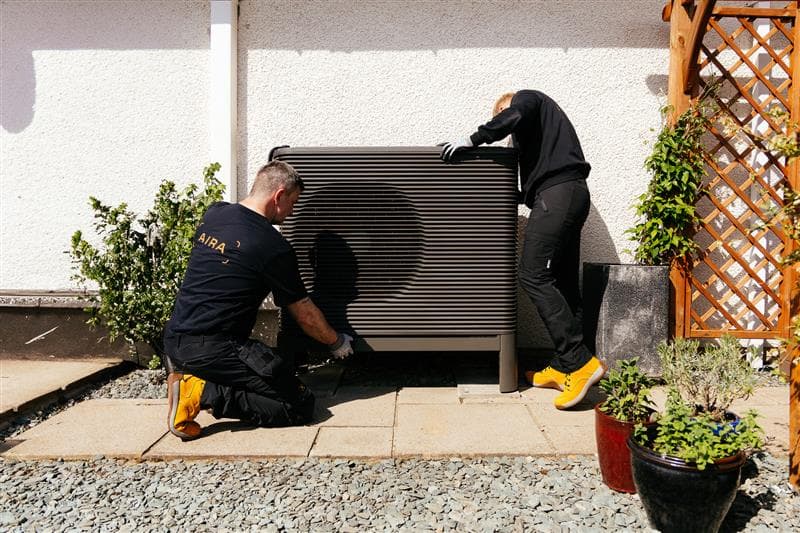
There’s a lot of confusion around heat pumps in existing buildings. So let’s clear up the most common misconceptions.
Myth 1: “Heat pumps don’t work in cold UK winters.”
They do. Modern systems – including Aira’s – are designed to operate efficiently well below freezing. Don’t believe us? Just ask Sweden (where we’re from), where heat pumps are the norm. As are sub-zero temperatures.
Myth 2: “You need underfloor heating.”
Underfloor heating works well with heat pumps (really well), but it’s not required. Most UK homes with appropriately-sized radiators can use a heat pump. Usually, only one or two radiators need replacing.
Myth 3: “Older homes need to be completely insulated first.”
Insulation helps any home stay warm, whether it’s heated by a gas boiler or a heat pump. But you don’t need a deep retrofit to install a heat pump. Many older homes already meet the required standards with simple measures like loft insulation. We’ll assess all of this at your free home energy assessment.
Myth 4: “Heat pumps are too expensive.”
Heat pumps do typically cost more upfront than a gas boiler. But that’s exactly why the Boiler Upgrade Scheme gives eligible homes £7,500 towards installation. And because heat pumps cost less to run (we’ll get onto that next), you start earning that investment back from day one. Wnat to see how much your system might cost and how much you could save? Use our heat pump calculator.
Myth 5: “They cost more to run than a boiler.”
Incorrect. With a proper heat loss calculation and a quality installation, heat pumps are far more efficient. An Aira Heat Pump, for example, is 4X more efficient, which means it can save you up to £490 a year compared to a gas boiler.
Heat pumps aren’t just for newbuilds. They’re for the UK homes people actually live in right now.
When is a heat pump suitable for an older property?
Aira applies the same principles to every home. Whether it was built in 1925 or 2025.
Here’s what matters:
1. Insulation level
Good loft insulation goes a long way. Cavity wall insulation and double glazing help, but they’re not mandatory. We’ll do a thorough heat loss calculation of your home, so we’ll let you know exactly what your home needs before you commit to installation and purchase.
2. Flow temperature
Heat pumps run on lower flow temperatures than gas boilers (it’s one of the key reasons they’re so efficient). We make sure your system is set up to handle these lower water temperatures throughout your home.
3. Radiator sizing
Because lower flow temperatures require more heat surface to keep rooms cosy, larger radiators help maximise efficiency. If any rooms are under-radiated, we’ll recommend the right upgrades so your heat pump can deliver comfort and savings in every corner of your home.
4. A well-designed system
Balancing, correct sizing and proper commissioning are all essential for efficiency. That’s why we handle all of this in-house and only use Aira Academy-trained installers and technicians to conduct your design and installation.
Once your home and heat pump system meet these principles, it’ll reduce your energy bills and your home heating CO₂ emissions, all while keeping your home cosy. Even on the coldest day of the year.
The benefits of installing a heat pump in an older home
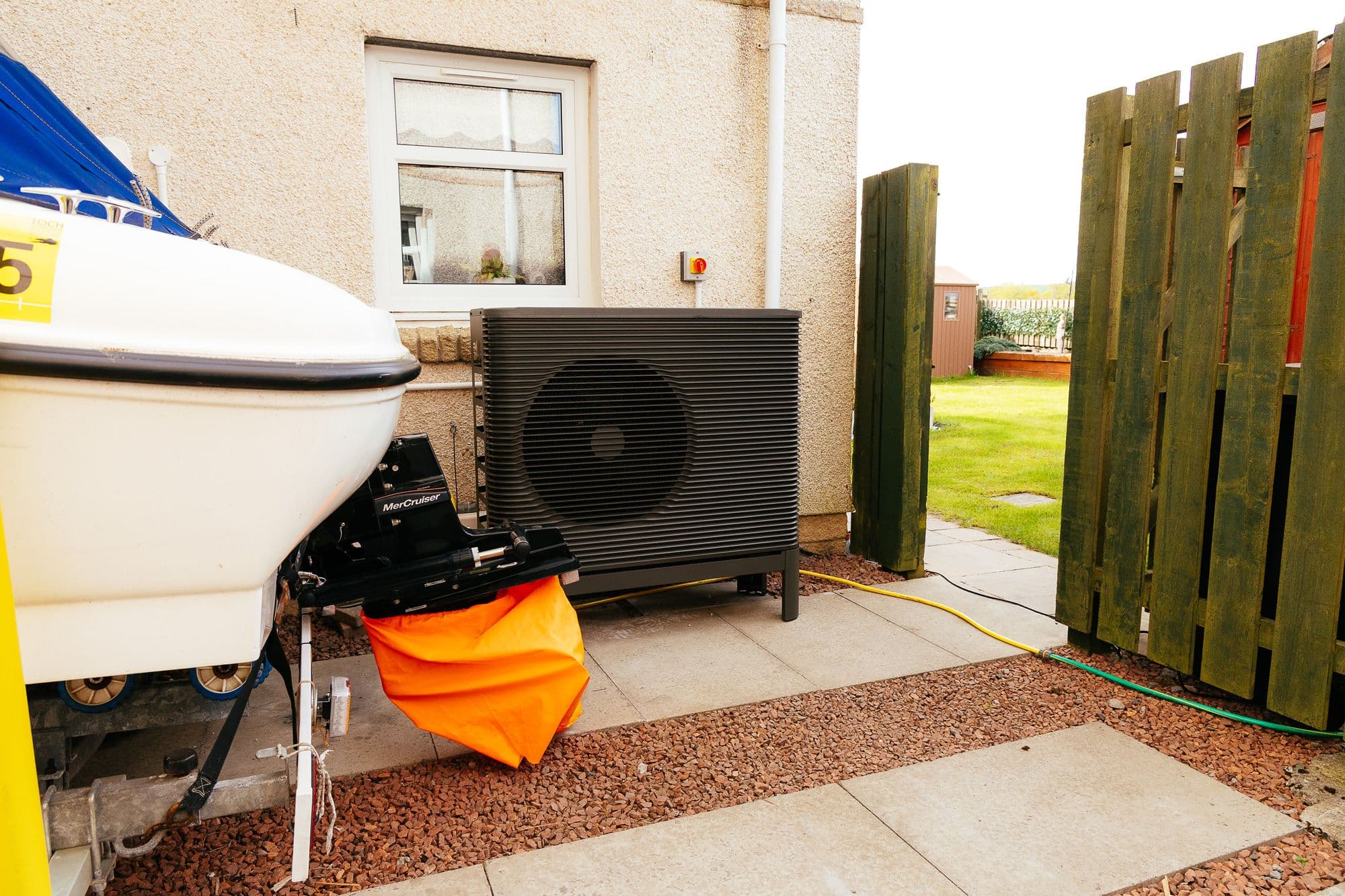
So, we’ve established that heat pumps aren’t just for new builds – they can work efficiently in most older homes too. That means you can enjoy all the same benefits, including:
1. Save money on heating
Aira Heat Pumps can save you up to £490 a year compared to a gas boiler. See how much you could save with our heat pump calculator.
2. Lower your carbon emissions
A heat pump cuts your heating CO2 emissions by up to 75% – and by 100% when combined with a green electricity tariff.
3. Protection from rising energy prices
By switching to a heat pump, you’re future-proofing your home and your bills, staying one step ahead as the UK moves away from gas and toward an electrified grid.
4. Increase your property value
According to a report published by Scottish Power and WWF, “Better homes, cooler planet: how low-carbon technologies can reduce bills and increase house value”, installing a heat pump can increase the value of your home by up to £8,000. See the full report here.
What about the installation costs of a heat pump in an older home?
Thanks to the Boiler Upgrade Scheme (BUS), eligible homes can get £7,500 off their installation – cutting upfront costs significantly. Plus, many major banks offer up to £2,000 cashback when you switch.
The price of your heat pump depends on a variety of things, such as the size of your home and how many people live in it. A typical Aira Heat Pump system costs around £7,500 after the government grant. This price includes:
- Free home energy assessment
- Thorough heat loss calculation
- Design and installation
- Free removal of old boiler
- Financing options available and zero to pay upfront
- The Aira all-inclusive plan (which includes the 15-Year Aira Guarantee) free for the first year.
Aira also handles the entire BUS application for you, so there’s no paperwork or hassle.
Why choose an Aira Heat Pump for an older home?
Aira was created to help Europe move off gas and make clean energy tech accessible for every home. And that meant building an Aira Heat Pump system that works in real homes, not theoretical ones.
Here’s what sets it apart:
1. AI-powered technology
With Aira Intelligence, your system intuitively learns and adapts to your home’s characteristics, your routines and even the weather to heat your home and water with optimal efficiency.
2. A+++ energy rated
The Aira Heat Pump is efficient. Very efficient. That’s why it’s been awarded the industry's highest possible energy class rating (A+++).
3. Quiet operation (46-51 dB)
The Aira Heat Pump is designed to blend right in. At just 46-51 decibels (average noise level of an Aira Heat Pump 6kW Outdoor Unit, measured from a distance of 3 metres), it’s a noise that fades into the background. So you can forget it’s even there.
4. Industry-leading SCOP (4.7)
There’s an efficiency rating called SCOP (Seasonal Coefficient of Performance). A typical boiler? 0.9. An average heat pump? 3.5. The Aira Heat Pump? An impressive 4.7.
5. Uses natural R290 refrigerant
Unlike other heat pumps, ours uses R290 refrigerant. It’s natural, efficient, non-toxic and free of ozone-depleting properties.
6. Comes with an all-inclusive plan and 15-Year Aira Guarantee
Free for the first year, and just £19.90 a month thereafter, the Aira Heat Pump is covered by our all-inclusive plan and 15-Year Aira Guarantee. This ensures your home stays 18˚C–22˚C even on the coldest day of the year, delivers at least 4X the efficiency of a gas boiler, and includes all necessary parts, labour, and maintenance.
7. Designed to work with Aira Power
Combine the Aira Heat Pump with Aira Power (solar, Power Store, and Power Hub) to create the Aira Home Energy System. One complete, AI-powered home energy ecosystem — designed to maximise efficiency and cut your energy bills by up to 90%.
So… is a heat pump worth it in an older home
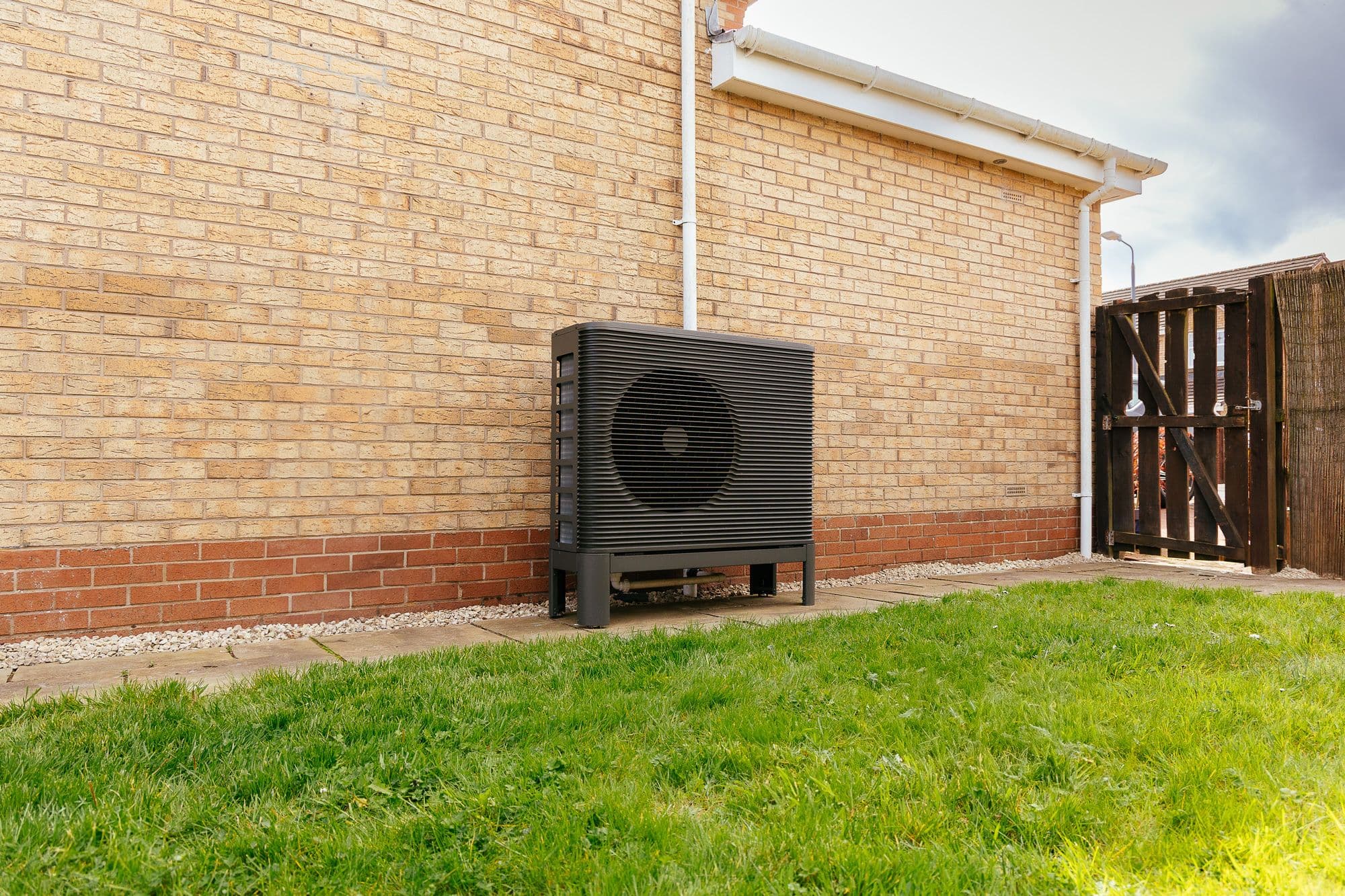
Absolutely. If it’s designed well, installed properly and controlled intelligently.
A heat pump can:
- Save you money
- Reduce your carbon emissions
- Cut your reliance on gas
- Increase your home’s future value
- Deliver the comfort you expect – even on the coldest day of the year
With Aira, you don’t need to assess your home yourself or guess how much a heat pump will cost. We’ll do that for you as part of a free, no-obligation home energy assessment.
Want to know if your older home is suitable?
Answer 4 quick questions about your home to get started.
What type of house do you live in?

Related articles
Costs & benefits
8 Sept 2025
Why install a heat pump when renovating your home?
Renovating is the perfect time to upgrade your heating. With walls open and systems being replaced, it’s easier and less disruptive to install an Aira Heat Pump. So when your build is done, your home is not only refreshed but future-proofed too.