24 January 2025
2 min read
What is the best refrigerant for a heat pump?

Published on
24 January 2025
Time to read
2 minutes
Key takeaways:
- Many different refrigerants are available for heat pumps, but the best are natural refrigerants
- The best refrigerants on the market have low Global Warming Potential (GWP) and no o-zone depleting properties
- Aira uses the sustainable and natural R290 refrigerant (propane) for its low GWP and standout efficiency
Heat pumps are an efficient way to heat your home. However, the refrigerant inside your heat pump significantly affects its performance and environmental impact. Refrigerants are the unsung heroes, enabling heat pumps to efficiently transfer heat by cycling through evaporation, compression, condensation, and expansion. Choosing a heat pump with the right refrigerant enhances its efficiency and reduces your carbon footprint.

Talk to a Clean Energy Expert
Understanding refrigerant types
Modern refrigerants aim to balance performance with environmental considerations. Key options include:
- R290 (Propane): A standout natural refrigerant with an ultra-low Global Warming Potential (GWP) of 3, zero ozone depletion potential, and excellent efficiency. These exceptional qualities are why Aira has chose R290 as the refrigerant for our heat pumps.
- R410A: A synthetic refrigerant with a GWP of 2,088, offering solid performance but a far greater environmental impact.
- R744 (CO₂): Known for its near-zero GWP (1), R744 performs exceptionally well in systems requiring large temperature differentials.
- R32: An HFC refrigerant with a moderate GWP of 675, offering higher efficiency than R410A and reduced climate impact.
Environmental considerations
Refrigerant leakage is a significant contributor to greenhouse gas emissions, highlighting the need for low-GWP alternatives. GWP measures how much heat a refrigerant traps in the atmosphere compared to carbon dioxide. Natural refrigerants like R290 and R744 are highly favoured due to their negligible GWP and zero ozone depletion potential. Regulatory bodies, such as the European Union, are phasing out refrigerants with GWPs above 150, accelerating the shift toward sustainable options.
Efficiency & performance
Natural refrigerants, particularly Aira’s choice R290, excel in energy efficiency and environmental sustainability. The Aira Heat Pump achieves a Seasonal Coefficient of Performance (SCOP) of 4.7 at 35°C. This means it produces 4.36 kWh of heat for every 1 kWh of electricity consumed, outshining traditional heating systems.
Conclusion
Heat pump refrigerants are crucial to achieving a sustainable, efficient heating system. By opting for low-GWP options like R290, homeowners can reduce energy bills, minimise environmental impact, and align with global efforts to combat climate change. With advancements in technology, heat pumps equipped with the right refrigerants deliver comfort and conscience-friendly heating solutions.
What type of house do you live in?

Related articles
Environmental impact & efficiency
24 Jan 2025
Are heat pumps energy efficient heaters?
Heat pumps are a highly efficient and eco-friendly heating and cooling solution, offering significant energy savings and a reduced carbon footprint. Unlike traditional systems that generate heat, heat pumps transfer it, achieving efficiency rates over 400%. This efficiency is amplified when powered by renewable energy sources, making heat pumps ideal for homeowners looking to reduce their environmental impact and save substantially on their energy bills.

Environmental impact & efficiency
27 Dec 2024
Can a heat pump improve my home’s efficiency?
As the cost of living rises and environmental concerns grow, improving home energy efficiency is more important than ever. Heat pumps offer an efficient solution for heating and cooling your home, helping lower both utility bills and carbon emissions. Unlike traditional heating systems that produce heat, heat pumps transfer existing heat, making them significantly more efficient.
Comparing options
9 Aug 2023
Types of heat pumps
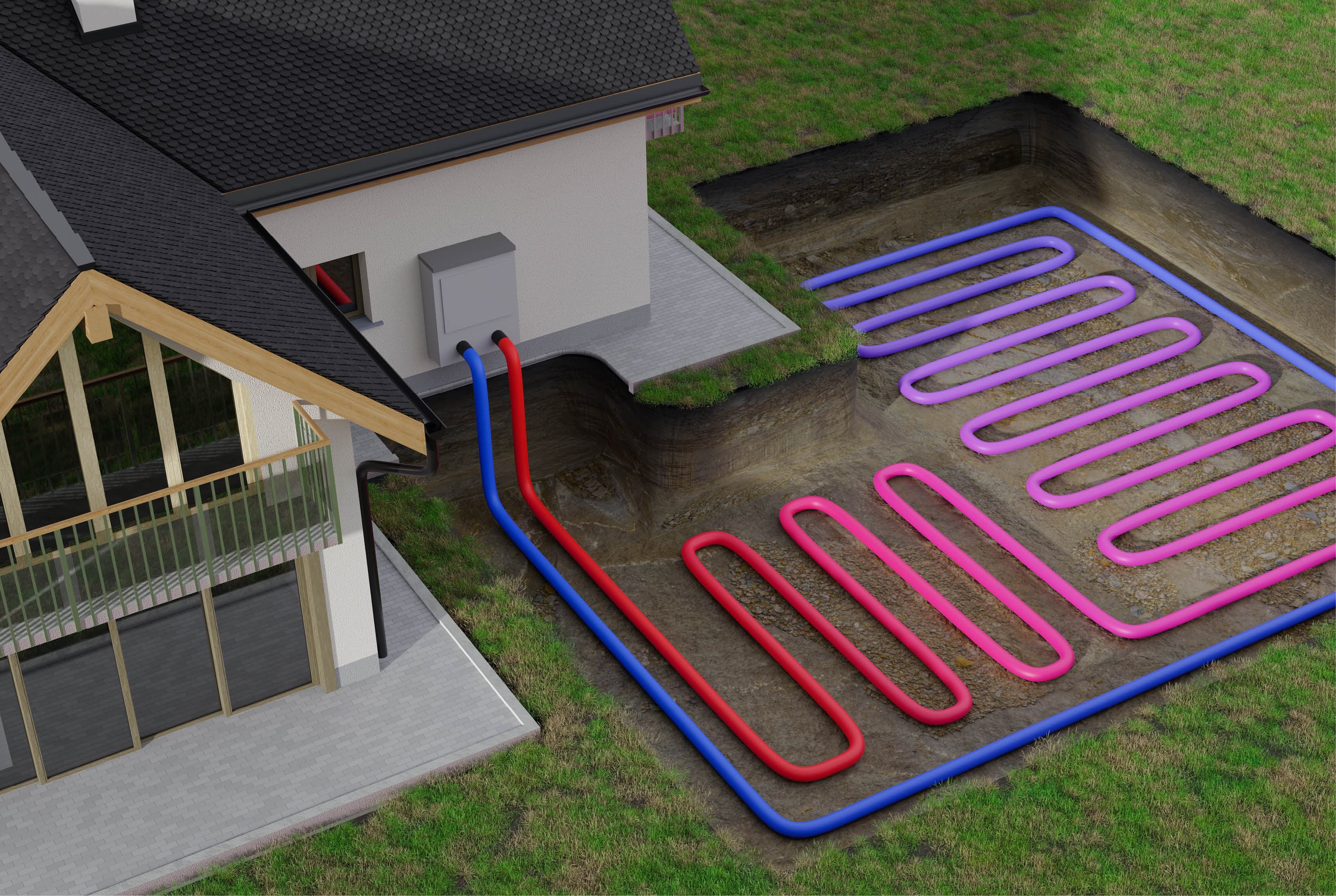
Switching to a heat pump can make some significant improvements to your home, from reduced energy bills to fewer carbon emissions produced. Heat pumps are the way forward when it comes to a greener home. If you’re thinking of making the switch but aren’t sure which type of heat pump will suit your home and needs best, keep reading as we’ll explore the most popular heat pump types and their benefits.

Performance & reliability
4 Aug 2023
When to replace a boiler?
If your boiler is nearing the end of its life or you’re looking for a greener, more cost efficient way to heat your home, you might want to think twice before replacing it with another. Find out about other heating solutions.