28 May 2025
3 min read
Planning permission just got easier for heat pumps. What does it mean for you?

Published on
28 May 2025
Time to read
3 minutes
Key takeaways
- From 29 May 2025, as part of the Warm Homes Plan agenda, heat pump planning permission barriers like the 1-metre boundary rule will be removed.
- Homeowners no longer need to wait up to 6 months for planning permission, clearing the way for faster, easier heat pump installations.
- Homeowners will continue to receive up to £7,500 towards a heat pump installation, with increased funding for the Boiler Upgrade Scheme.
Ditching your old boiler for a heat pump is already a big decision. And for some households, outdated planning permission rules have made it even harder.
These rules have sometimes slowed things down or even discouraged people from switching to cleaner, more affordable heating. In fact, according to our data, 30–40% of homeowners needed planning permission to install a heat pump, often waiting up to 6 months for approval. All while being able to build a 3x3m extension or add a jacuzzi without any permission at all.
But for thousands of households looking to switch in 2025, those long, unnecessary waits could soon be a thing of the past. Changes to the 1m boundary rule and size limits mean a smoother, faster switch for homes across England.

Talk to a Clean Energy Expert
What is the Warm Homes Plan?
Before we dive into the key details, here’s some quick context. The Warm Homes Plan is a major government initiative designed to help more people enjoy energy-efficient, lower-cost homes. Backed by £3.4 billion of funding over three years (2025–28), it’s designed to make clean energy upgrades, like heat pumps, more accessible than ever.
Set to launch later this year, the plan targets 5 million homes, focusing on low-income households and those with EPC ratings between D and G. The goal? To lift more people out of fuel poverty and move the UK closer to its net zero targets.
What are the changes to planning permission in the Warm Homes Plan?
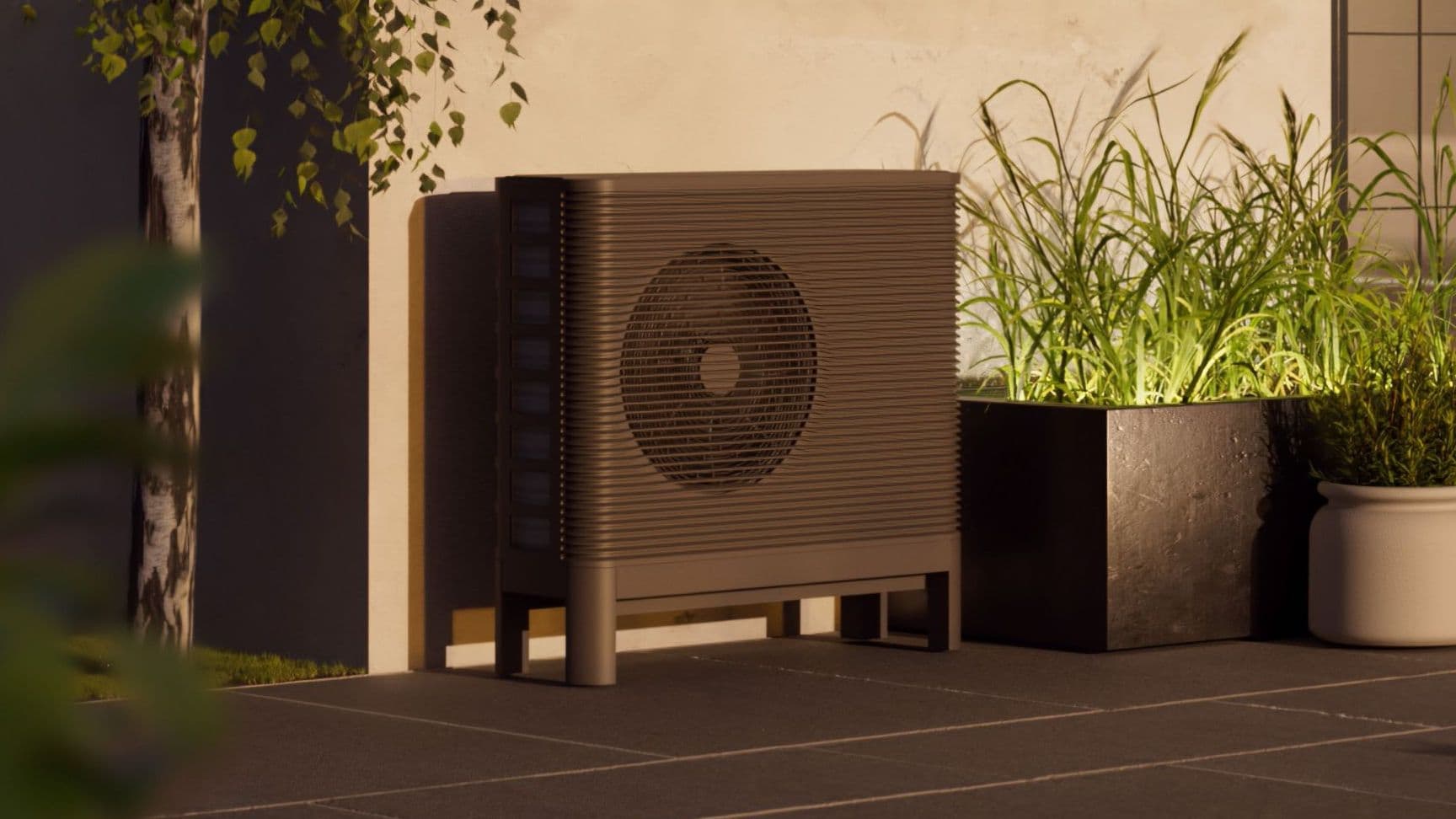
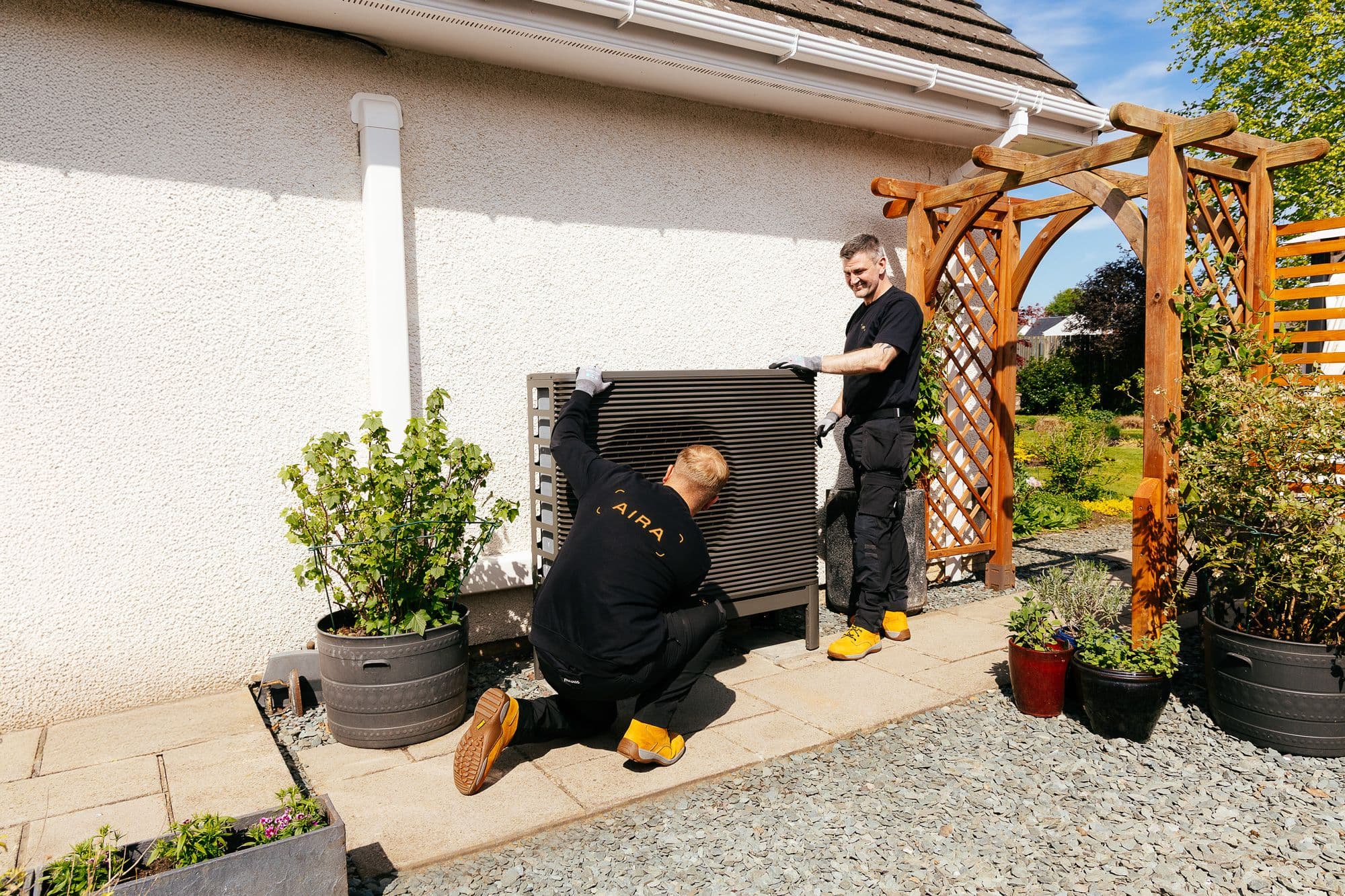
Changes to planning permission for air source heat pumps (like the Aira Heat Pump) were announced in November 2024 and come into effect from 29 May 2025. These updates aim to remove barriers that have previously discouraged many from switching.
Here’s what’s changing:
- Removal of the 1-metre boundary rule: Homeowners in England will no longer need to ensure their heat pump is placed at least one metre from the property boundary.
- Increased size limits: The maximum allowable size for heat pumps under permitted development will increase from 0.6m³ to 1.5m³. For context, our most powerful heat pump, the 12kW model, measures approximately 0.75m³ (1.152m wide, 1.503m high, and 0.416m deep).
- Multiple installations allowed: Detached homes will be permitted to install up to two heat pumps instead of just one.
- Support for cooling systems: The changes include provisions for air-to-air heat pumps, which can provide both cooling and heating.
These updates, effective from May 29, 2025, will amend existing permitted development rights while continuing to require compliance with the Microgeneration Certification Scheme (MCS) Planning Standards.
This means that, in most cases, you’ll be able to install our 6kW, 8kW, and 12kW Aira Heat Pumps without needing to apply for planning permission.
If you're considering making the switch to a heat pump, now is an excellent time to start planning. With these upcoming changes, the process will be more straightforward, and you can take advantage of the Boiler Upgrade Scheme, which offers grants of up to £7,500 towards the cost of installation.
For advice tailored to your location and property, consult your local council’s planning office or contact one of our Clean Energy Consultants.
Ready to upgrade to a heat pump?
What type of house do you live in?

Related articles

Costs & benefits
27 Jan 2026
The Warm Homes Plan: what it really means for your energy bills
The UK’s new Warm Homes Plan confirms one thing: the future of cheaper energy is clean, electric homes. Here’s what the plan really means for homeowners. And how heat pumps, solar and home batteries can cut your bills long before 2030.