
12 March 2026
6 min read
How to protect your home from rising energy costs

Updated on
12 March 2026
Time to read
6 minutes
If you've opened an energy bill recently and felt a knot in your stomach, you're not alone.
Millions of UK households are in the same position. Prices that felt manageable a few years ago have been replaced by a new normal that feels anything but. And with energy price cap predictions dominating the headlines every quarter, it's easy to feel like you're just waiting for the next hit.
Here's the thing, though: you're not powerless.
You can't control what happens in global energy markets. But you can control how exposed your home is to them. This guide walks through exactly how – starting with the change that makes the biggest difference.

Talk to a Clean Energy Expert
Why UK energy bills keep rising
To protect yourself from something, it helps to understand what's actually driving it.
UK gas prices don't just respond to what's happening here. They're tied to a global market. And that market has been anything but stable over the past few years.
The UK has a gas import problem
The UK once produced most of its own gas. That's no longer the case. As North Sea reserves have declined, the UK has become increasingly reliant on imported gas, from pipelines and liquefied natural gas (LNG) shipped from overseas. That means our prices are shaped by global supply and demand, not just domestic conditions.
The data backs this up
Between 2020 and 2022, UK wholesale gas prices increased by more than 400%. They fell back from their peak but remain significantly higher than pre-2021 levels. The energy price cap — introduced to protect consumers — has adjusted repeatedly in response. It's a buffer, not a ceiling.Source: Trading Economics – UK Natural Gas prices 3/3/2026
How does the energy price cap come into this?
The energy price cap limits the unit rate and standing charge that energy suppliers can charge. It's reviewed quarterly by Ofgem based on wholesale market costs. When wholesale prices rise, the cap rises with them. It protects against the very worst spikes, but it doesn't eliminate volatility – and it doesn't guarantee your bill stays the same.
For households trying to make sense of energy price cap predictions, the honest reality is this: forecasts are educated guesses. The market is genuinely hard to predict. Which is exactly why reducing your exposure matters more than predicting the next move.
The best protection against rising energy costs? Switching to a heat pump
If you want to meaningfully protect your home from rising energy costs, switching from a gas boiler to a heat pump most impactful change you can make.
A heat pump doesn't burn gas. It uses electricity to extract heat from the outside air and deliver it into your home – at three to four times the efficiency of a traditional gas boiler.
That shift from a gas boiler to a heat pump matters for one simple reason: you stop being a customer of the global gas market.
Electricity prices can fluctuate too, but they’re not solely tied to gas. Gas prices are set on global markets and can spike due to international supply shocks or geopolitical events. Electricity, on the other hand, is increasingly generated here in the UK from wind and solar – energy sources that have no fuel cost once built.
That matters. Because while gas must be bought and burned every day, wind and solar generate power without ongoing fuel exposure. As more renewables come online and the grid continues to decarbonise, electricity becomes less dependent on volatile fossil fuel markets.
Over time, that shift helps make electric heating more predictable and less exposed to the kind of price shocks gas customers have experienced in recent years.
Let’s take a look at the numbers…
Heat pump vs. gas boiler: The running costs in 2026
Gas Boiler | Air Source Heat Pump | |
| Typical annual fuel cost | £1,400–£1,800 | £850–£1,250* |
| Heating performance | ~85% | ~400% |
| Fuel price exposure | High (global gas markets) | Lower (increasingly renewable grid) |
| Carbon emissions | High | Low - up to 100% less CO₂ |
| Lifespan | 10–15 years | 20–25 years |
*Based on a well-insulated 3-bed semi with a correctly sized heat pump and a smart tariff. Results vary by property.
Potential annual saving vs. gas boiler: up to £550 per year, according to Nesta's 2024 heat pump field trial.
What does it cost to switch to a heat pump?
The upfront cost of replacing a gas boiler with a heat pump is typically £10,000–£15,000, depending on property size and system.
However, the Boiler Upgrade Scheme (BUS) currently offers a £7,500 grant toward the cost of an air source heat pump. And VAT on installations is currently 0%. Net of this subsidy, the effective cost to most households is £2,500–£7,500.
With the grant applied, most households see a payback period of 5–10 years – well within the 20–25 year lifespan of a heat pump. After that, the running cost savings are pure financial benefit.
Find out how much a heat pump could save your home
What about solar and battery?
When paired with solar panels and battery storage, the impact goes further. You generate your own electricity, reduce what you draw from the grid, and can power your heat pump with energy you've produced yourself. And with a home battery, you can store energy for use when energy prices peak – like in the evening.
It doesn't have to happen all at once. Many households start with a heat pump, then add solar and battery storage later as a second step.
Is now the right time to switch to a heat pump?
A question we hear often: "Should I wait to see if prices come down or grants improve?"
It's a fair question. Here's how to think about it.
- Grants are available now – but not indefinitely: The Boiler Upgrade Scheme has a fixed government budget. When that runs out, the grant may not be renewed at the same level. Waiting could mean a higher net cost.
- Volatility is the new normal: Gas prices have been elevated and unpredictable for several years. There's no strong structural reason to expect sustained, significant falls. Every year you remain on gas is another year of exposure to a market that's proven it can move sharply.
- Will gas boilers be banned?: Not immediately, and not retroactively. Existing boilers won't be forcibly removed. But the policy direction is clear: new gas boiler installations in new builds are already restricted, and the regulatory environment for gas heating is expected to tighten. The long-term economic case for gas is likely to weaken, not strengthen.
A phased approach works too. In other words, you don't have to do everything at once:
- Start with a heat pump – the biggest single shift away from fossil fuel dependency
- Add solar panels once your heat pump is up and running
- Add battery storage to maximise self-consumption and reduce grid reliance even more
Each step reduces your exposure. And you don't need to commit to all three from day one.
While you're waiting to switch, these small steps can help
Not quite ready to make the move to a heat pump? There are things you can do now that lower your bills and reduce your exposure. And make any future upgrade to a heat pump more effective, too.
1. Reduce how much energy you use by increasing your home’s efficiency
- Loft and cavity wall insulation can cut heat loss by up to 25%
- Draught-proofing doors and windows is low-cost and immediately effective too
- Smart thermostats typically save £100–£150 per year by learning your routine and heating only when needed
2. Make sure you're on the right tariff
- If you have a smart meter, time-of-use tariffs like Octopus Agile offer cheaper electricity during off-peak hours (these tariffs are particularly effective for heat pump owners)
- Fixed tariffs can offer predictability when prices are expected to rise
- Switching tariff costs nothing and can make an immediate difference
These steps help lower your baseline, so when you do switch to a heat pump, the savings go even further.
Take control of your energy future
Energy markets will keep moving. That's not going to change.
But the households that feel most secure aren't the ones who predicted prices correctly; they're the ones who reduced how much those prices matter to them.
Switching to a heat pump is the single most effective step most UK homes can take to break free from gas market volatility. Pair it with solar and battery storage, and you're building a home that generates and manages its own energy.
You can't control the global gas market. But you can decide how exposed your home is to it.

Related articles

Costs & benefits
24 Sept 2026
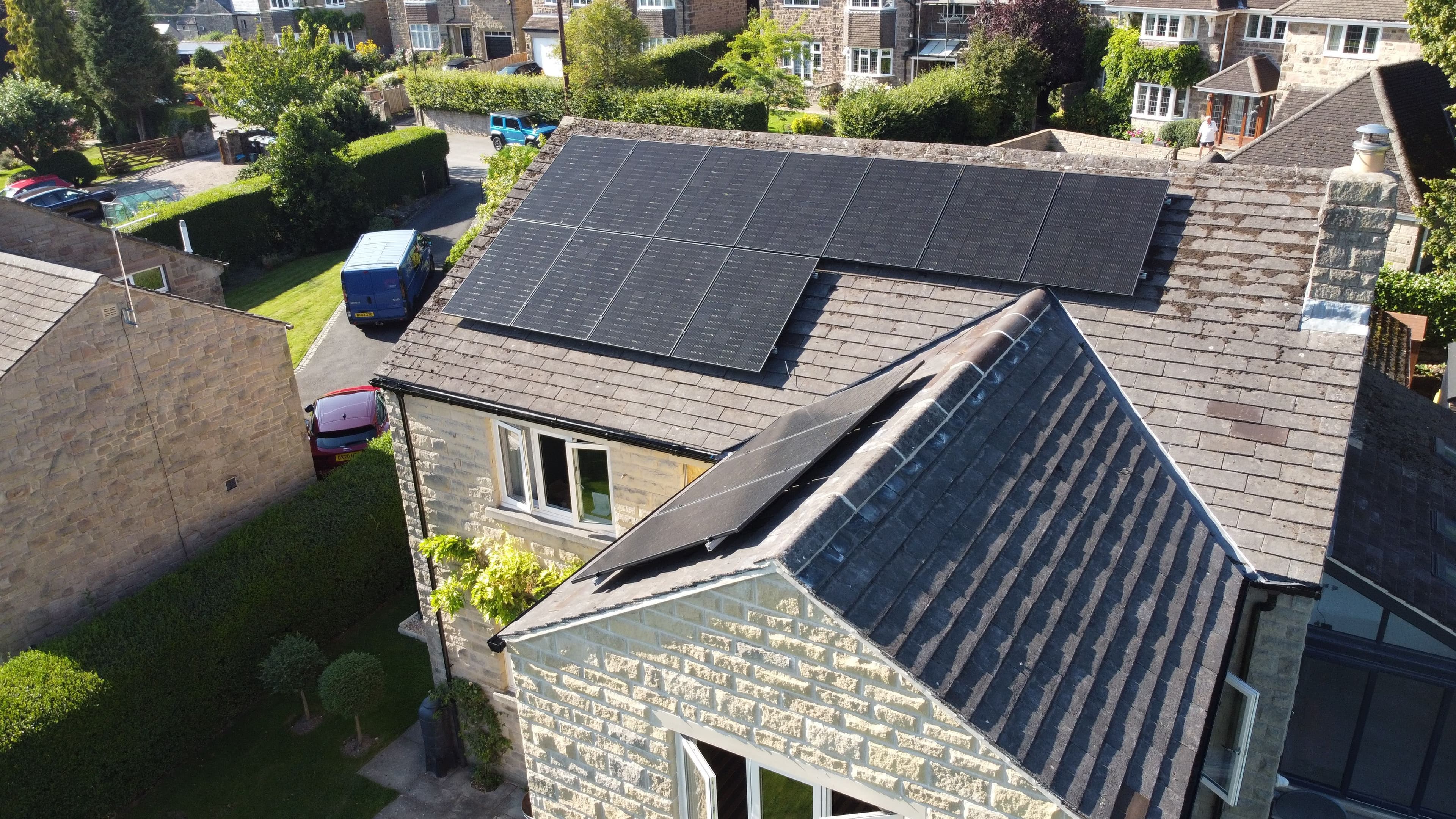
Europe’s energy independence starts at home
Europe’s reliance on imported fossil fuels leaves countries – and household energy bills – exposed to events beyond their control. See how a heat pump, solar panels and home battery can work together to lower costs and bring greater energy independence home.
Solar & battery
30 Apr 2026
Solar panel grants and incentives in 2026
Solar panel grants in 2026 are more limited than many expect, but there are still ways to reduce costs and maximise savings. From 0% VAT to Smart Export Guarantee payments, here’s what’s actually available and how solar, battery storage and heat pumps work together to lower your energy bills.
Costs & benefits
21 Apr 2026
Why are electricity prices linked to gas – and what’s changing in the UK?
Why do electricity prices rise when gas prices spike? This guide explains how the system works, what’s changing, and what it means for your energy bills.
Performance & reliability
14 Apr 2026
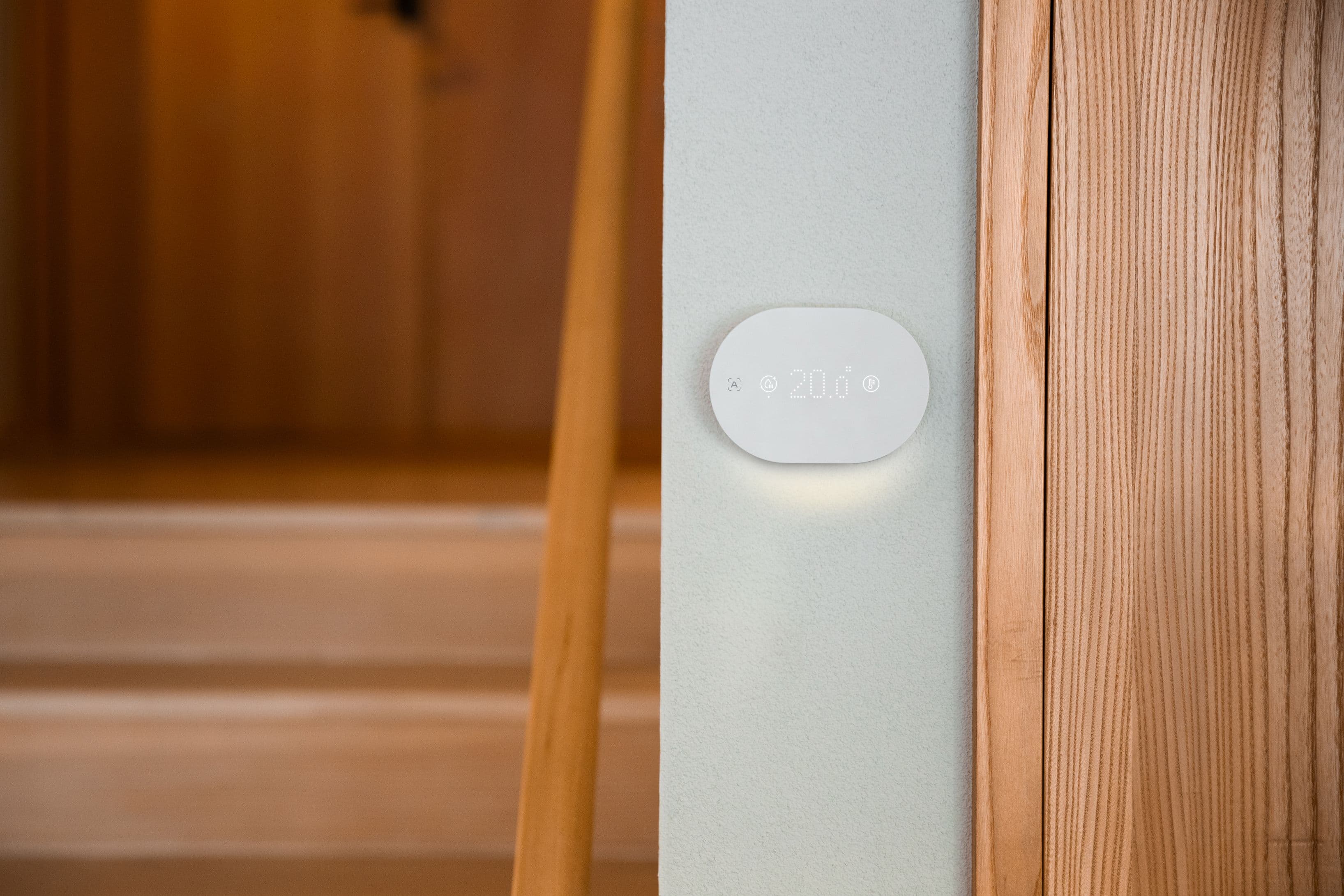
Heat pump settings that reduce your bill
Small changes to your heat pump settings can make a big difference to your running costs. Here’s how to set your heat pump up for better efficiency, lower bills and year-round comfort.

Costs & benefits
26 Mar 2026
What is a home energy ecosystem – and how does it work?
A home energy ecosystem connects solar panels, a home battery and a heat pump so they work together as one intelligent system. Instead of relying on the grid for everything, your home can generate, store and use its own energy – cutting energy bills and giving you more control over how your home is powered.

Costs & benefits
27 Jan 2026
The Warm Homes Plan: what it really means for your energy bills
The UK’s new Warm Homes Plan confirms one thing: the future of cheaper energy is clean, electric homes. Here’s what the plan really means for homeowners. And how heat pumps, solar and home batteries can cut your bills long before 2030.

Heat pumps: The basics
2 Dec 2025
Do heat pumps work in older homes?
Thinking heat pumps are just for new builds? Think again. Many older homes can run a heat pump efficiently and affordably – cutting energy bills, reducing carbon emissions, and future-proofing your home. Just as a heat pump in a newbuild home would.

Heat pumps: The basics
29 Apr 2025
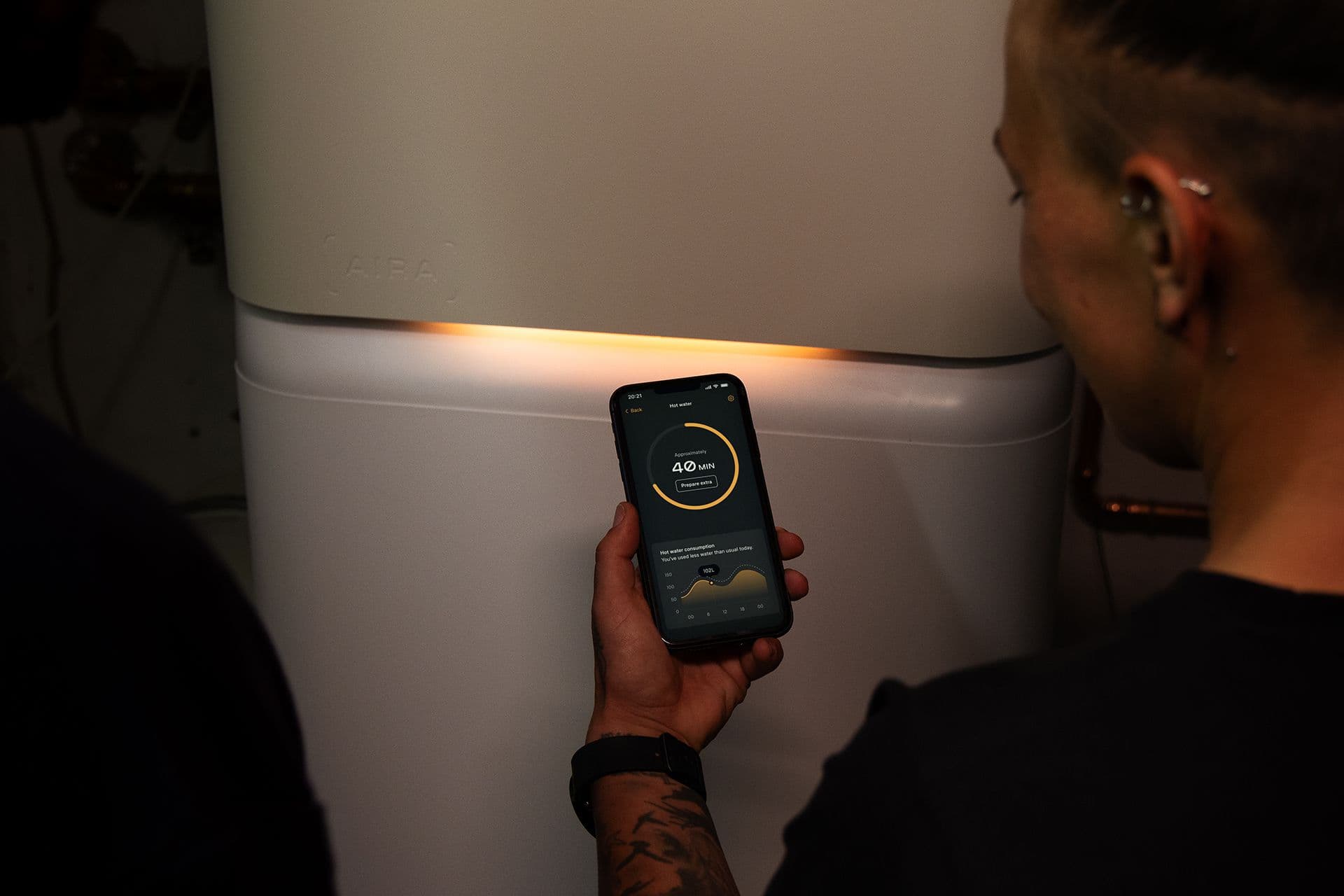
What actually happens during an Aira Heat Pump install?
Choosing to ditch your old boiler for an Aira Heat Pump is a big step. One that can lower both your carbon emissions and your energy bills. But what actually happens when you take the leap and say “yes” to Aira? Let’s walk through it.
Environmental impact & efficiency
24 Jan 2025
Are heat pumps energy efficient heaters?
Heat pumps are a highly efficient and eco-friendly heating and cooling solution, offering significant energy savings and a reduced carbon footprint. Unlike traditional systems that generate heat, heat pumps transfer it, achieving efficiency rates over 400%. This efficiency is amplified when powered by renewable energy sources, making heat pumps ideal for homeowners looking to reduce their environmental impact and save substantially on their energy bills.
Comparing options
9 Aug 2023
Types of heat pumps
Switching to a heat pump can make some significant improvements to your home, from reduced energy bills to fewer carbon emissions produced. Heat pumps are the way forward when it comes to a greener home. If you’re thinking of making the switch but aren’t sure which type of heat pump will suit your home and needs best, keep reading as we’ll explore the most popular heat pump types and their benefits.