23 October 2024
3 min read
Do heat pumps consume a lot of power?

Published on
23 October 2024
Time to read
3 minutes
Key takeaways:
- Heat pumps are up to 4x more efficient than traditional systems
- In very cold weather they may consume more energy, but are still more efficient than gas boilers
- Smart thermostats and proper insulation both help a heat pump function more efficiently and consume less energy
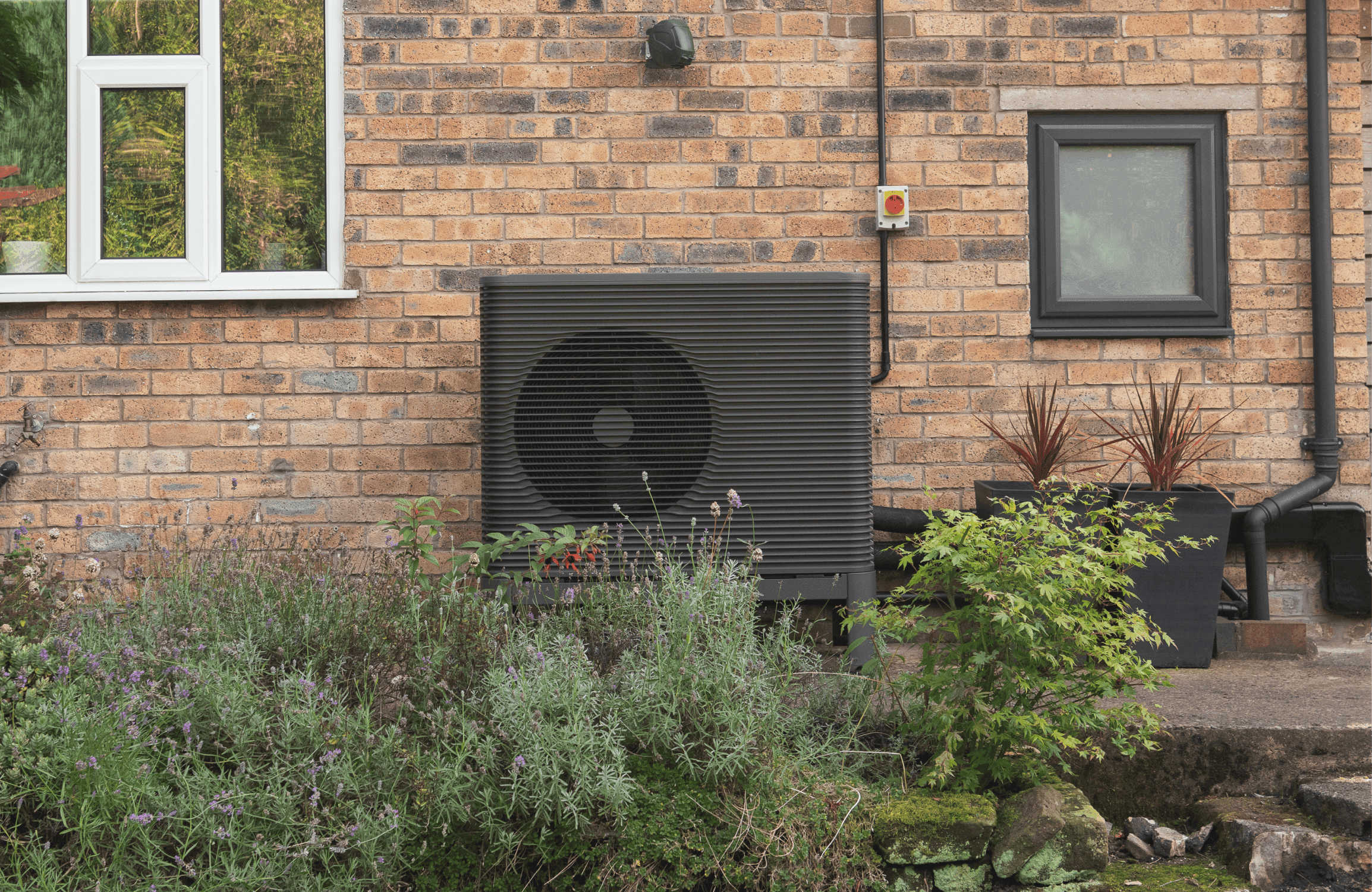
Upgrading to a heat pump is a great choice for energy-efficient and sustainable home heating, but you may be wondering how much power they actually consume. In this article, we’ll walk you through an air source heat pump’s electrical usage and why it can be a a great choice even during the coldest months of the year.

Talk to a Clean Energy Expert
How Much Power Do Heat Pumps Use?
On average, an 8 kWh air-source heat pump consumes about 6-10 kWh per day, translating to around 180-300 kWh per month under typical conditions. The power usage varies depending on the size of your home, outdoor temperatures, and how well-insulated your home is. During colder months, power consumption can increase, as heat pumps work harder to extract heat from the cold air, but even in these cases they are still at least twice as energy efficient a gas boiler.
In average weather conditions, heat pumps are even more efficient than traditional systems, often delivering 3-4x more heat energy than the electrical energy they consume. While heat pumps require more power in the winter, their overall annual power consumption is lower than that of traditional heating systems like gas or oil boilers, so you can expect to save 25% on your energy bills.
Seasonal Energy Usage and Operating Costs
Heat pumps have a higher energy demand in colder months, with approximately most of their annual consumption happening in the winter months. This power surge occurs because the pump works harder to extract heat from the chilly air, but this increased consumption is balanced by lower energy usage during milder seasons and heightened efficiency even when working harder on colder days.
Overall, operating costs for heat pumps in the UK are about 25% lower than for traditional systems, totalling up to £560 in annual saving.
Optimising Efficiency to Reduce Bills
To get the most out of your heat pump and reduce electricity costs, optimising its efficiency is crucial. Make sure to conduct regular maintenance to ensure peak performance and check on the insulation and windows in your home. Integrating smart thermostats, like the Aira Room Thermostat, also allows better control over your heating schedule and prevents energy waste.
Renewable Energy and Heat Pumps
Combining a heat pump with renewable energy sources like solar panels is an excellent way to reduce both your carbon footprint and energy bills. Solar panels can provide a portion of the electricity your heat pump requires, decreasing reliance on grid power. In some cases, this combination can lead to significant long-term savings, despite the higher initial investment in solar technology.
Conclusion
Heat pumps are energy-efficient systems that can help reduce heating and cooling costs, especially when combined with smart energy-saving practices like proper insulation and renewable energy sources. At Aira, we’re with you every step of your clean energy journey to ensure you can save energy without sacrificing comfort.

Related articles
Performance & reliability
17 Dec 2024
How much maintenance does an air source heat pump need?
Maintaining your air source heat pump is key to maximising its efficiency, extending its lifespan, and avoiding costly repairs. This eco-friendly system draws outdoor air to heat or cool your home, offering sustainable comfort year-round. With regular care, you can ensure peak performance and long-term reliability.
Heat pumps: The basics
28 Nov 2024
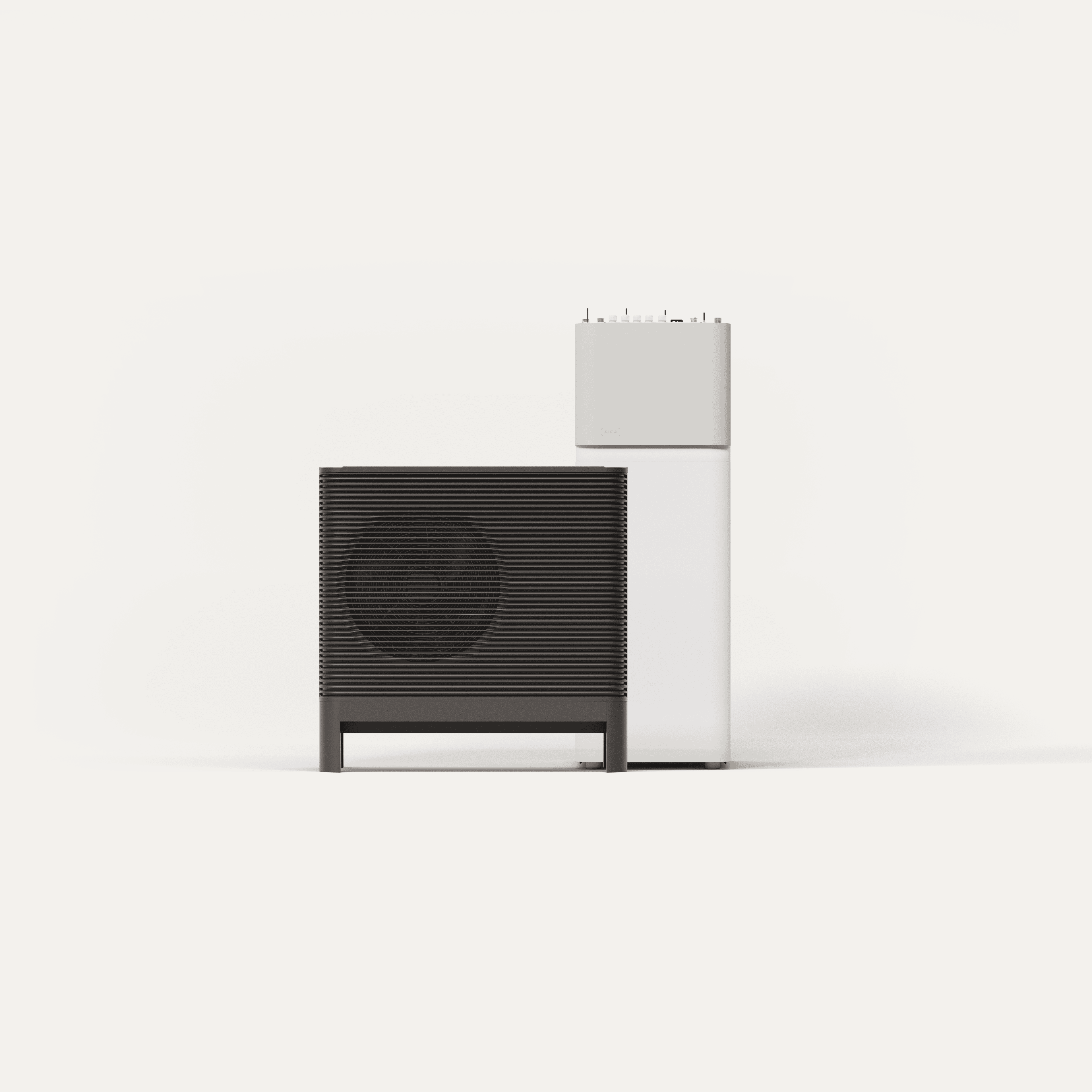
What does a heat pump look like?
Air source heat pumps offer energy-efficient heating and cooling with sleek units that blend into home designs, providing year-round comfort and savings.
Comparing options
3 Oct 2024
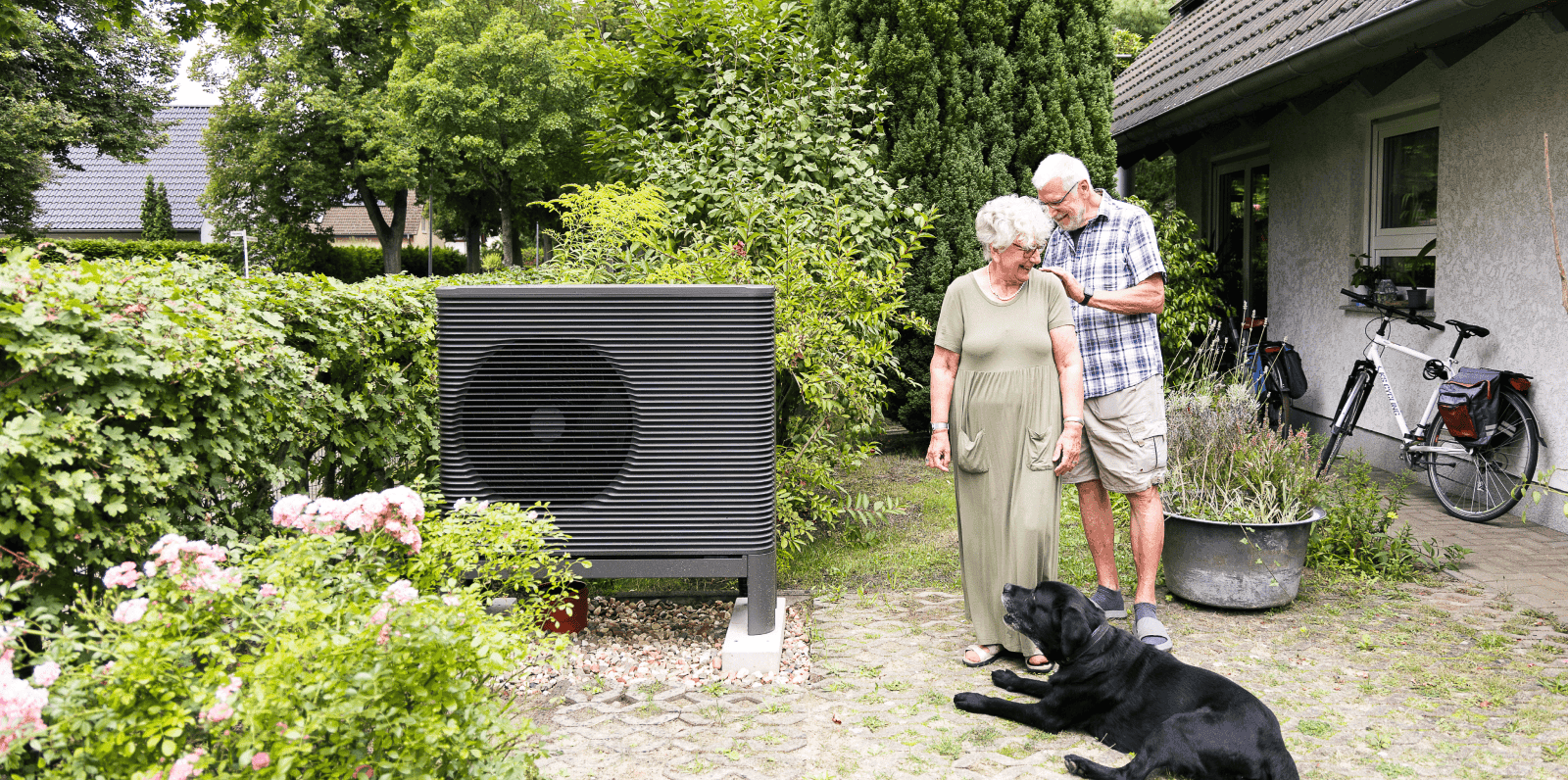
What size heat pump will I need?
Selecting the right air source heat pump is essential for maintaining your system’s energy efficiency and a comfortable temperature in your home. Let’s look into how you should size your heat pump.
Performance & reliability
26 Sept 2024
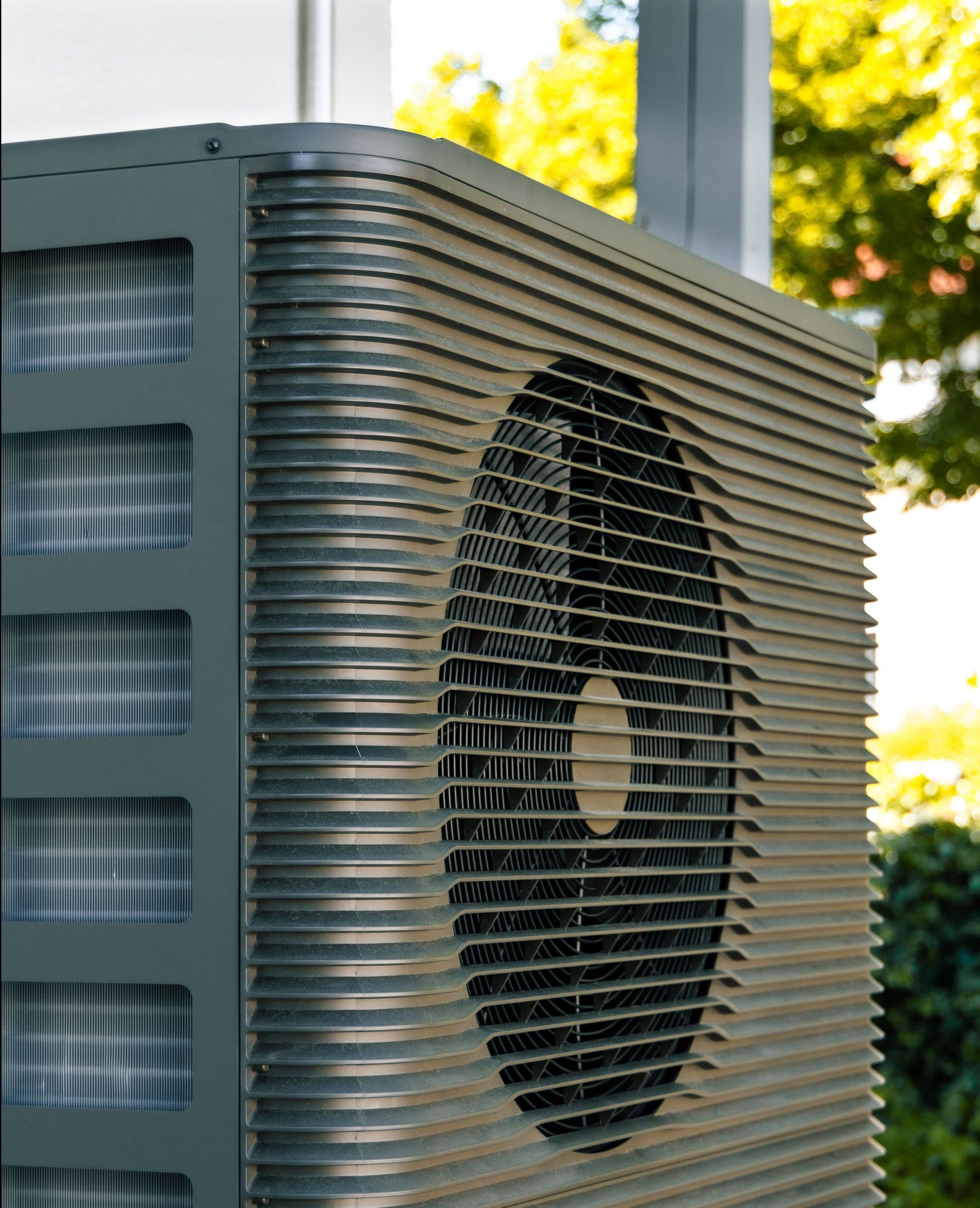
Are heat pumps noisy?
The short answer is no, they are quiet machines. Heat pumps work differently from traditional heating systems like gas boilers, often raising questions about their sound levels. But fear not, we’re here to guide you through the types of noises air source heat pumps produce, how they compare to older systems, and clear up some common myths.
Costs & benefits
29 Jul 2024
How much does it cost to run an air source heat pump
In this article, we'll explore the factors that sway the running costs of an air source heat pump, including the heat demand of your property, the efficiency of the pump itself, the insulation level of your home, and the type and size of the pump you choose.

Heat pumps: The basics
10 Jun 2024
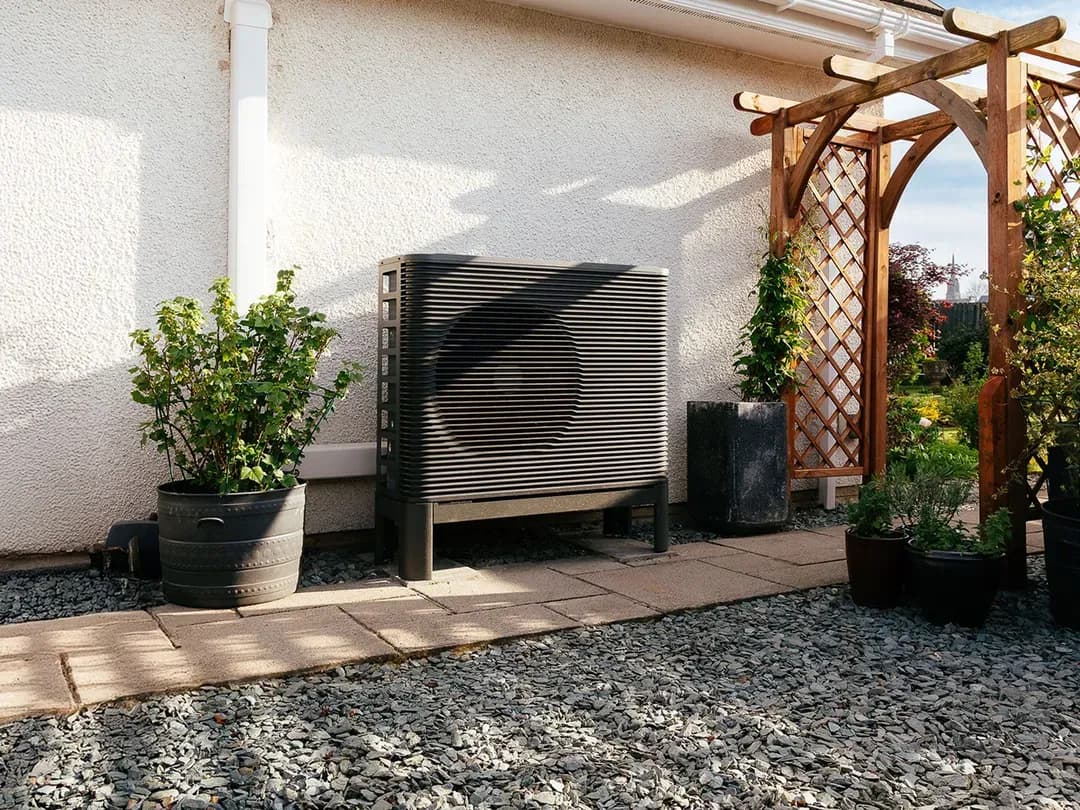
What is an air source heat pump?
Air source heat pumps provide a more energy-efficient and cheaper way of heating and cooling your home. But how exactly does an air source heat pump work? How can they be both eco-friendly and cost-effective? And are they the right heating choice for your home?
Heat pumps: The basics
25 Apr 2024
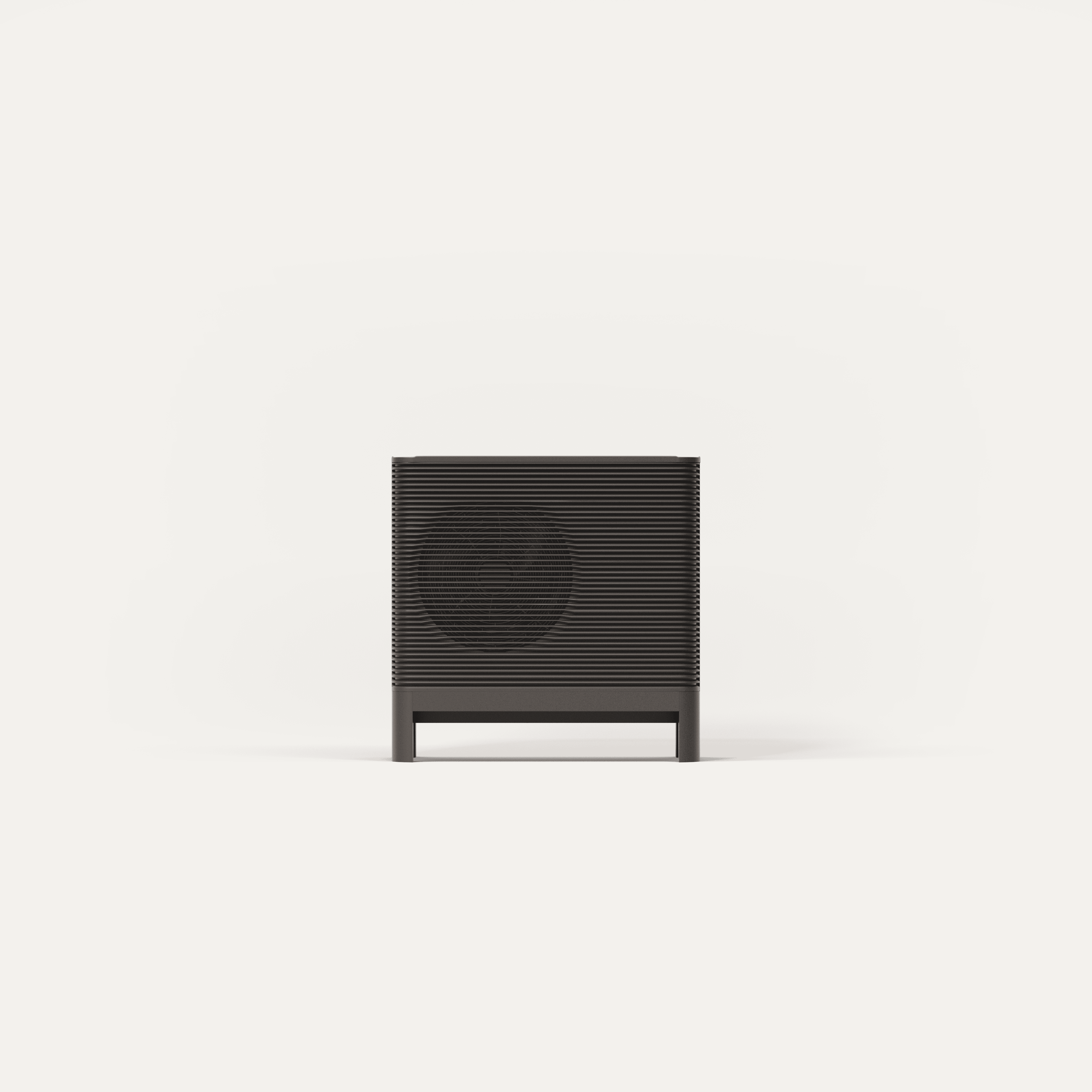
Everything you need to know about air source heat pumps in Scotland
By 2045, the government wants all homes in Scotland to have switched to zero-emissions heating systems. As part of this effort, the phase-out of fossil fuel boilers is set to begin in 2028. As a result, more people are considering switching to eco-friendly alternatives, like air source heat pumps.
Heat pumps: The basics
7 Feb 2024
The complete pros and cons guide to air source heat pumps
Air source heat pumps represent a smart and sustainable shift in how we heat our homes. We walk you through the advantages, the challenges, and the practicalities of air source heat pumps, so you can make an informed decision with confidence.
Performance & reliability
31 Jan 2024
Are microbore pipes compatible with air source heat pumps?
If you’ve been told your home is fitted with microbore pipework while looking to install a shiny new heat pump, you may have found the news a “micro bore”. Read on to learn how you can successfully install an air source heat pump if you have smaller, more fragile microbore pipes.