
26 June 2026
5 min read
Why is my house cold with a heat pump?

Published on
26 June 2026
Time to read
5 minutes
Key takeaways
- Warm radiators don’t need to be hot. Heat pumps heat your home differently to a gas boiler, using lower-temperature water over longer periods.
- A heat pump should maintain a steady temperature. Turning it on and off like a boiler can make your home feel colder and reduce efficiency.
- If your home never reaches the temperature you’ve set, it’s worth checking your settings, insulation or speaking to your installer.
If you’ve recently switched to a heat pump, or you’re researching one before making the change, you may have heard that homes feel colder with a heat pump.
Fortunately, that’s one of the biggest myths about heat pumps.
Unlike a gas boiler, which quickly heats your radiators before switching off again, a heat pump works differently. It supplies your heating system with lower-temperature water for longer, gently replacing the heat your home naturally loses throughout the day.
The result is a more consistent, comfortable temperature – without the intense bursts of heat you’re used to from a boiler. By heating your home steadily instead of in short bursts, heat pumps use less energy and are much more efficient.
If you do have a heat pump already, and your home genuinely isn’t reaching the temperature you’ve set, though, there are a few things worth checking.

Talk to a Clean Energy Expert
Is your home actually cold?
One of the biggest surprises for new heat pump owners is that the radiators don’t feel as hot as they did with a gas boiler.
That’s completely normal.
A gas boiler might heat your radiators to 70–80°C. A heat pump typically runs at a much lower flow temperature of around 35–45°C. That means your radiators feel warm rather than piping hot.
But remember, your heat pump isn’t trying to heat your radiators. It’s trying to heat your home.
If your thermostat says 20°C and your home feels comfortable, your heat pump is working exactly as it should.
Are you using your heat pump like a gas boiler?
Heat pumps are designed to maintain a steady temperature, not heat your home as quickly as possible.
So, if you’re turning your heating off overnight, only switching it on for a few hours each day, or turning the thermostat right up when you feel cold, your heat pump will have to work much harder to catch up.
Instead, leave your heat pump running and let it maintain a comfortable temperature throughout the day. If you’d prefer a cooler bedroom overnight, simply reduce your thermostat by 1–2°C or turn down your radiator valves rather than switching the system off completely.
Ultimately, your heat pump works best when you set it and forget it.
Is your home losing heat?
It doesn’t matter which heating system you have; it has to replace the heat your home loses.
If your home isn’t well insulated, heat can escape through your roof, walls, windows and doors faster than the heat pump can replace it. That doesn’t necessarily mean there’s a problem with the heat pump – it simply means it has to work harder.
Simple improvements like topping up your loft insulation, reducing draughts and upgrading older windows can all help your home stay warmer for longer.
Learn what actually drives heat pump efficiency in a UK home.
Are your radiators the right size?
Heat pumps work most efficiently at lower flow temperatures than a boiler system.
Because the water circulating around your heating system isn’t as hot as it would be with a boiler, your radiators need enough surface area to comfortably heat each room.
That’s why some homes need larger radiators when switching to a heat pump. It’s not because the heat pump isn’t powerful enough – it’s because larger radiators can release the same amount of heat using cooler water.
At Aira, we assess every room during your Home Energy Assessment to make sure your heating system is designed to keep your home cosy.

Have you checked the basics?
Before assuming something’s wrong, it’s worth checking a few simple things:
- Is your thermostat set to the temperature you’d like your home to be?
- Is your heating programmed to come on when you expect?
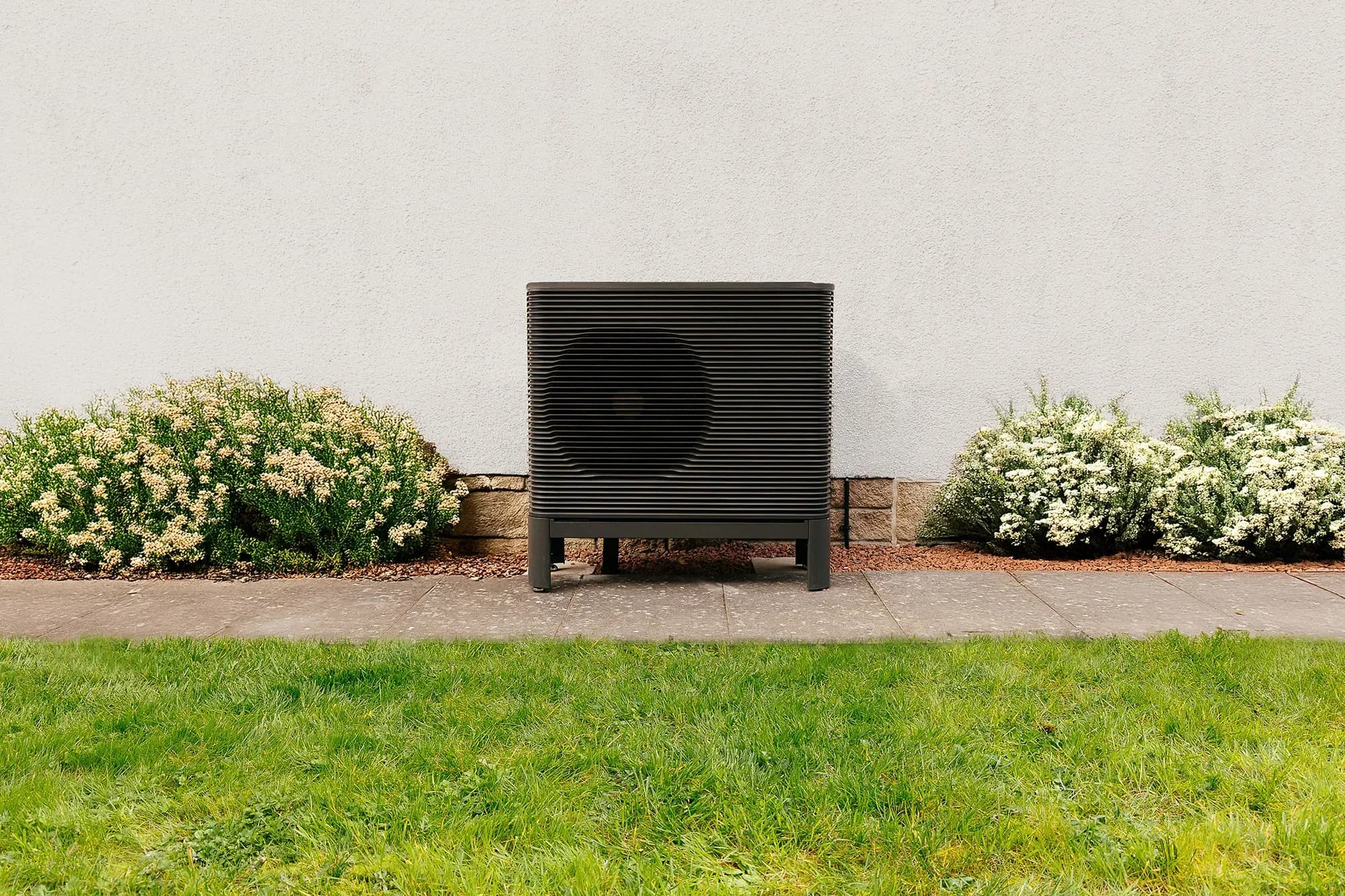
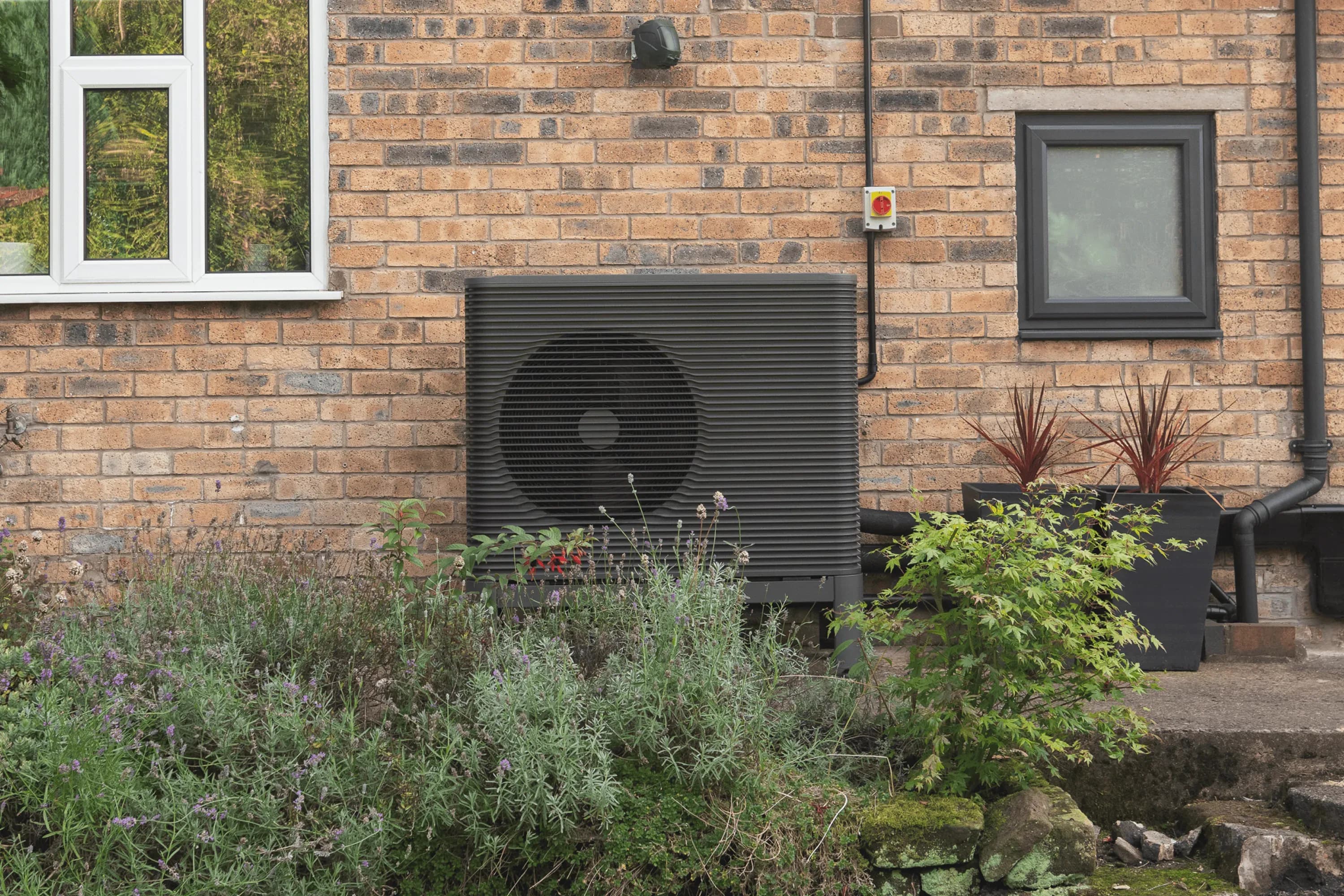
- Is the outdoor unit free from leaves, snow or anything blocking the airflow?
- Are all your radiators turned on and able to circulate heat properly?
Sometimes, a small adjustment is all it takes.
Could it be the defrost cycle?
On particularly cold mornings, you may notice your heat pump briefly stops heating or starts making a different sound.
This is called the defrost cycle, and it’s completely normal.
As your heat pump extracts warmth from the outside air, frost can build up on the outdoor unit. Every so often, the system automatically removes this frost to keep everything running efficiently.
The process usually lasts just a few minutes before normal heating resumes.
How does Aira Intelligence help?
With the Aira Heat Pump, Aira Intelligence continuously works in the background to keep your home cosy.
It monitors outdoor temperatures, weather forecasts and how your home warms up, then automatically fine-tunes your heating throughout the day. That means your heat pump is always working to maintain your chosen temperature while using as little energy as possible.
Instead of constantly adjusting your heating yourself, Aira Intelligence does the hard work for you.
When should I contact my installer?
It’s worth getting in touch if:
- Your home never reaches the temperature you’ve set.
- Your heat pump suddenly starts behaving differently.
- The outdoor unit stays covered in ice for a long time after the defrost cycle should have finished.
- You notice unusual noises or error messages.
- Your energy bills have increased significantly without an obvious reason.
These could indicate that your settings need adjusting or that your system would benefit from a professional check.
The bottom line
If your home feels different after switching to a heat pump, that’s perfectly normal.
Heat pumps don’t produce short bursts of intense heat like a gas boiler. Instead, they gently maintain a comfortable temperature using lower-temperature water over longer periods.
If your home is reaching the temperature you’ve set, your heat pump is doing exactly what it was designed to do. And if it isn’t, checking your settings, insulation and heating system is usually the best place to start. If the issue persists, contact your installer for help.
See if an Aira Heat Pump is right for your home
Answer 4 quick questions about your home to get started
What type of house do you live in?

Related articles
Costs & benefits
29 Jul 2026
Heat pump grant UK 2026: £9,000 for oil & LPG boiler homes
The UK heat pump grant has increased to £9,000 for oil and LPG homes. Here’s who qualifies, what it covers, and why now could be the right time to switch.
Costs & benefits
22 Jul 2026
VAT scrapped on electricity bills: What it means for heat pumps
The government is scrapping VAT on household electricity bills from 1 October. Here's what that means for heat pump running costs, why electricity is becoming more affordable, and how the latest change strengthens the case for switching from a boiler.
Costs & benefits
28 May 2026
Energy price cap increase: Are heat pumps now cheaper than gas boilers?
Ofgem’s latest energy price cap rise is pushing gas bills up again. Discover why more UK homeowners are considering heat pumps as a cheaper, smarter, and more stable alternative to gas boilers.
Performance & reliability
10 Apr 2026
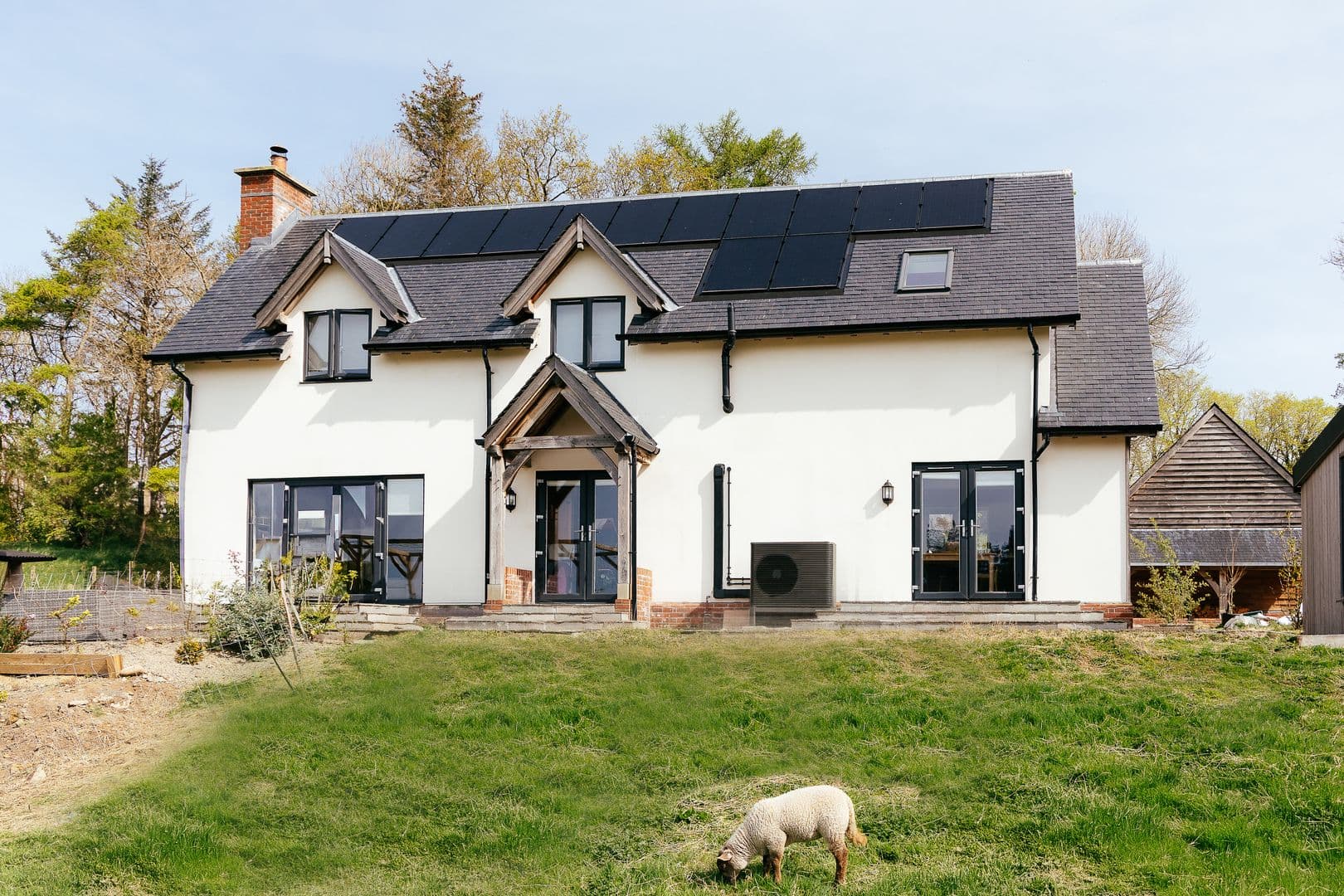
Heat pump comfort problems: Cold rooms, uneven heat and hot water issues explained
Heat pumps heat homes differently from gas boilers, which can sometimes lead to concerns about comfort. This guide explains the most common heat pump comfort problems – from cold rooms to hot water issues – and how to fix them.
Environmental impact & efficiency
10 Dec 2025
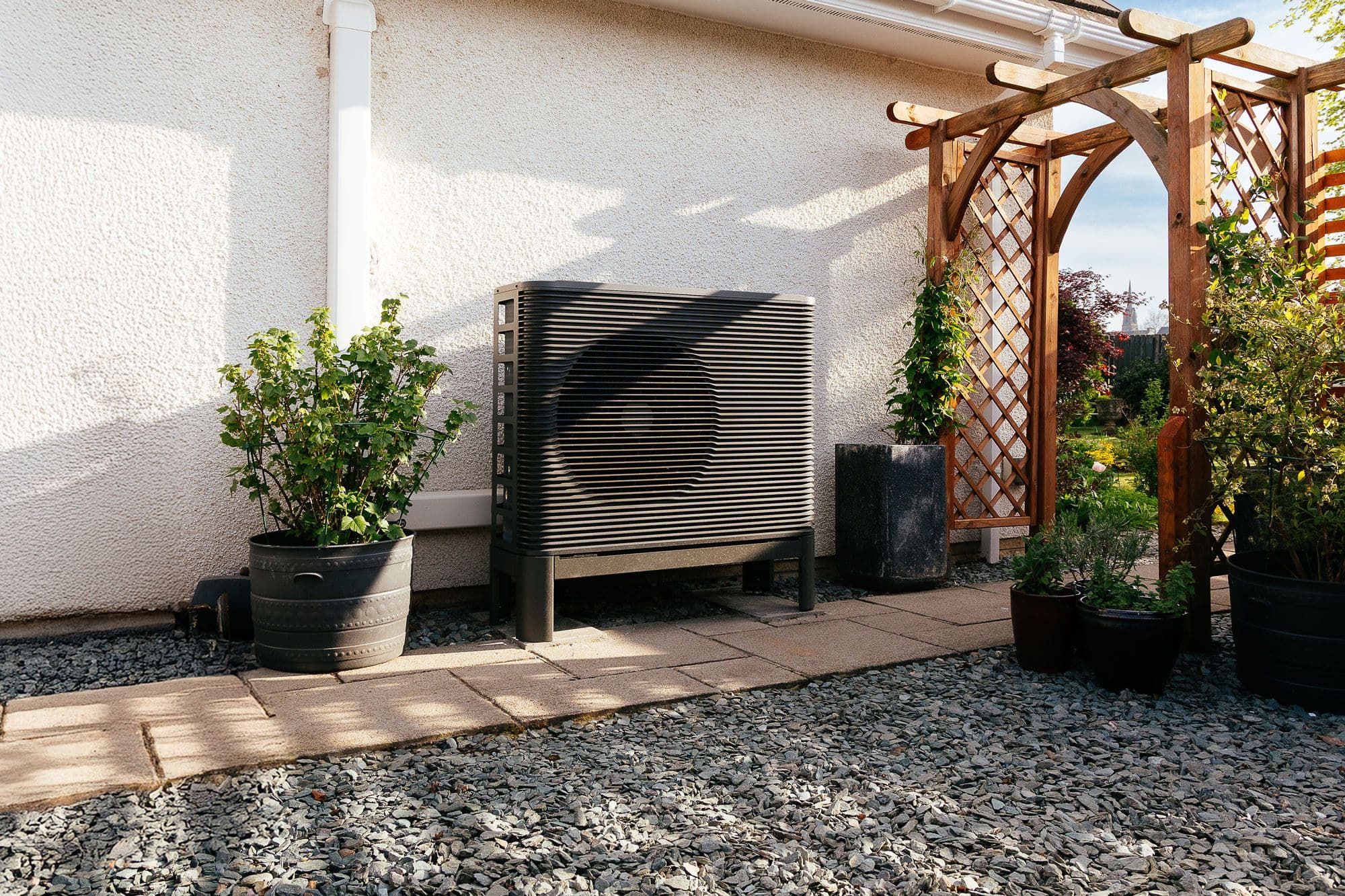
Heat pump efficiency explained: When is a heat pump most efficient and why
Heat pumps are the most efficient way to heat a UK home and are typically 4 times more efficient than a gas boiler. But what actually drives that efficiency? And when do heat pumps perform at their best? This guide breaks it down simply, from COP and SCOP to the real factors that shape performance.
Environmental impact & efficiency
19 Jun 2025
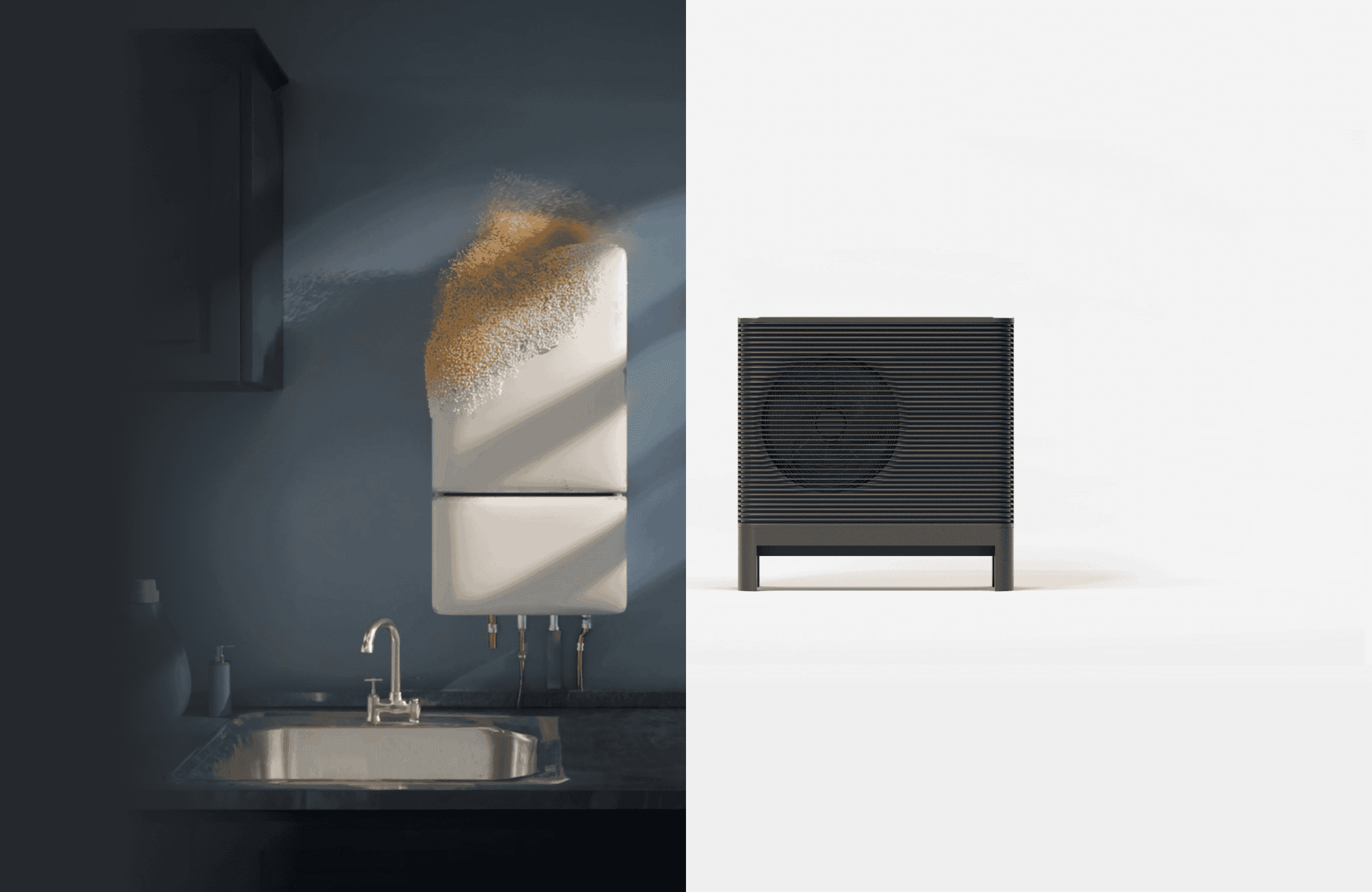
Heat pump efficiency explained: Everything you need to know before you switch
You’ve probably heard that heat pumps are more energy efficient than boilers. And better for the planet. But what does that really mean day-to-day? And how do you know if those efficiency stats like COP and SCOP will actually translate into lower bills and reliable heating in your home? We break it down.
Comparing options
5 May 2025
Heat pumps vs. gas boilers: Which is the right choice for you?
How do heat pumps and boilers compare? Let's break it down – upfront costs, efficiency, performance, and long-term savings – so you can make the best choice for your home.

Heat pumps: The basics
29 Apr 2025
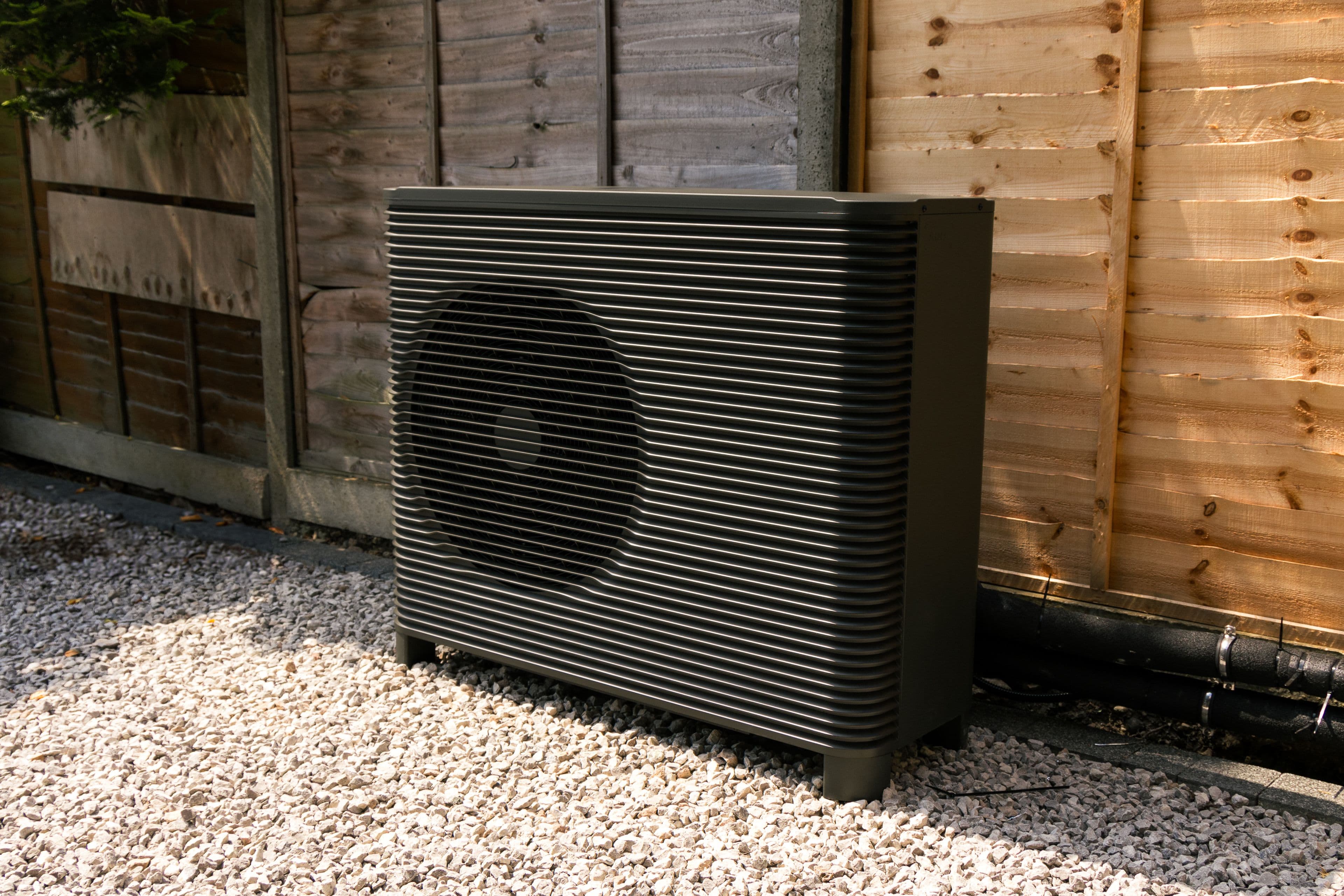
What actually happens during an Aira Heat Pump install?
Choosing to ditch your old boiler for an Aira Heat Pump is a big step. One that can lower both your carbon emissions and your energy bills. But what actually happens when you take the leap and say “yes” to Aira? Let’s walk through it.
Costs & benefits
22 Apr 2025
Heat pump cashback: which banks offer up to £2,000 and how to claim it.
If you're a homeowner looking to upgrade their heating by ditching their boiler for a heat pump, the good news is you might be eligible for more financial help beyond the government grant. Some of the UK’s biggest banks now offer cashback, green finance and mortgage schemes to help cover the cost of a heat pump installation.
Comparing options
5 Feb 2025
Can a heat pump replace a boiler?
With rising the cost of living and climate concerns, you may be considering a heat pump as a sustainable alternative to a boiler. Unlike boilers that burn fuel, heat pumps transfer heat, providing space and water heating with greater energy efficiency.
Performance & reliability
26 Sept 2024
Are heat pumps noisy?
The short answer is no, they are quiet machines. Heat pumps work differently from traditional heating systems like gas boilers, often raising questions about their sound levels. But fear not, we’re here to guide you through the types of noises air source heat pumps produce, how they compare to older systems, and clear up some common myths.
Heat pumps: The basics
25 Apr 2024
Everything you need to know about air source heat pumps in Scotland
By 2045, the government wants all homes in Scotland to have switched to zero-emissions heating systems. As part of this effort, the phase-out of fossil fuel boilers is set to begin in 2028. As a result, more people are considering switching to eco-friendly alternatives, like air source heat pumps.