10 April 2026
7 min read
Heat pump comfort problems: Cold rooms, uneven heat and hot water issues explained

Published on
10 April 2026
Time to read
7 minutes
Key takeaways
- Most heat pump comfort issues are easy to fix with simple adjustments or correct system settings.
- Heat pumps heat homes differently – steady, consistent warmth instead of short bursts of heat.
- If problems persist, they’re often down to system design rather than the heat pump itself.
Heat pumps heat homes differently from gas boilers. And because of that, some homeowners worry something is wrong when their home doesn’t feel exactly the same as before.
Cold rooms, uneven heating, or running out of hot water are some of the most common heat pump comfort problems people search for. The good news is that in most cases, these issues are easy to diagnose and fix.
Sometimes the solution is as simple as adjusting settings or opening radiator valves. In other cases, it may point to something in the system design that needs professional attention.
In this guide, we’ll walk through the most common heat pump comfort problems, what causes them, and what you can do about them.
Why heat pumps feel different from boilers
Before diving into specific issues, it helps to understand one key difference.
Gas boilers tend to heat homes in bursts. They switch on, heat radiators quickly at very high temperatures, then switch off again.
Heat pumps work differently. They run more steadily and at lower temperatures, gently maintaining your home’s comfort throughout the day.
Because of this, homes with heat pumps often feel more consistently warm rather than experiencing the hot-then-cold cycle common with boilers. But if your heat pump isn’t heating properly, or rooms feel colder than expected, it’s worth checking a few things first.
Problem: Some rooms are too cold
One of the most common complaints is that certain rooms feel colder than others.
Possible causes
Cold rooms often come down to how heat is distributed around the home rather than the heat pump itself.
Radiators that are too small for low-temperature heating can struggle to deliver enough warmth. Homes that previously relied on a boiler designed for very hot water sometimes need radiator upgrades when switching to a heat pump.
Insulation also plays a big role. Rooms with older windows, poor insulation, or exposed external walls lose heat faster than others.
Sometimes the issue is much simpler. Radiator valves may be partially closed in some rooms, or furniture might be blocking heat circulation.
What you can try
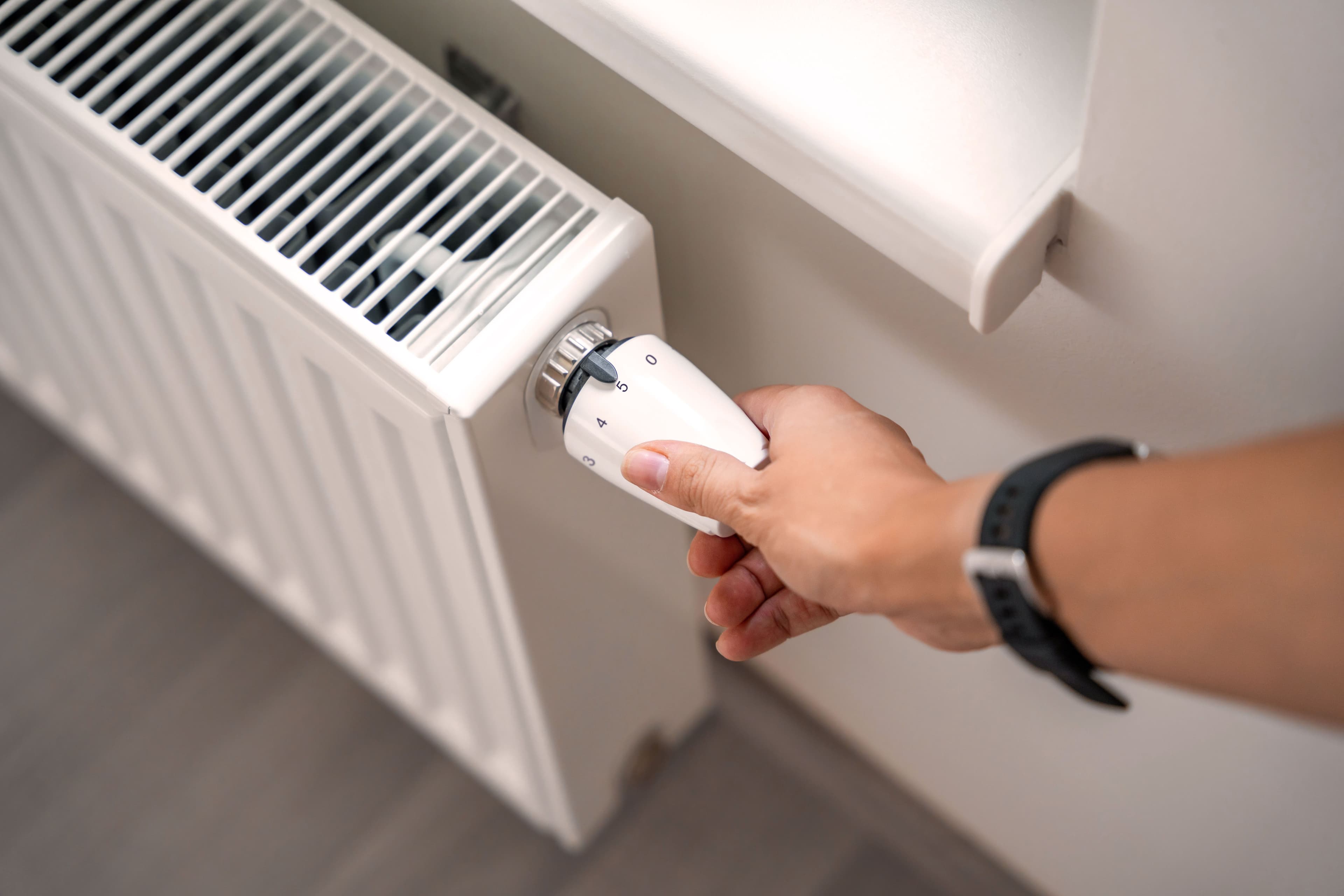
Start with a few simple checks. Make sure radiator valves are open, radiators are not blocked by furniture, and the thermostat is set to a consistent temperature.
Heat pumps generally work best when maintaining a steady indoor temperature around 19–21°C rather than being turned up and down frequently.
If the room still struggles to heat up, it may be worth asking your installer to check whether radiator sizing or insulation improvements could help.
Problem: Uneven heating throughout the home
Another common heat pump comfort problem is uneven heating, where some areas feel comfortable but others don’t.
Possible causes
In many homes this comes down to system balancing. If water flows too easily through some radiators and not enough through others, certain rooms heat faster while others lag behind.
Air trapped in radiators can also reduce heat output, making those rooms feel colder.
In larger homes or homes with extensions, uneven heating can sometimes indicate that the heating system wasn’t properly balanced after installation.
What you can try
Bleeding radiators is a good first step. This releases trapped air and allows hot water to circulate properly.
Check that thermostatic radiator valves are not restricting heat in rooms that need it.
If the problem continues, your installer may need to rebalance the system so each radiator receives the correct flow of hot water.
When done correctly, a balanced system should allow your heat pump to deliver even, steady warmth throughout the house.
You should bleed your radiators once a year to keep your system running efficiently. Want to see how to do it? Watch our video below.
Problem: Your heat pump isn’t heating properly
If your heat pump seems to run constantly but the house still feels cool, there may be a few possible explanations.
Possible causes
Sometimes the issue is simply that the thermostat is set too high. Heat pumps operate most efficiently when maintaining a stable indoor temperature rather than trying to quickly raise the temperature by several degrees.
Airflow issues can also reduce heating performance. Dirty filters, blocked vents (if you have an air-to-air heat pump), or obstructed radiators can all limit heat output.
In other cases, the system itself may need attention. Low refrigerant levels, frozen outdoor coils, or sensor issues can reduce heating capacity.
What you can try
Start with the basics. Check filters, make sure the outdoor unit isn’t blocked by leaves or debris, and ensure the thermostat settings are reasonable.
It’s also worth checking your system pressure if you have a sealed system. Low pressure can reduce how effectively heat is circulated around your home. If you’re unsure, your installer or system manual can guide you on what the correct pressure should be. Or, watch our video below.
If the system still struggles to heat the home after these checks, it’s best to contact your installer for a professional inspection.
Problem: Hot water running out
Running out of hot water is another issue some homeowners notice when switching to a heat pump.
Possible causes
Just like many boilers, heat pumps store hot water in a cylinder. And, similarly to a boiler, Your heat pump will usually start reheating the tank automatically after hot water is used – but it does this more gradually. So if a lot of hot water is used in a short space of time, the cylinder can temporarily run out before it’s fully reheated.
This typically comes down to:
- cylinder size
- how much hot water your household uses
- when that usage happens
What you can do
In many cases, small adjustments can make a big difference.
Setting a hot water schedule can help ensure the tank is fully heated when you’re most likely to need it – for example, in the morning or evening. Although, be careful if you’re on a time-of-use or smart tariff, as you could end up heating your hot water at more expensive times of the day.
If your household regularly uses large volumes of hot water, a larger cylinder may be needed to meet demand.
You can also increase the hot water temperature slightly. A hotter tank means more usable hot water at any given time – although higher temperatures can reduce efficiency, so it’s best to find the right balance.
If you’re still running out of hot water regularly, your installer can review your system setup and recommend the best solution.
Quick diagnosis guide
If you’re unsure what’s causing a comfort issue, this quick guide can help point you in the right direction.
Symptom | Likely cause | First step |
Rooms feel cold | Radiator size, insulation or valve settings | Check valves and thermostat |
Uneven heating | System balancing or trapped air | Bleed radiators |
Heat pump running constantly | Thermostat settings or airflow restrictions | Check filters and settings |
Hot water running out | Cylinder size or schedule | Adjust tank temperature or hot water schedule |
When comfort changes are normal
Some differences are completely normal when switching to a heat pump. And many homeowners actually come to prefer them.
Because heat pumps run more steadily, radiators tend to feel warm rather than very hot, and your home may take a little longer to heat up if the temperature has been turned down overnight. At first, this can feel different compared to a boiler.
But over time, many heat pump owners describe a more consistent, comfortable kind of warmth – where the home feels gently heated throughout the day. You’re not dealing with sudden bursts of heat or rooms cooling down quickly. Instead, it’s a more balanced, “just right” feeling – never too hot, never too cold.
These changes don’t mean the system isn’t working. In fact, this steady heating is exactly what allows heat pumps to run efficiently while keeping your home consistently comfortable.
When it might be a problem
While some differences are completely normal, there are times when it’s worth getting things checked.
If rooms never reach the target temperature, hot water regularly runs out, or your home feels colder than expected even with the right settings, it could point to an issue with the system setup rather than the heat pump itself.
In many cases, comfort issues come down to system design. Things like heat loss, radiator sizing, insulation, and how your home uses heating and hot water all play a big role in how well a heat pump performs.
That’s why a proper heat pump installation starts with a detailed heat loss calculation – to design a system that’s tailored to your home and how you live in it.
At Aira, this is part of every installation. And it’s also why we offer the Aira 15-Year Guarantee (which is free for the first year). If something doesn’t feel right, we’ll help you get the settings right, or come out and fix the issue if needed.
When everything is set up correctly, a heat pump should deliver consistent, comfortable heating all year round.
Final thoughts
Heat pump comfort problems are usually straightforward to diagnose and fix. In many cases, the solution is as simple as adjusting settings or balancing radiators.
And when systems are properly designed and installed, heat pumps provide consistent warmth, reliable hot water, and far greater efficiency than traditional heating systems.
If you’re considering switching to a heat pump, a professional home energy assessment ensures the system is designed specifically for your home, helping avoid many of these issues from the start.
Want to see if a heat pump is right for your home?
Answer 4 quick questions to get started.
What type of house do you live in?

Related articles
Comparing options
18 Sept 2026
The difference between a heat pump and an air conditioner
Heat pumps and air conditioners may look similar, but they can do very different jobs around the home. Discover how air conditioning, air-to-air and air-to-water heat pumps compare, from cooling and hot water to installation and cost.