18 September 2026
9 min read
The difference between a heat pump and an air conditioner

Published on
18 September 2026
Time to read
9 minutes
Key takeaways
- Heat pumps and air conditioners both move heat. Air conditioners cool rooms by taking heat out and blowing cooler air back in. Heat pumps can move heat the other way too, using it to warm either the air in your rooms or the water in your heating system.
- Air-to-air heat pumps can warm and cool rooms, but they don’t normally provide hot water.
- Air-to-water heat pumps can replace a boiler, heating your whole home and hot water. Cooling is only possible when the complete system is designed for it.
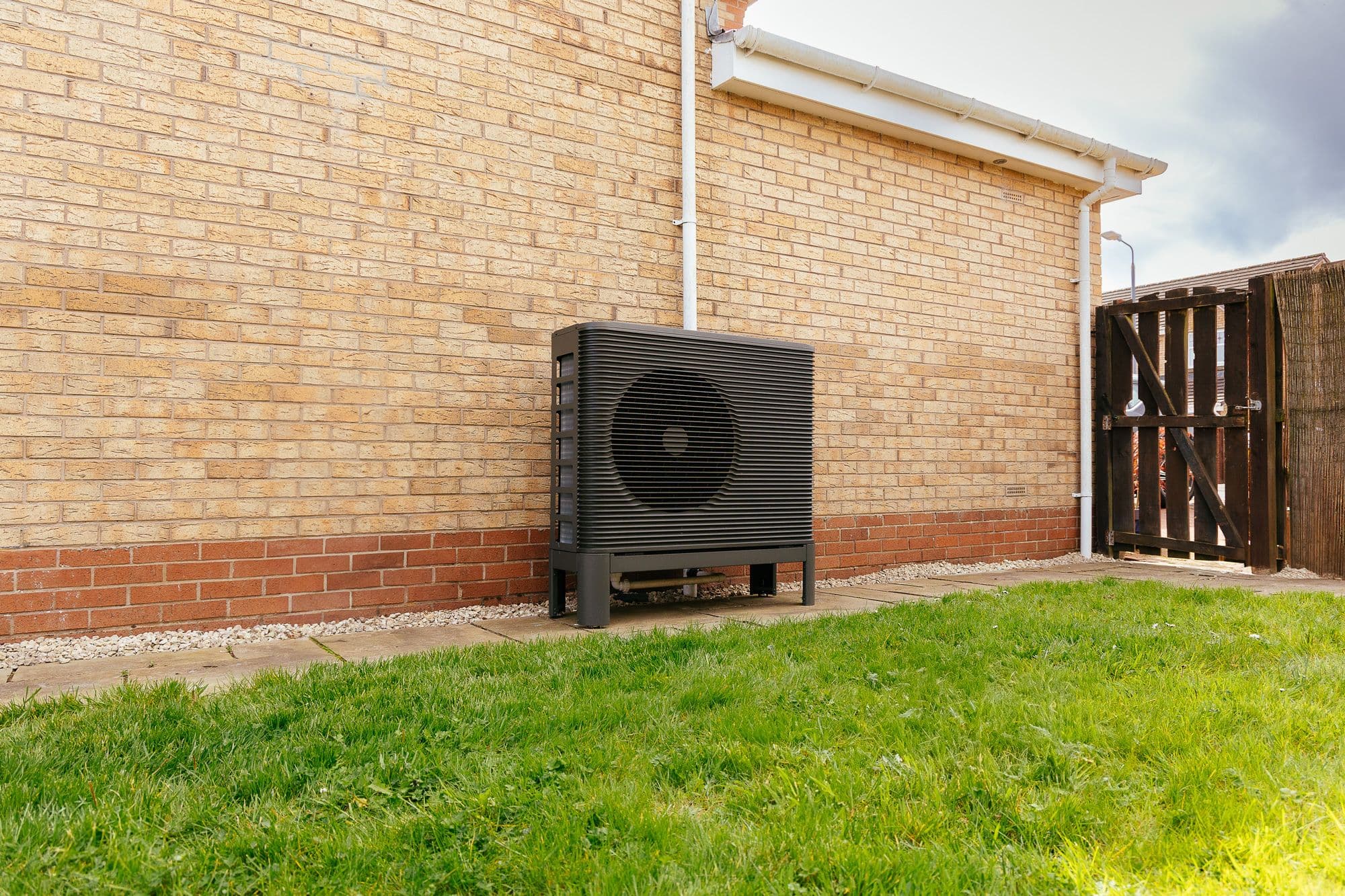
From the outside, a heat pump and an air conditioner can look suspiciously similar. A box that sits outside the home. A fan that whirs throughout the day. Plenty of smart stuff hidden behind the grille.
That’s because they’re close relatives. They both use electricity and refrigerant to move heat from one place to another. The difference is where they move the heat, what they use it for and whether heating or cooling reaches your rooms through air or water.
And here’s the extra confusing part: Heat pumps come in different forms. An air-to-air heat pump reverses the process of what an air conditioner does, which is to take heat from inside a room and move it outside. An air-to-water heat pump transfers warmth into the water used by your radiators, underfloor heating and hot-water cylinder.
To help make things a bit clearer, the air-to-water is the type that is designed to replace a boiler (like the Aira Heat Pump), but let’s dive into more detail so you know exactly how an air conditioner and a heat pump differ.
How heat pumps and air conditioners work
Both systems move heat. They just send it in different directions.
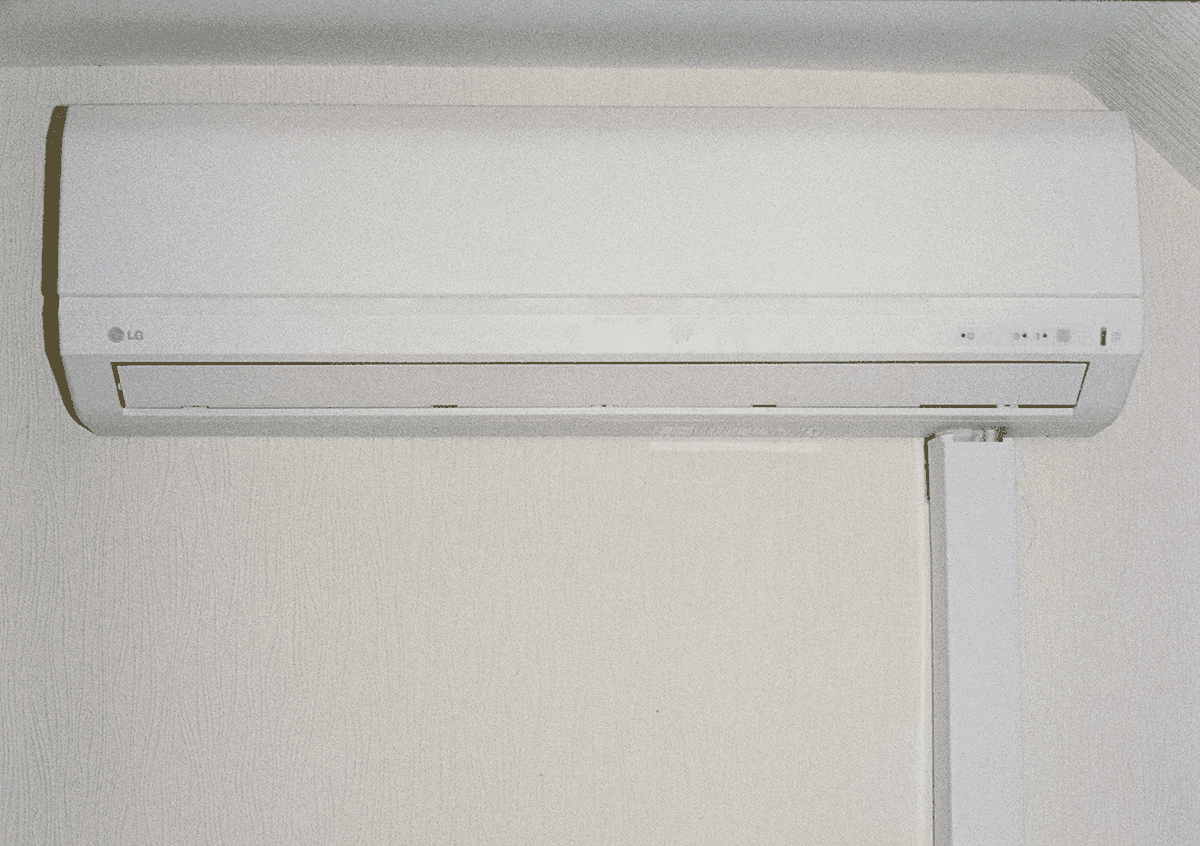
An air conditioner doesn’t create cold air from nothing. Its indoor unit draws in warm air and passes it over a cold coil. Refrigerant inside the coil absorbs some of that warmth before a fan sends the now-cooler air back into the room. That’s the cool air you feel.
The refrigerant carries the unwanted heat outside, where the outdoor unit releases it. The process then repeats until the room reaches the temperature you’ve chosen.
A heat pump uses the same basic process for heating, only in the other direction. Air passes over a coil in the outdoor unit, where refrigerant absorbs some of its warmth. A compressor then raises the refrigerant’s temperature until it’s hot enough to warm your home.
Even freezing air contains usable warmth. That’s why a heat pump can still keep your home cosy in winter.
An air-to-air heat pump sends warm air directly into the room. An air-to-water heat pump transfers the warmth into the water flowing through your radiators or underfloor heating.
Want to go a little deeper without needing an engineering degree? Read our guide to how heat pumps work.
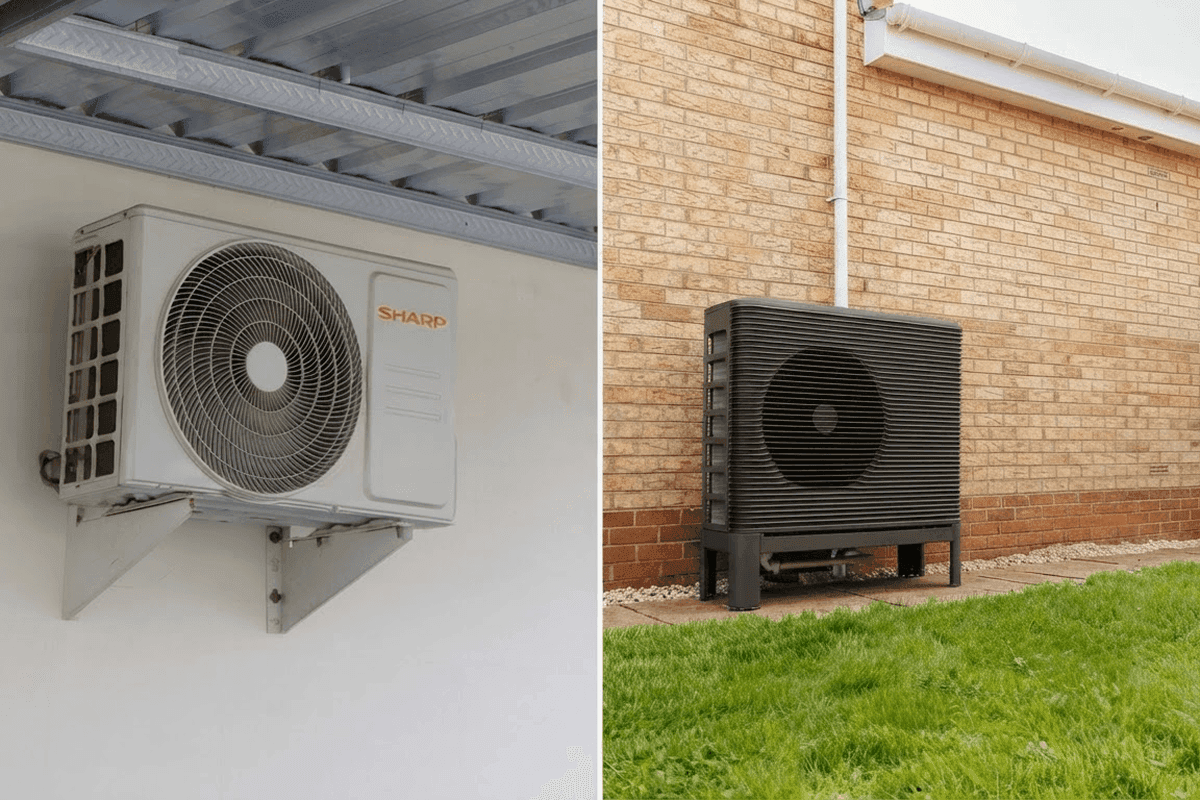
Heat pump vs air conditioner: key differences
1) Air conditioners cool individual rooms
Air conditioning is built to make hot rooms cooler.
A fixed system usually has an outdoor unit connected to one or more indoor units. The indoor unit draws in warm air, removes some of its heat and moisture, then sends cooler air back into the room.
Portable air conditioners follow the same general principle, but everything sits inside one movable unit and the unwanted heat leaves through a hose. They’re easier to set up, although fixed systems are generally better suited to cooling rooms regularly.
Some fixed air-conditioning systems can reverse the process and provide heating. When they do, they’re working much like an air-to-air heat pump.
2) Air-to-air heat pumps provide heating and cooling
If you’ve ever changed the temperature in a hotel room using a unit on the wall, you’ve probably used something very similar to an air-to-air heat pump.
The outdoor unit collects warmth from the air and transfers it to an indoor unit, which blows warm air into the room. In summer, the process can run in reverse to provide cooling.
It can be a practical option for flats, smaller homes or properties without a wet central heating system. However, each area needs a way to receive that warm or cool air, which can mean fitting several indoor units around the home.
There’s another important difference: an air-to-air heat pump doesn’t normally heat the water for your taps and showers. You’ll need a separate hot-water solution.
3) Air-to-water heat pumps provide heating and hot water
An air-to-water heat pump collects warmth from the outside air and raises it to a useful temperature. It then transfers that heat into water, which travels around your radiators or underfloor heating.
It also heats the water stored for your taps, baths and showers. So rather than cooling one room, it can take care of the heating and hot water across your whole home.
This makes an air-to-water heat pump a direct clean-energy alternative to a gas, oil or LPG boiler. You’ll usually keep using the same style of central heating you already know, although some radiators may need upgrading to suit the new system.
The Aira Heat Pump is an air-to-water heat pump. It doesn’t burn fuel or blow warm air around your rooms. It quietly heats the water your home uses to stay cosy.
4) Heat pump cooling depends on the system
Air-to-air heat pumps are designed to provide heating and cooling. Changing between the two simply reverses the direction in which the system moves heat.
Some air-to-water heat pumps can provide cooling too, but it isn’t automatic. The complete system must be designed to handle chilled water safely and effectively.
Standard radiators are made to release warmth, not cool rooms. Cooling may require fan-assisted units, suitable underfloor pipework and controls that prevent condensation from forming.
So while an air-to-water heat pump may be capable of cooling, that doesn’t mean every installation will. If cooling matters to you, tell your installer at the beginning. It needs to be considered as part of the complete system design.
5) Some air conditioners can provide heating
The old distinction that “air conditioners cool and heat pumps heat” no longer tells the whole story.
Many fixed air-conditioning systems can run in reverse, taking warmth from outside and blowing it into the room. Technically, that makes them a type of air-to-air heat pump.
They can provide efficient heating for individual rooms, particularly during milder weather. But they still won’t normally heat your radiators or provide hot water, so they aren’t always a complete replacement for a boiler.
This is why it’s better to focus on what a system actually does than what it says on the box.
Air conditioner, air-to-air and air-to-water heat pumps compared
They use similar technology, but they can do very different jobs around the home. Here’s how the three systems compare.
Air conditioner | Air-to-air heat pump | Air-to-water heat pump | |
Main job | Cooling rooms | Heating and cooling rooms | Heating hot water for your radiators, taps and showers |
How it delivers heating or cooling | Via air from indoor unit(s) | Via air from indoor unit(s) | Via hot water sent to your raditors or underfloor heating |
Heats hot water | No | No | Yes |
Works with radiators | No | No | Yes |
Provides cooling | Yes | Yes | Only when complete system is designed for it |
Can replace a boiler | No | No – needs to be paired with hot water system | Yes (Government grant of £7,500 available to switch gas boiler to air-to-water heat pump) |
Best suited to | Homes mainly looking for cooling | Homes wanting heating and cooling through air | Homes replacing central heating and hot water (like a boiler) |
Heat pump and air conditioner installation compared
Installing air conditioning usually means fitting an indoor unit to the wall, connecting it to an outdoor unit and adding a pipe to carry away condensation. A multi-room system will need additional indoor units.
Installing an air-to-air heat pump is much the same. It uses an outdoor unit connected to one or more indoor units, depending on how many rooms you want to heat or cool.
An air-to-water heat pump becomes part of the home’s central heating. To get it right, before installation, the installer needs to understand how quickly every room loses warmth, whether the existing radiators can provide enough heat and how much hot water the household uses.
That calls for a proper home assessment, a room-by-room heat loss calculation and a system designed around the property.
There’s more planning involved because it’s doing a much bigger job. Done properly, it replaces the boiler and keeps the whole home cosy from one connected system.
Heat pump vs air conditioner costs in the UK
An air conditioner for one room will usually cost less to buy and install than a complete air-to-water heat pump system. But it’s also doing less. Much less.
The cost of an air-to-air heat pump depends on how many rooms you want to heat and cool. Each room or zone may need its own indoor unit, and you’ll normally need a separate way to heat your water.
A fair comparison needs to include everything required to heat the home and provide hot water. Choosing air conditioning or an air-to-air heat pump may still leave you paying to run, maintain and eventually replace a separate boiler or hot-water system.
An air-to-water heat pump costs more upfront because it’s a complete home heating system. The good news? Government funding can bring that cost down considerably.
In England and Wales, eligible homeowners can currently receive £7,500 towards an air-to-water heat pump through the Boiler Upgrade Scheme. Eligible off-grid homes replacing oil or LPG heating can receive £9,000 until 31 March 2027. A £2,500 grant is also available for eligible air-to-air heat pumps.
In Scotland, eligible households can receive a £7,500 grant and an optional £7,500 interest-free loan through Home Energy Scotland. The grant rises to £9,000 for eligible rural and island homes, bringing the total funding available to £16,500.
With Aira, we handle the Boiler Upgrade Scheme application for you and deduct the grant from your quote.
Choosing the right system for your home and your needs
When a heatwave arrives, cooling can suddenly feel like the only thing that matters. Then the rest of the British year turns up. Colder, greyer and usually a little damp.
If you mainly want to cool a bedroom, home office or living room during the hottest days, air conditioning is probably the simplest answer. It’ll make those rooms much more comfortable, but you’ll still need your existing heating and hot-water system for the rest of the year.
An air-to-air heat pump gives you the best of both worlds. It can blow cool air into your rooms when a heatwave hits, then reverse the process to keep them warm when winter inevitably returns. However, it won’t normally heat the water for your taps and showers, so you’ll still need a separate hot-water system.
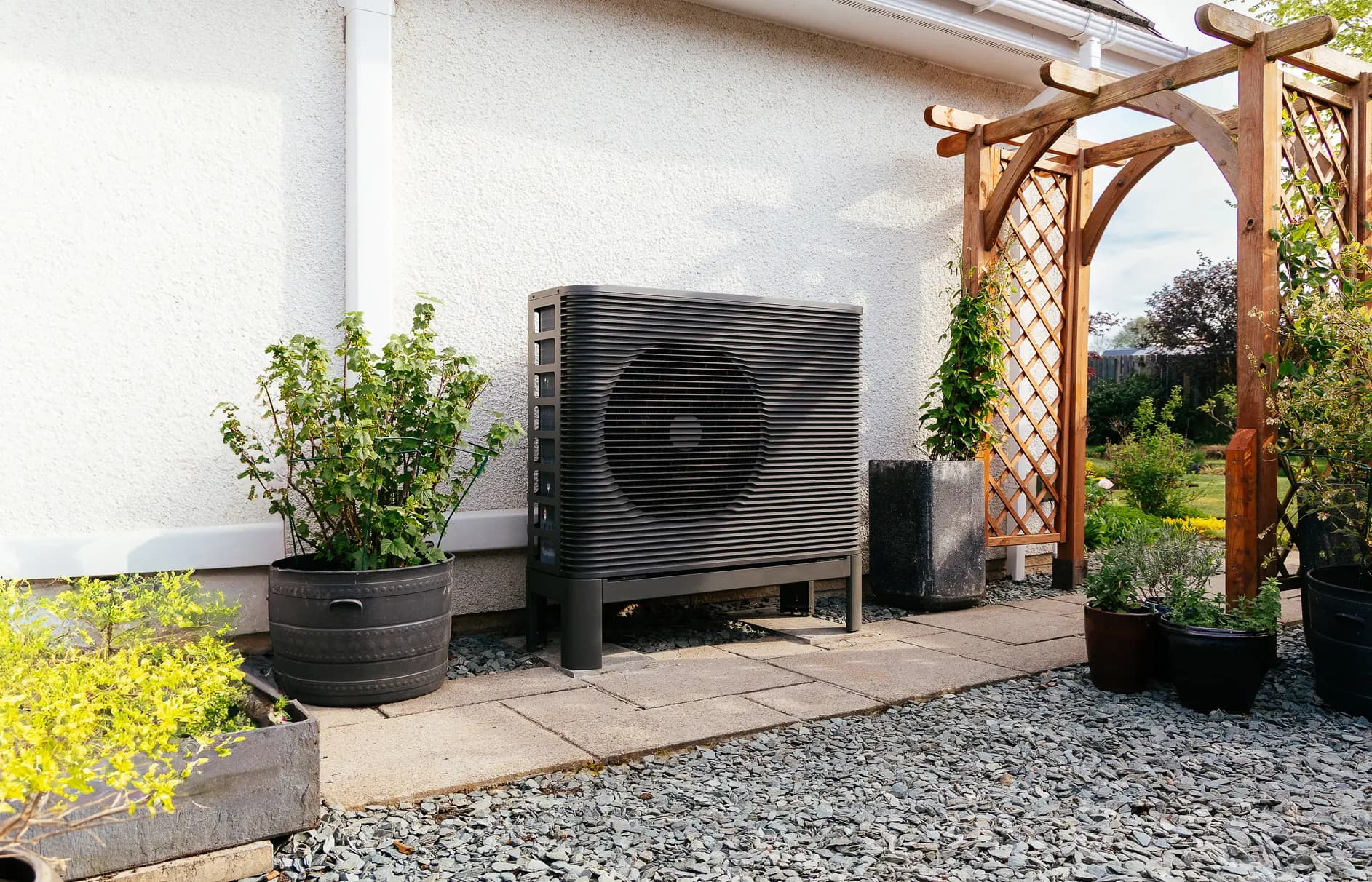
If you want to replace your boiler and use one clean-energy system for your central heating and hot water, an air-to-water heat pump is designed for the job. It heats the water flowing through your radiators or underfloor heating, along with the water stored for your taps, baths and showers.
It’s an incredibly efficient way to heat a home, too. A heat pump can be around 4X more efficient than a typical gas boiler, helping to lower the amount of energy your heating uses. With the Aira Heat Pump, that could mean saving up to £490 a year, depending on your home, electricity tariff and energy use.
The Aira Heat Pump provides whole-home heating and hot water
The Aira Heat Pump is an air-to-water system designed around your home. It uses warmth from outside to heat the water sent to your radiators or underfloor heating, as well as the water stored for your taps and showers.
We assess your home, design the complete system, apply for any eligible grant and install everything. Once it’s running, Aira Intelligence quietly adjusts your heating and hot water around the weather and your comfort settings.
No separate companies. No trying to piece the system together yourself. Just cleaner heating, all under one roof.
See how much you could save with an Aira Heat Pump
Answer 4 quick questions to get started
What type of house do you live in?

Related articles
Comparing options
5 Jun 2026
Aira vs. Octopus heat pumps. Which one is right for you?
Like Aira, Octopus Energy manufactures and installs its own heat pump: the Cosy. But that’s where the similarities end and the real choice begins. We break down the key differences between Aira and Octopus, and compare the Aira Heat Pump with the Octopus Cosy to see how they stack up.
Comparing options
5 May 2025
Heat pumps vs. gas boilers: Which is the right choice for you?
How do heat pumps and boilers compare? Let's break it down – upfront costs, efficiency, performance, and long-term savings – so you can make the best choice for your home.
Comparing options
5 Feb 2025
Can a heat pump replace a boiler?
With rising the cost of living and climate concerns, you may be considering a heat pump as a sustainable alternative to a boiler. Unlike boilers that burn fuel, heat pumps transfer heat, providing space and water heating with greater energy efficiency.
Comparing options
3 Oct 2024
What size heat pump will I need?
Selecting the right air source heat pump is essential for maintaining your system’s energy efficiency and a comfortable temperature in your home. Let’s look into how you should size your heat pump.

Comparing options
13 Mar 2024
High temperature heat pumps: what are they and how do they work?
When researching which heat pump is right for your home, you may have come across high temperature heat pumps as a viable option to replace your old fossil-fuel-burning boiler. However, before choosing a high temperature heat pump, it’s important to learn about its limitations when compared to a more efficient low temperature heat pump.
Comparing options
9 Aug 2023
Types of heat pumps
Switching to a heat pump can make some significant improvements to your home, from reduced energy bills to fewer carbon emissions produced. Heat pumps are the way forward when it comes to a greener home. If you’re thinking of making the switch but aren’t sure which type of heat pump will suit your home and needs best, keep reading as we’ll explore the most popular heat pump types and their benefits.