13 August 2026
6 min read
Heat pump warranties explained: what MCS covers – and what it doesn’t

Published on
13 August 2026
Time to read
6 minutes
Key takeaways
- An MCS certificate proves your heat pump has been installed to recognised standards – it isn't a performance guarantee.
- The redeveloped MCS Installer Scheme now includes at least six years of installation protection, but it doesn't cover everything that can happen after installation.
- Before choosing an installer, understand the difference between an installation warranty, product warranty and performance guarantee – and who's responsible if something goes wrong.
If you're comparing heat pump installers, you'll probably come across the term MCS certified.
It's one of the first things people look for. And for good reason. If you want to claim the Boiler Upgrade Scheme, your heat pump must be installed by an MCS-certified installer. MCS also sets the standards installers must meet when designing and installing your system.
But here's the bit many homeowners don't realise. An MCS certificate isn't a performance guarantee.
It doesn't promise your home will be warm. It doesn't guarantee your energy bills will fall. And it doesn't mean someone will keep an eye on your system for the next 15 years.
So, what does it actually cover? And what protection should you expect beyond MCS?
Let's break it down.
What is MCS?
MCS (Microgeneration Certification Scheme) is the UK's quality assurance scheme for renewable energy technologies such as heat pumps, solar panels and battery storage.
For homeowners, it gives confidence that:
- your installer has met recognised industry standards
- your heat pump has been designed and installed correctly
- you're eligible to apply for the Boiler Upgrade Scheme
In short, it's an important quality mark. But while MCS tells you your heat pump has been installed to recognised standards, it doesn't tell you what happens once your installer drives away.
What does an MCS certificate actually cover?
The good news is that MCS has strengthened its consumer protections.
As part of the redeveloped MCS Installer Scheme, introduced in 2026, every domestic installation must now include an approved financial protection product. That means homeowners receive at least six years of installation cover if something goes wrong with the installation and the original installer can't put it right – for example, if they've stopped trading or refuse to carry out remedial work.
That's great news for homeowners. But it's important to understand what this protection is. And what it isn’t.
MCS helps protect you if…
- your installer didn't complete the installation properly
- there's a workmanship issue
- remedial work is needed because of the installation
- your installer is no longer around to put things right (subject to the scheme's terms).
MCS doesn't guarantee...
- your heat pump will perform as expected for years to come
- your energy bills will reduce by a certain amount
- someone will remotely monitor your system
- servicing and maintenance
- repairs caused by normal wear and tear
- call-out costs outside the installation warranty
- replacement parts once manufacturer warranties expire
Those protections need to come from somewhere else.
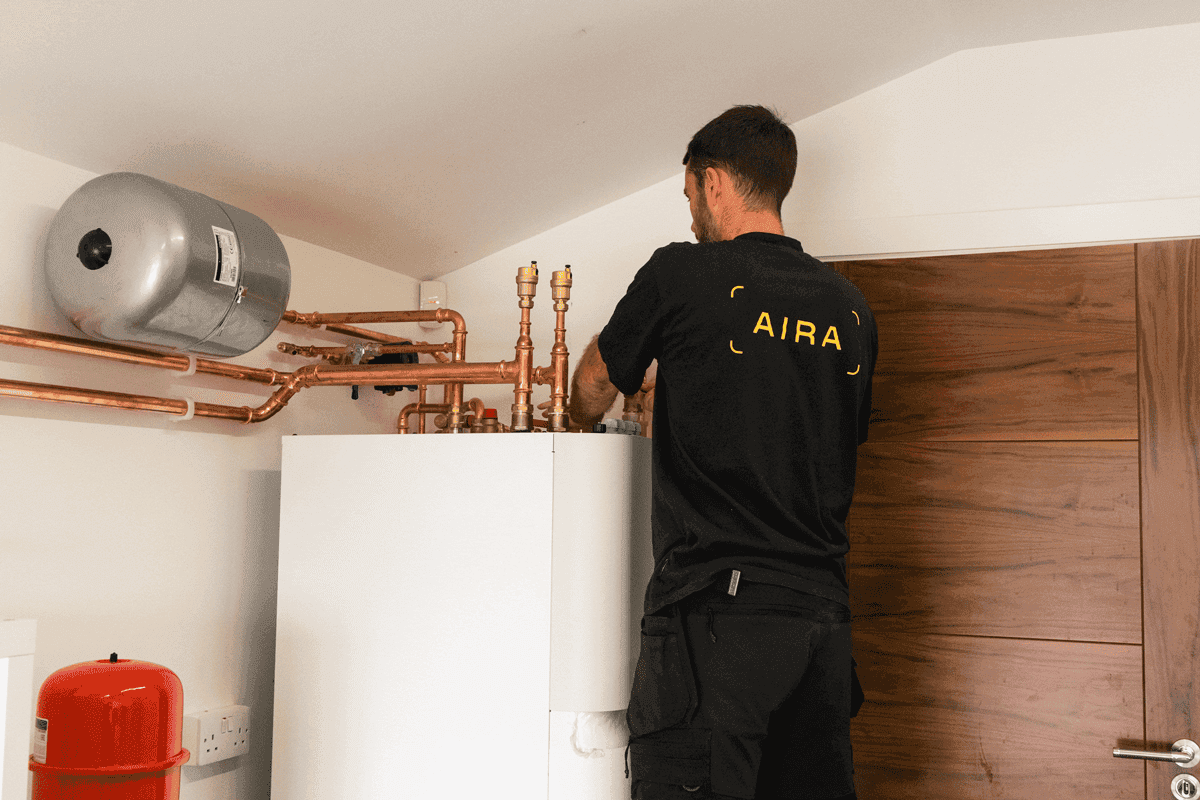
Installation warranty, product warranty and performance guarantee aren't the same thing
These three terms are often used interchangeably. But they shouldn't be, because they mean very different things. Let’s go through each one:
Installation warranty
As the name suggests, this covers how your heat pump was installed.
Think pipework, electrical connections, workmanship and whether everything was fitted correctly.
Under the redeveloped MCS scheme, domestic customers now receive at least six years of financial protection for installation issues.
Product warranty
This comes from the manufacturer and covers the heat pump itself. If a component develops a fault or defect during the warranty period, it'll usually be repaired or replaced.
How long that warranty lasts – and exactly what's included – depends on the manufacturer. While most product warranties cover replacement parts, they don't always include everything needed to get your system back up and running.
Depending on the manufacturer, they may not cover:
- labour
- call-out charges
- recommissioning the system
- replacement pipework
- system optimisation after installation
- de-installation or re-installation costs
Every manufacturer is different, so it's always worth checking exactly what's included before you choose a heat pump.
Performance guarantee
This is where things become very different.
A performance guarantee means someone is accountable if your heat pump doesn't perform as promised.
That's important because a heat pump isn't a plug-and-play appliance. How efficiently it runs depends on everything from how it's been designed and installed to how it's set up and optimised over time. Even small adjustments can make a big difference to your comfort and running costs.
Not every installer offers one. While some manufacturers and installer networks do provide performance-related guarantees, they're far less common than standard product warranties.
Without one, once your installation is complete, ongoing performance is often your responsibility. If your home isn't as warm as expected or your running costs are higher than planned, you'll usually need to raise the issue yourself and arrange for someone to investigate.
A performance guarantee changes that. It means someone is still there after installation, taking responsibility for making sure your system performs as it should.
What happens if your installer stops trading?
It's a question many homeowners don't ask until it's too late.
Until recently, the level of protection you received could vary depending on your installer and the financial protection they chose to offer. That's changed.
As part of the redeveloped MCS Installer Scheme, introduced in 2026, every domestic installation must now include an approved financial protection product. That means if your installer can't resolve an installation issue – for example, because they've stopped trading, retired or refused to carry out remedial work – you have a clear route to getting the problem put right. The new standard also introduces a minimum of six years' installation cover and a simpler claims process for homeowners.
It’s a big step forward. But it's important to understand what this protection is designed to do.
It protects you against installation defects when your installer is no longer able to honour their responsibilities. It doesn't replace the ongoing support that comes with owning a heat pump, like servicing, repairs, performance monitoring or making sure your system continues to run as efficiently as possible.
Questions to ask any heat pump installer
Whether you choose Aira or someone else, we'd recommend asking these questions before you sign anything:
- How long does your installation warranty last?
- Is labour included, or just replacement parts?
- Who pays for call-out costs?
- What happens if your company stops trading?
- Do you offer ongoing servicing?
- Will anyone monitor my system after it's installed?
- Do you offer a performance guarantee?
If the answers aren't clear, keep asking. Because the quality of your installer matters just as much as the heat pump itself.

Why Aira goes further with the all-inclusive plan
As an MCS-certified installer, we meet the same installation standards as every other accredited installer.
But we don't stop there. We’re so confident in the performance of our Aira Heat Pump and the way we install it, that every Aira customer gets our all-inclusive plan free for the first year.
At the heart of the all-inclusive plan is the 15-Year Aira Guarantee. It promises three things:
- Comfort Guarantee – your home stays cosy, even on the coldest day of the year.
- Performance Guarantee – your heat pump delivers at least 4X the heating efficiency of a typical gas boiler over the course of a year.
- Product & Installation Warranty – all parts, labour and the maintenance needed to keep your heat pump performing properly are included.
But that’s not all. The all-inclusive plan also includes proactive remote monitoring through Aira Intelligence, premium app features, maintenance visits, repairs and 24/7 customer support. In many cases, we can spot and resolve issues before you've even noticed them. If we can't fix something remotely, we'll arrange a visit to put it right.
It's so much more than protection if something goes wrong. It's aftercare, reimagined. Keeping your system running smoothly, so you never have to think about it.
Just the way it should be.
See how much you could save with an Aira Heat Pump
Answer 4 quick questions to get started
What type of house do you live in?

Related articles
Heat pumps: The basics
3 days ago
When a heat pump isn’t worth it – and what can change that
A heat pump can be a brilliant investment, but forcing one into a home that isn’t ready can lead to higher bills and cold rooms. Here’s when a heat pump may not be worth it yet – and the changes that can turn a no into a yes.

Heat pumps: The basics
13 Aug 2026
Your rights if your heat pump installation goes wrong
Has your heat pump installation gone wrong? Or worried it will go wrong? From MCS protections to the Consumer Rights Act to what to do if your installer stops trading, here's a straightforward guide to your rights and the steps you should take.

Heat pumps: The basics
4 Aug 2026
What a good heat pump installation actually looks like
A good heat pump installation is about much more than fitting an outdoor unit and connecting a few pipes. Here’s how to judge the survey, system design, workmanship, commissioning and aftercare – plus the red flags to look out for.
Heat pumps: The basics
17 Apr 2026
Do you need insulation before installing a heat pump?
Do you need to insulate your home before installing a heat pump? Not always. But the right level of insulation can make a big difference to performance, cost, and comfort.

Heat pumps: The basics
13 Apr 2026
Heat pump quotes: what to look for (and what to avoid)
Heat pump quotes can vary widely, but understanding what’s included makes all the difference. This guide explains what to look for, what to avoid, and how to choose a system that delivers real comfort and long-term value.

Heat pumps: The basics
2 Dec 2025
Do heat pumps work in older homes?
Thinking heat pumps are just for new builds? Think again. Many older homes can run a heat pump efficiently and affordably – cutting energy bills, reducing carbon emissions, and future-proofing your home. Just as a heat pump in a newbuild home would.