3 April 2026
9 min read
Adding a battery to existing solar panels: what to know in 2026

Published on
3 April 2026
Time to read
9 minutes
Key takeaways
- Yes, you can add a battery to existing solar panels: In most cases, battery storage can be retrofitted to an existing solar PV system, though some setups may require an inverter upgrade.
- Battery storage helps you use more of your own solar energy: Instead of exporting electricity during the day and buying it back later, you can store it and use it in the evening when electricity prices are often higher.
- The best results come from a connected system: With Aira, your existing solar panels, the Aira Power Store and the Aira Power Hub work together as part of the Aira Home Energy System, optimised by Aira Intelligence.
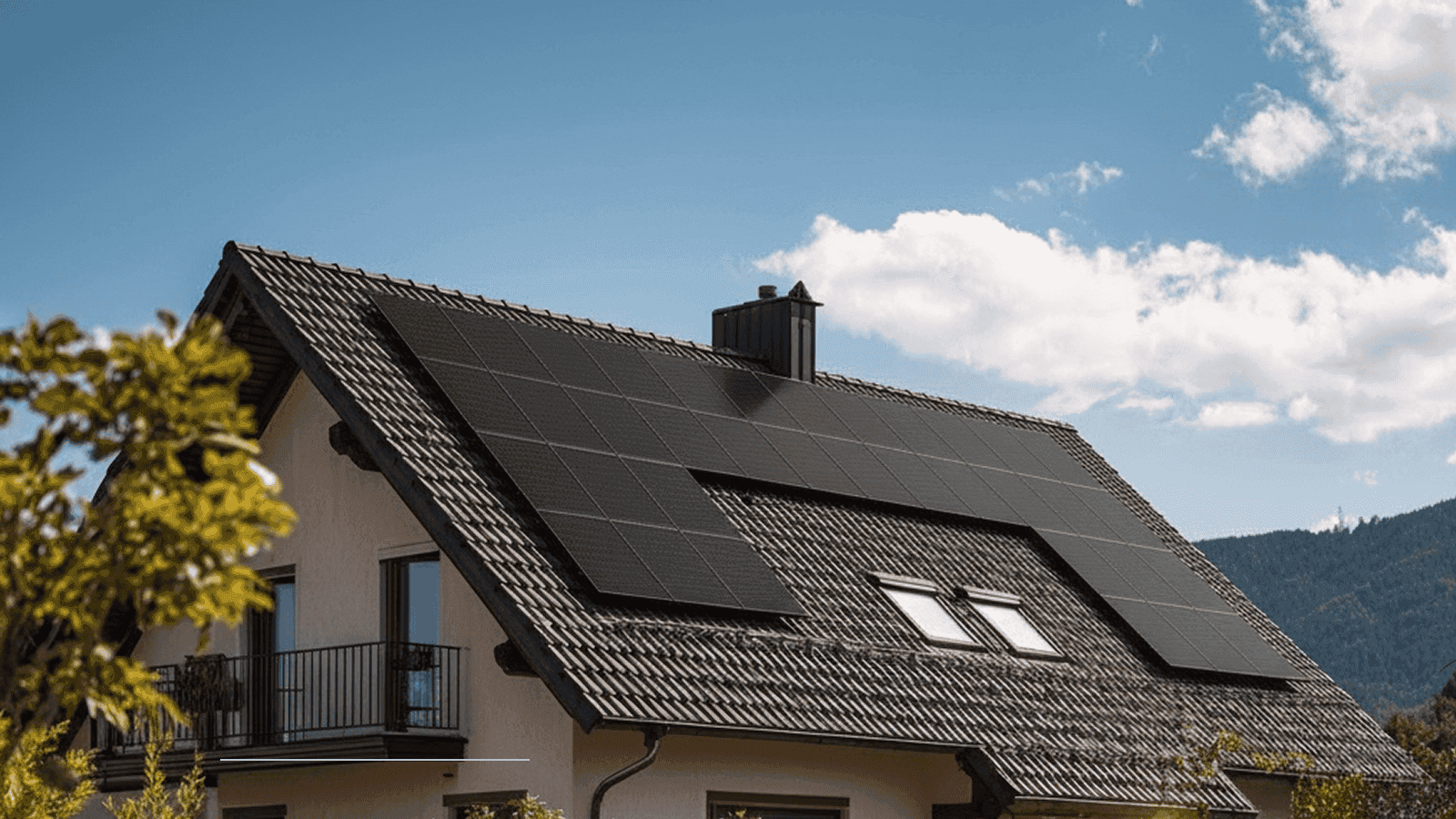
Already have solar panels? Then you’re already generating your own electricity.
But without a battery, a lot of that energy leaves your home before you get the chance to use it. It goes to the grid during the day, then you buy electricity back later when prices are often higher.
That’s where home battery storage for solar panels changes things.
A home battery lets you keep more of the electricity your solar panels produce, use it later in the day, and rely less on the grid. And if you’re on a smart tariff, it can also store cheaper off-peak electricity from the grid for when you need it most – like in the evening when electricity prices peak.
If you’re thinking about adding a battery to existing solar panels in the UK, here’s what to know.
Can you add a battery to an existing solar system?
In most cases, yes.
If you already have solar panels, battery storage can usually be added later. This is often called a solar battery retrofit – adding storage to an existing solar PV system so you can store more of the energy your panels generate.
But the right setup depends on how your current system was installed and what equipment you already have. The most important component is the inverter.
Some homes already have a hybrid inverter that can work with a battery. Others need a new inverter or additional equipment to make battery storage possible.
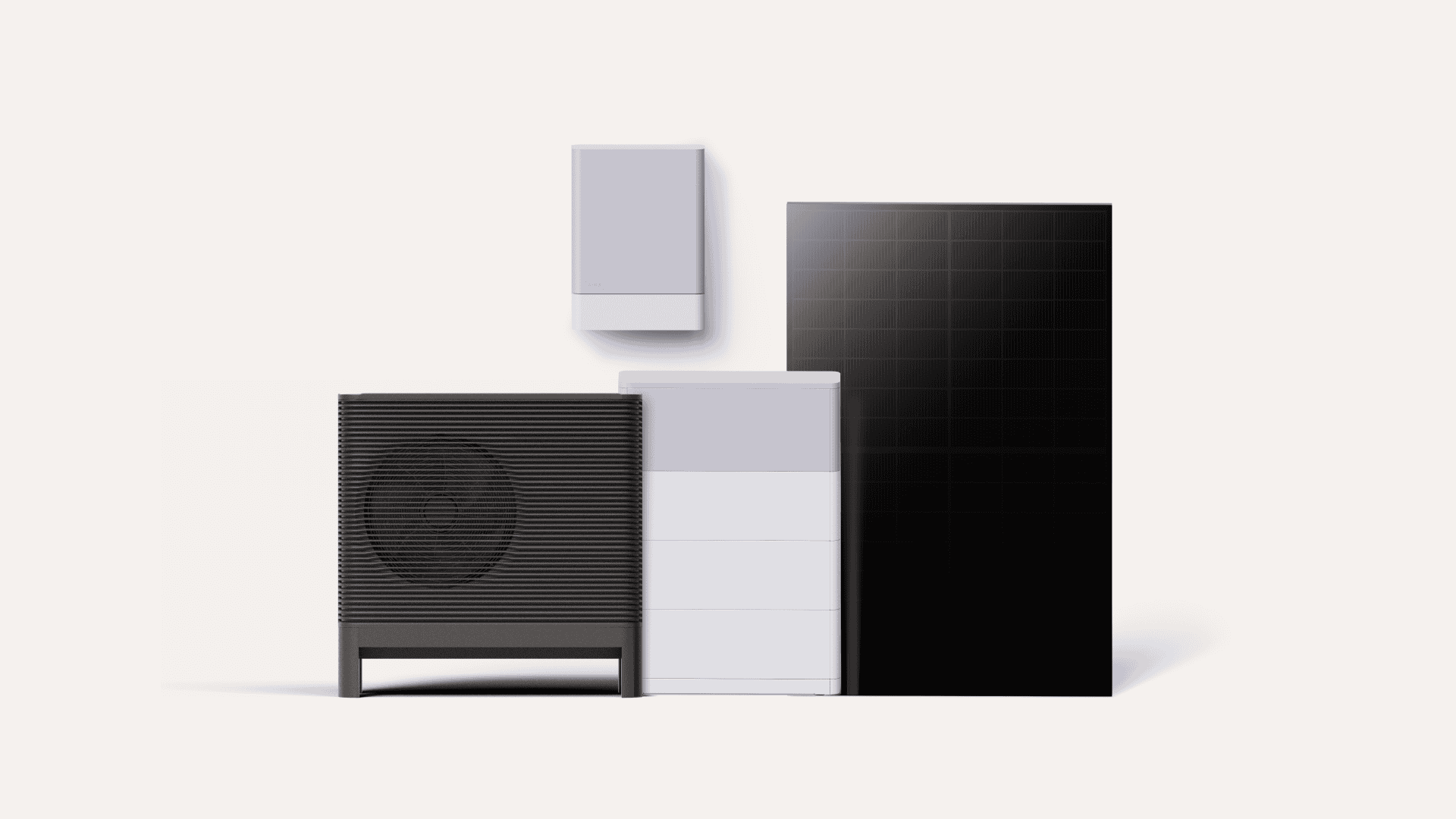
With Aira, the route is simple: the Aira Power Store is installed as part of the Aira Home Energy System, alongside an Aira Heat Pump. If you already have solar panels, they can still work with the system – but we install the Aira Power Hub (our intelligent hybrid inverter) so everything works together properly and can be optimised by Aira Intelligence.
So yes, you can add battery storage to existing solar panels in the UK. But the best results come from making sure the battery, inverter and wider system are designed to work together.
Why add a battery now?
Because the value of storing your own electricity has never been clearer.
If your panels produce more electricity than your home needs during the day, that surplus is usually exported to the grid. Under the Smart Export Guarantee, suppliers pay you for exported electricity – but rates vary by tariff and supplier.
At the same time, the electricity you buy back from the grid is often worth much more to you than the electricity you sell.
A battery helps flip that around.
Instead of exporting your solar electricity during the day and importing electricity from the grid in the evening, you store that energy and use it later.
That means:
- more of your own solar electricity stays in your home
- less grid electricity is needed in the evening
- smart tariffs become even more useful
- your energy bills can fall further
There’s also the upfront cost to consider. Qualifying solar and battery installations currently benefit from 0% VAT, which reduces the cost of installing battery storage for solar panels in the UK.
How battery storage is added to existing solar panels
There are two main ways battery storage can be retrofitted to an existing solar PV system.
AC-coupled battery systems
This is often the simplest retrofit solar battery setup.
The battery works alongside your existing solar inverter and connects to your home’s electrical system separately. It can store energy generated by your solar panels or electricity imported from the grid.
AC-coupled systems are often used when the existing solar inverter is kept in place.
DC-coupled battery systems
This approach is more integrated. It usually involves installing a hybrid inverter that manages both the solar panels and the battery together.
This can improve efficiency and allows the system to work more intelligently.
With Aira, we install the Power Hub, which acts as the central inverter for the system. It converts electricity, manages how energy flows between your solar panels, battery, heat pump and the grid, and enables everything to be optimised by Aira Intelligence.
The result is a system designed to work together from day one – rather than separate technologies working independently.
What needs to be checked first before adding a home battery?
Before adding a battery to an existing solar setup, there are a few things worth looking at.
1. Your current inverter
This is the big one.
Your existing inverter determines how easily battery storage can be added. Some systems can be adapted. Others need an upgrade.
With Aira, we install the Aira Power Hub so the battery, your existing solar panels and your Aira Heat Pump can work as one connected system.
2. Your solar generation
Battery storage works best when your solar panels regularly produce more electricity than your home uses during the day.
If you’re exporting a meaningful amount of electricity already, a battery can help you keep more of it for later.
3. Your energy use
Homes with higher evening electricity use often benefit most from battery storage, because that’s when stored solar energy becomes valuable.
If you’re out during the day and home in the evening, a battery usually makes even more sense.
4. Your available space
Home batteries are compact, but they still need the right installation space.
That could be a garage, utility room or another suitable indoor location. We’ll check this as part of the assessment.
5. Your wider system
If you’re planning to add a heat pump later – or want one system that can grow with your home – it’s worth thinking beyond the battery alone.
That’s where an integrated system becomes more valuable than a one-off add-on.
Can a home battery charge from the grid?
Yes – and this can unlock even greater savings.
Most modern home batteries can store electricity from the grid as well as from solar panels. This means you can charge the battery during cheaper off-peak tariff periods, then use that stored electricity later when grid prices are higher.
For example, some smart tariffs offer very low overnight electricity rates. Your battery can charge during those hours and power your home the next day or evening.
With the Aira Home Energy System, the Power Hub and Aira Intelligence help manage when electricity is used, stored or imported – so your home can take better advantage of these tariff windows.
The result is a home that doesn’t just generate energy, it uses it more intelligently too.
Why battery chemistry matters
Not all home batteries are built the same way.
Two of the most common battery chemistries are NMC and LFP. For home energy storage, LFP (Lithium Iron Phosphate) is often the stronger choice. It offers:
- a longer lifespan
- strong safety performance
- slower degradation over time
- stable performance in everyday home use
That’s why Aira uses LFP battery technology in the Aira Power Store.
If you’re installing battery storage for the long term, chemistry matters. This isn’t just about adding storage for now. It’s about choosing a system that’s built to last.
Why modular battery storage matters
One of the biggest questions homeowners ask is: how much battery storage do I need?
And the honest answer is: it depends.
Your ideal battery size depends on how much solar electricity you generate, how much electricity you use, and when you use it. That’s why modular storage matters.
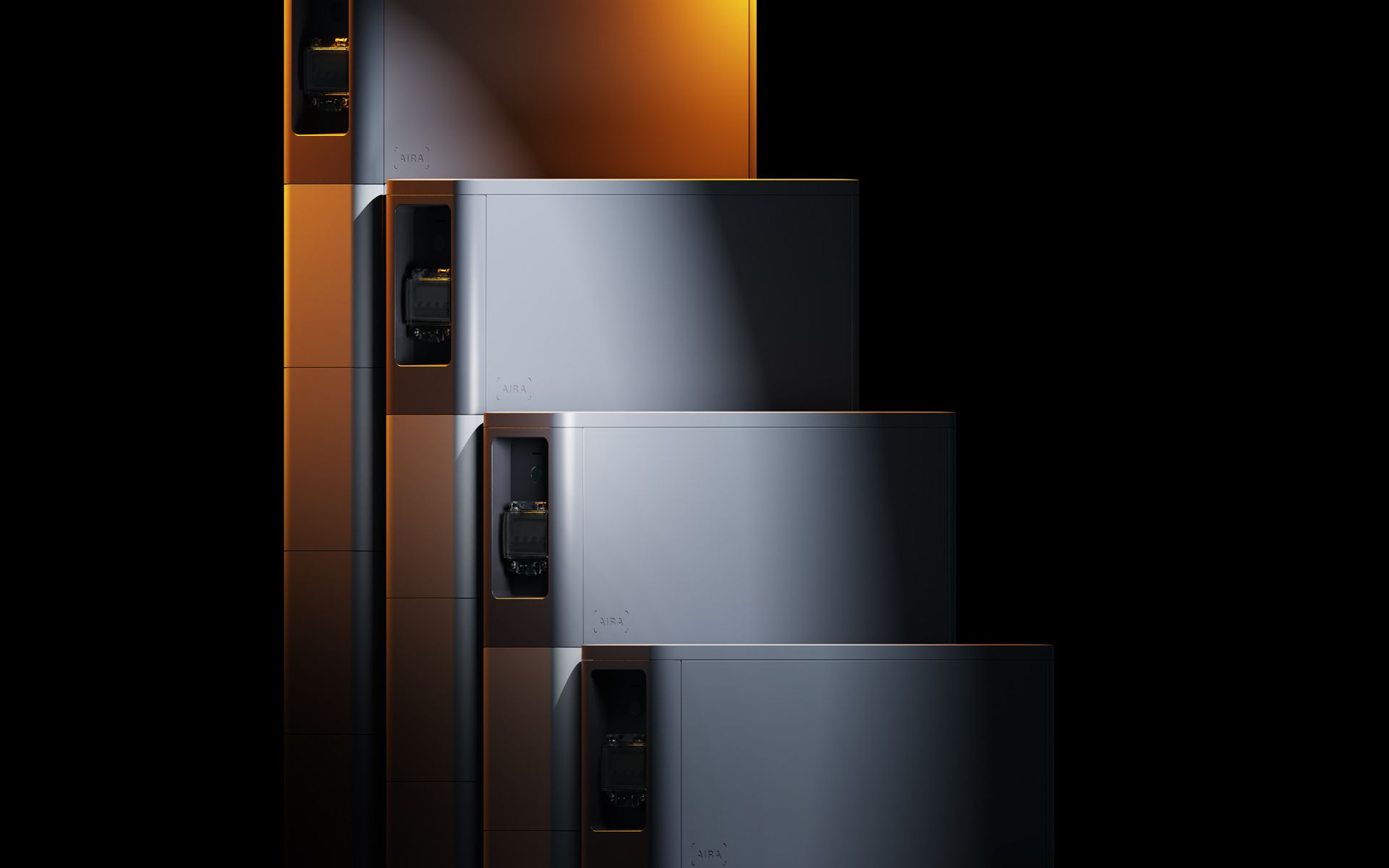
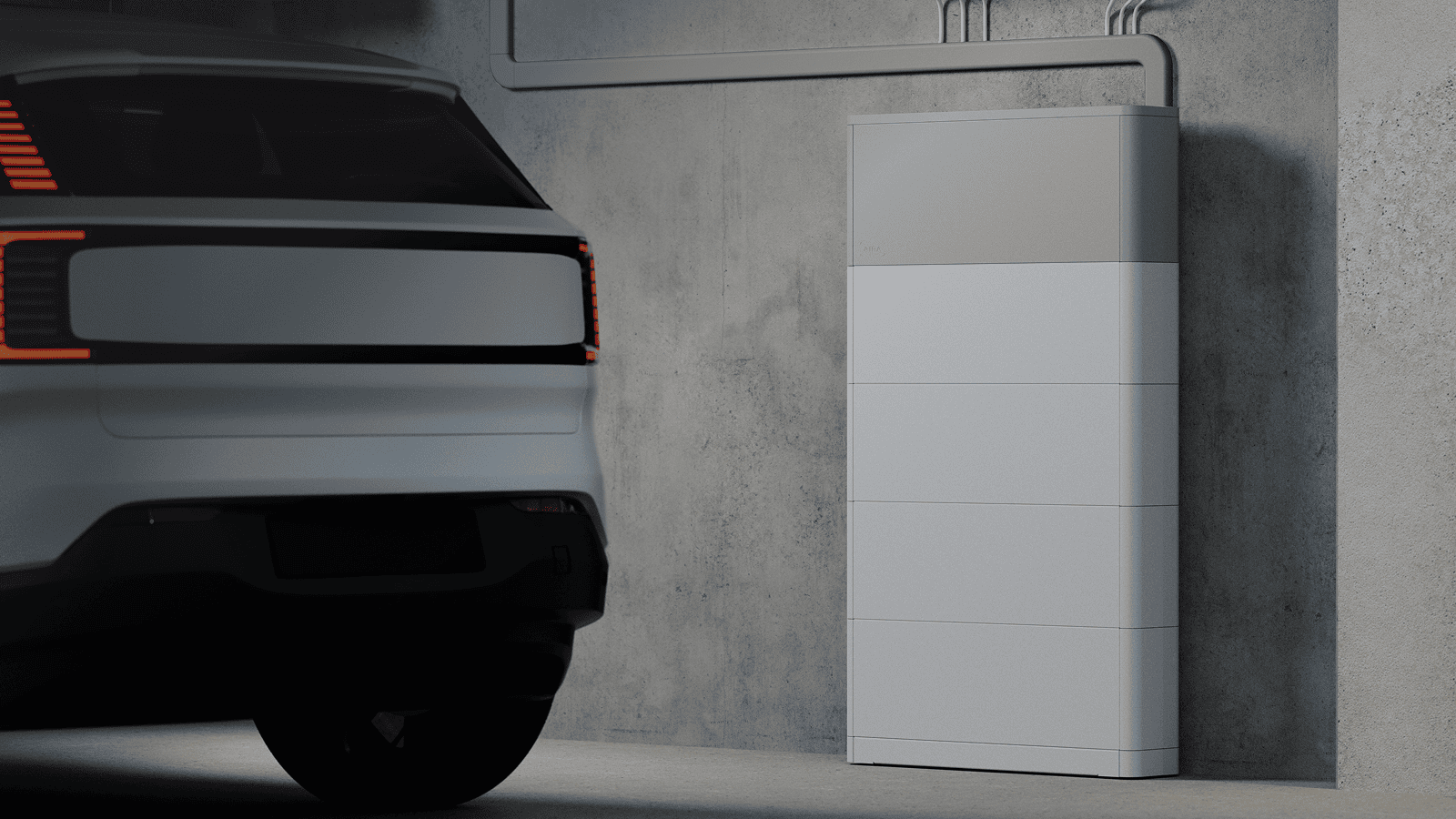
The Aira Power Store starts at 6.7 kWh and can be expanded up to 20 kWh over time.
That means you can:
- start with what suits your home today
- add more storage later if your needs grow
- future-proof your system without replacing everything
So if you later add an EV, increase your electricity use, or want to store more cheap off-peak energy, your system can grow with you.
How much does it cost to add battery storage?
The cost depends on your current setup, how much storage you want, and whether your inverter needs upgrading.
Because every existing solar system is different, the only reliable way to price adding battery storage to solar panels in the UK is with a compatibility assessment.
That’s especially true if your current inverter needs replacing or your system layout needs updating.
We’ll find this out and calculate your bespoke quote during your free home energy assessment.
How long does installation take? And what happens when battery storage is installed?
Adding battery storage to an existing solar system is usually quick and straightforward.
With Aira, the process typically looks like this:
1. Free home energy assessment
We start with a free home energy assessment to review your current solar system, electricity use and available installation space.
2. System design
Our team designs the right battery setup for your home and checks compatibility with your existing solar panels.
3. Installation
Our technicians install the Aira Power Store and Power Hub, connect everything safely to your home’s electrical system, and test the setup.
4. App setup and handover
Finally, we connect your system to the Aira app, show you how to monitor your energy use, and make sure everything is running as expected.
In many cases, installation takes just one to two days.
Is it worth adding a battery to existing solar panels?
For many homes, yes.
If your solar panels are already generating electricity during the day, battery storage helps you get more value from what you already have.
It means more self-consumption. Lower dependence on the grid. And more control over when and how your home uses electricity.
It can be especially worthwhile if:
- you’re exporting a lot of solar electricity today
- your home uses more electricity in the evening
- you’re on a smart tariff
- you want one connected system that can support a heat pump too
The Aira difference
A lot of battery retrofits are treated like add-ons. At Aira, we take a different approach.
We install battery storage as part of the Aira Home Energy System. That means your Aira Heat Pump, existing solar panels, Power Store battery and Power Hub inverter are designed to work together – and optimised by Aira Intelligence.
So instead of separate technologies doing separate jobs, your home energy system works as one.
That’s how you unlock better performance, better control and better savings.
Can the Aira Power Store work with existing solar panels?
Yes – in most cases it can.
If you already have solar panels installed, they can still be part of your home energy system. The key is making sure everything works together properly.
With Aira, we install the Aira Power Hub, our intelligent hybrid inverter. This allows your existing solar panels, the Aira Power Store battery, and your Aira Heat Pump to operate as one connected system.
That means:
- your solar panels can still generate electricity as normal
- surplus solar energy can be stored in the Power Store instead of exported immediately
- the whole system can be optimised by Aira Intelligence
During your free home energy assessment, we’ll check your current solar setup and confirm exactly how battery storage can be integrated.
Want to know if your solar system is compatible?
If you already have solar panels and want to add battery storage, the first step is checking what your current system can support.
During your free home energy assessment, we’ll assess your setup, explain what would be needed, and show you how the Aira Power Store could work with your existing solar and an Aira Heat Pump.
To arrange yours, or to speak to one of our experts, answer a few quick questions about your home.
What type of house do you live in?

Related articles
Costs & benefits
4 days ago
Europe’s energy independence starts at home
Europe’s reliance on imported fossil fuels leaves countries – and household energy bills – exposed to events beyond their control. See how a heat pump, solar panels and home battery can work together to lower costs and bring greater energy independence home.
Solar & battery
19 Sept 2026
Can solar panels power a heat pump entirely?
Solar panels can power your heat pump. But only when they’re generating enough electricity. Discover how winter, battery storage and smart controls like Aira Intelligence determine how much of your heating can come straight from your roof.
Solar & battery
19 Jun 2026
Solar panel cost UK: how much are solar panels in 2026?
Solar panels can significantly reduce how much electricity you buy from the grid, but how much do they actually cost? Discover average UK solar panel installation prices in 2026, what affects the final cost and whether adding battery storage is worth it.
Solar & battery
12 Jun 2026
Are solar panels worth it in 2026?
Are solar panels worth it in 2026? For many UK homeowners, yes. Discover how much solar panels can save, when they might not be worth it, and why pairing them with a heat pump, battery storage and Aira Intelligence can unlock even bigger savings.

Solar & battery
30 Apr 2026
How to become energy independent in the UK
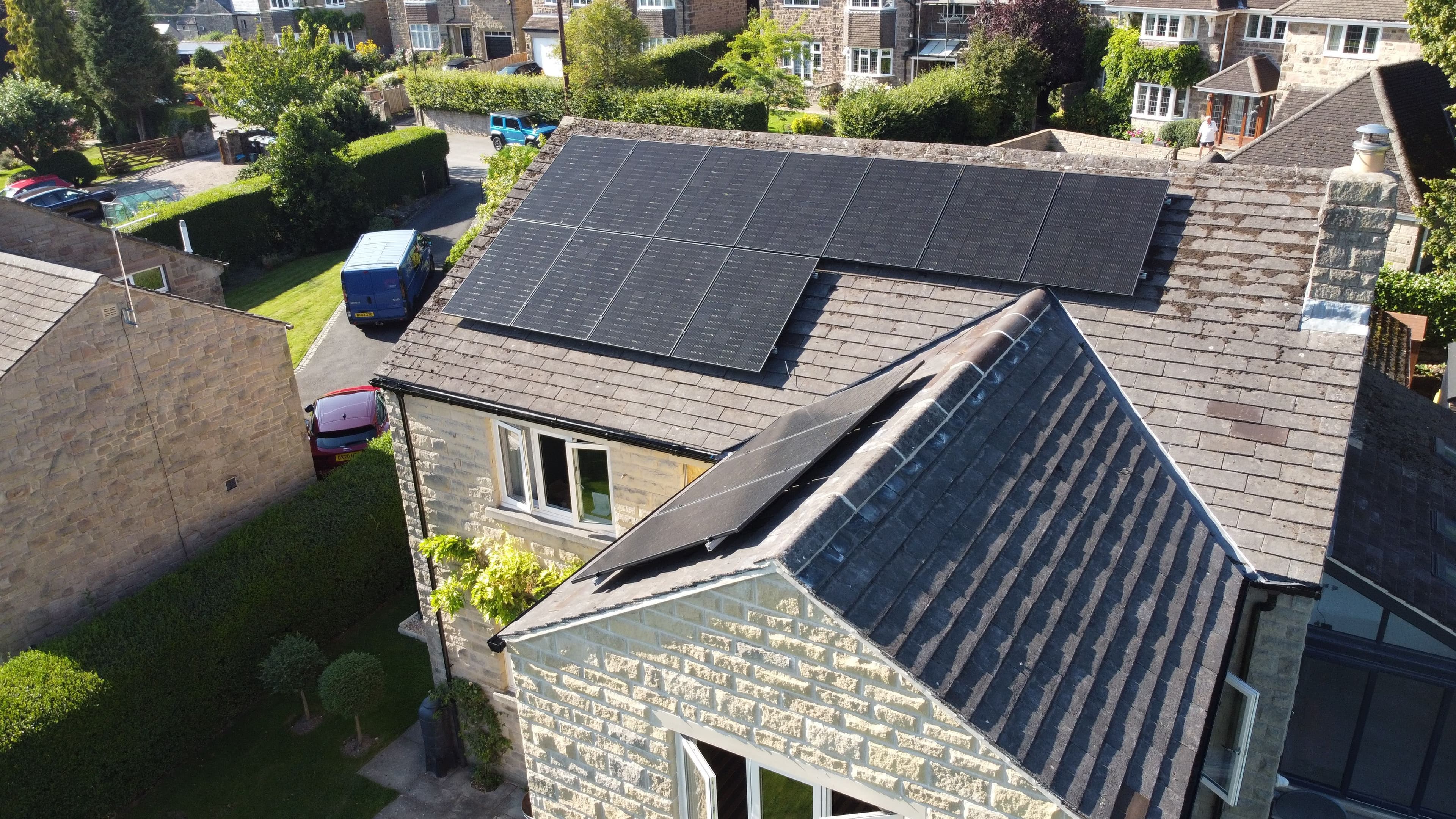
Energy independence doesn’t mean going off-grid – it means generating, storing and using more of your own energy at home. With solar panels, battery storage and a heat pump working together, you could reduce your energy costs by up to 80% and take control of how your home is powered.
Solar & battery
30 Apr 2026
Solar panel grants and incentives in 2026
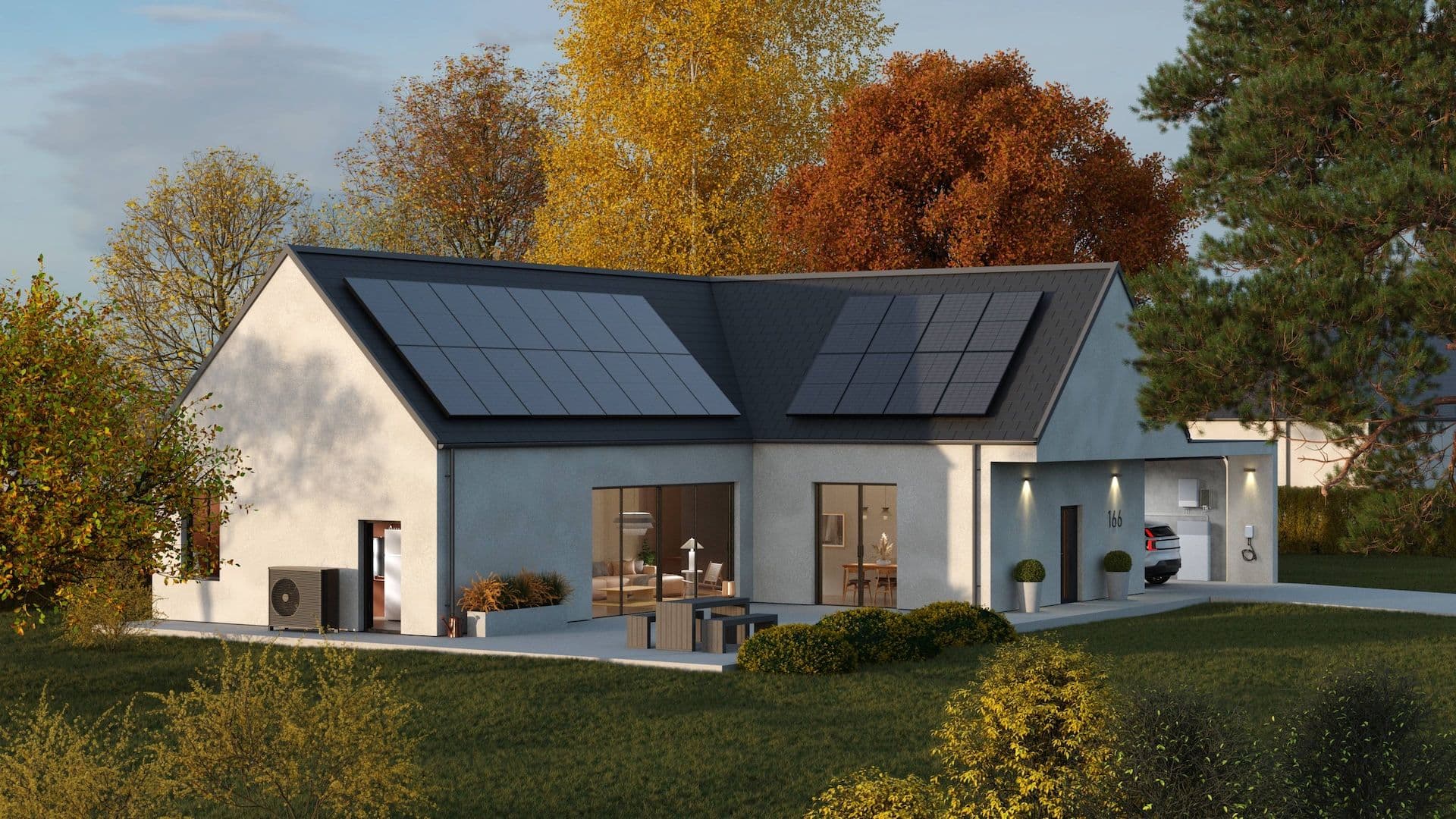
Solar panel grants in 2026 are more limited than many expect, but there are still ways to reduce costs and maximise savings. From 0% VAT to Smart Export Guarantee payments, here’s what’s actually available and how solar, battery storage and heat pumps work together to lower your energy bills.
Costs & benefits
26 Mar 2026
What is a home energy ecosystem – and how does it work?
A home energy ecosystem connects solar panels, a home battery and a heat pump so they work together as one intelligent system. Instead of relying on the grid for everything, your home can generate, store and use its own energy – cutting energy bills and giving you more control over how your home is powered.

Performance & reliability
24 Mar 2026
Home power inverter: What it does and why your home energy system needs one
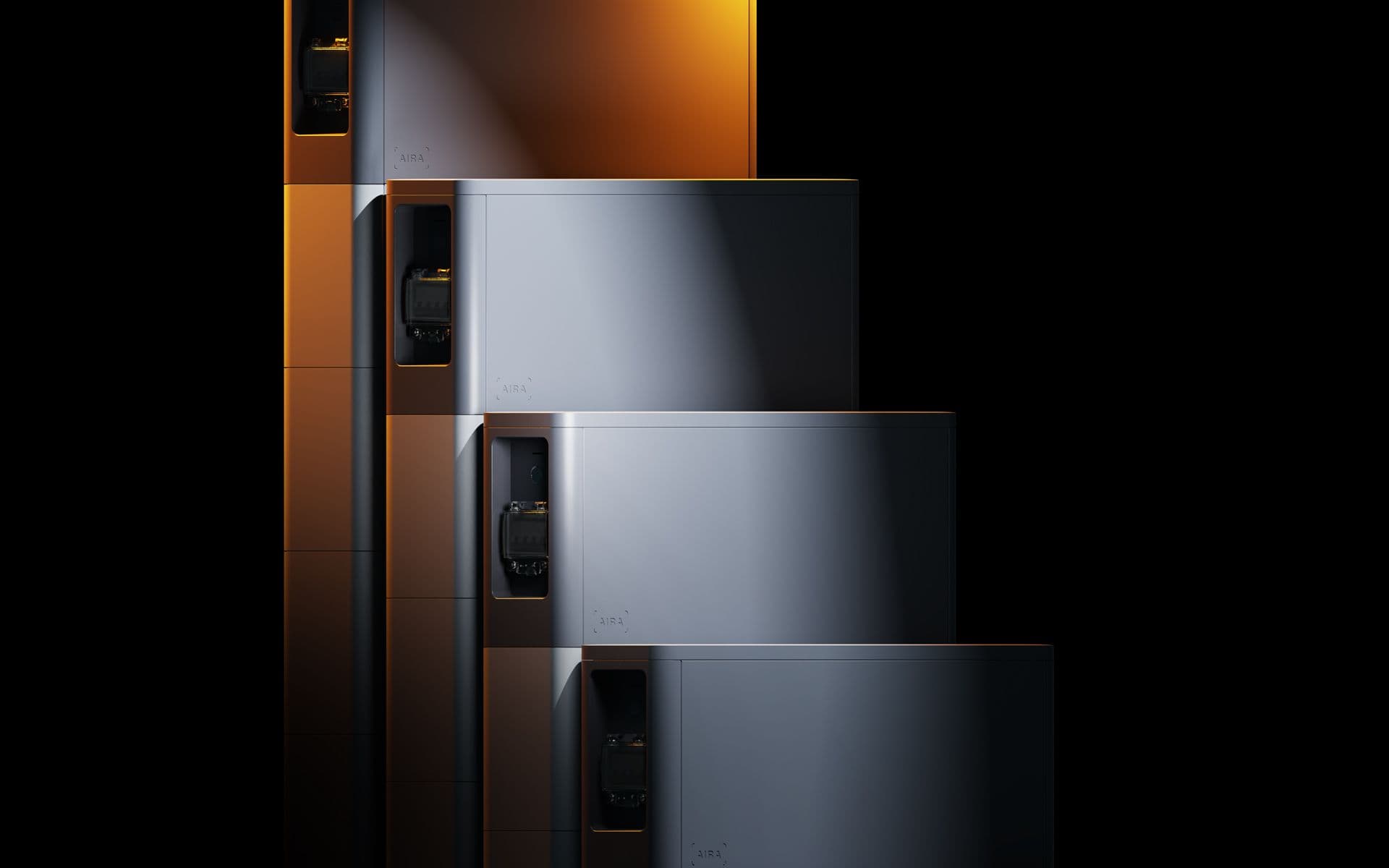
A home power inverter converts solar electricity into the power your home can use. In modern systems, hybrid inverters and smart power hubs also manage battery storage, smart tariffs and how energy flows around your home.
Performance & reliability
22 Feb 2026
Heat pump and battery storage: the ideal combination for your home
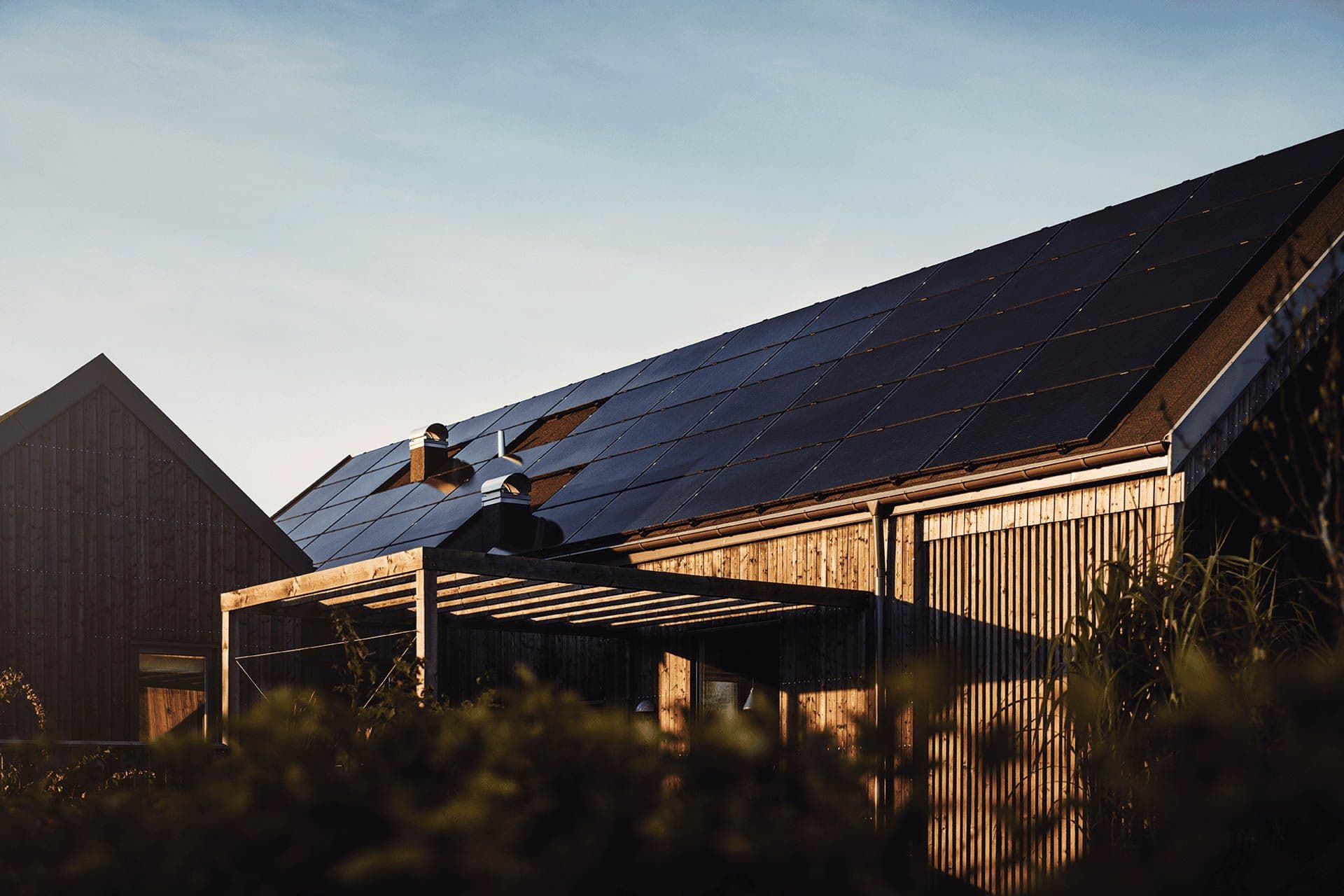
Energy prices are unpredictable. And more homeowners want control. The idea of a self-sufficient home – one that generates, stores and uses its own clean energy – isn’t futuristic anymore. It’s possible today. One of the smartest ways to get there? Combine a heat pump with a home battery.
Solar & battery
6 Jan 2026
Solar panels with home battery storage: is it worth it?
Solar panels generate free, 100% clean energy, but a home battery is what helps you use more of it. By storing excess solar power for later, battery storage can make solar far more effective. Here’s why solar and batteries belong together. And where Aira fits in.