19 June 2026
9 min read
Solar panel cost UK: how much are solar panels in 2026?

Published on
19 June 2026
Time to read
9 minutes
Key takeaways
- Typical solar panel installations in the UK cost between £5,000 and £8,000, rising to around £9,000 to £14,000 when battery storage is included.
- The final price depends on factors like system size, number of panels, roof complexity, inverter choice and battery storage.
- Pairing solar panels with a battery, heat pump, and smart optimisation like Aira Intelligence can increase savings by helping you use, store and sell more of your own energy.
Solar panels are one of the smartest ways to cut how much electricity you buy from the grid.
But let’s get to the question you’re really here for… How much do solar panels cost in the UK?
In 2026, a typical UK solar panel installation usually costs around £5,000 to £8,000 for solar panels alone. Add battery storage, and the total cost is often closer to £9,000 to £14,000.
That’s the broad answer. The honest answer? It depends on your home.
Your roof, system size, number of panels, inverter, battery, scaffolding and installation complexity all affect the final price. That’s why a proper solar install quote is always based on your home, not a one-size-fits-all package.
Solar panel costs in the UK at a glance
Here’s a rough guide to what homeowners can expect to pay for solar panels.
Home type | Typical system size | Solar only | Solar with battery |
Small home | 2-3kW | £4,000–£6,000 | £8,000–£11,000 |
Average family home | 3-4kW | £5,000–£8,000 | £9,000–£14,000 |
Larger home | 5-6kW | £7,500–£10,000 | £12,000–£18,000 |
These are broad UK averages. Your actual solar panel installation cost will depend on your home, roof and energy use.
At Aira, we’ll give you a personalised price during your free home energy assessment. We’ll look at your roof, how much electricity you use and what you want your system to do before designing the right setup for your home.
What affects solar panel installation cost?
Solar panel cost is not just about the panels.
A complete solar installation includes design, equipment, roof work, electrical work, installation and connection to your home. Here’s what can change the final price.
1. System size and number of solar panels
The more solar panels you install, the more your system will usually cost.
But more panels can also mean more free electricity from your roof. That can improve your long-term savings, especially if you use a lot of electricity or plan to power a heat pump, electric vehicle or home battery.
Solar systems are usually sized in kilowatts (kW), which refers to the maximum amount of electricity they can generate under ideal conditions. But, we know that most homeowners think about system size in terms of the number of panels on their roof.
So, here’s a rough guide to help:
- A 2-3kW system typically includes around 5-8 solar panels.
- A 3-4kW system typically includes around 8-10 solar panels.
- A 5-6kW system typically includes around 11-14 solar panels.
- Larger systems may include 15 panels or more.
The exact number depends on the wattage of the panels being installed. Higher-efficiency panels can generate more power from fewer panels.
A smaller home may only need a 2-3kW system. A typical family home may need around 3-4kW. Larger homes, or homes with higher electricity use, may need 5-6kW or more.
That’s why the right system size is not just about roof space. It’s about how your home uses energy, both today and in the future.
2. Solar panel efficiency
Not all solar panels produce the same amount of electricity.
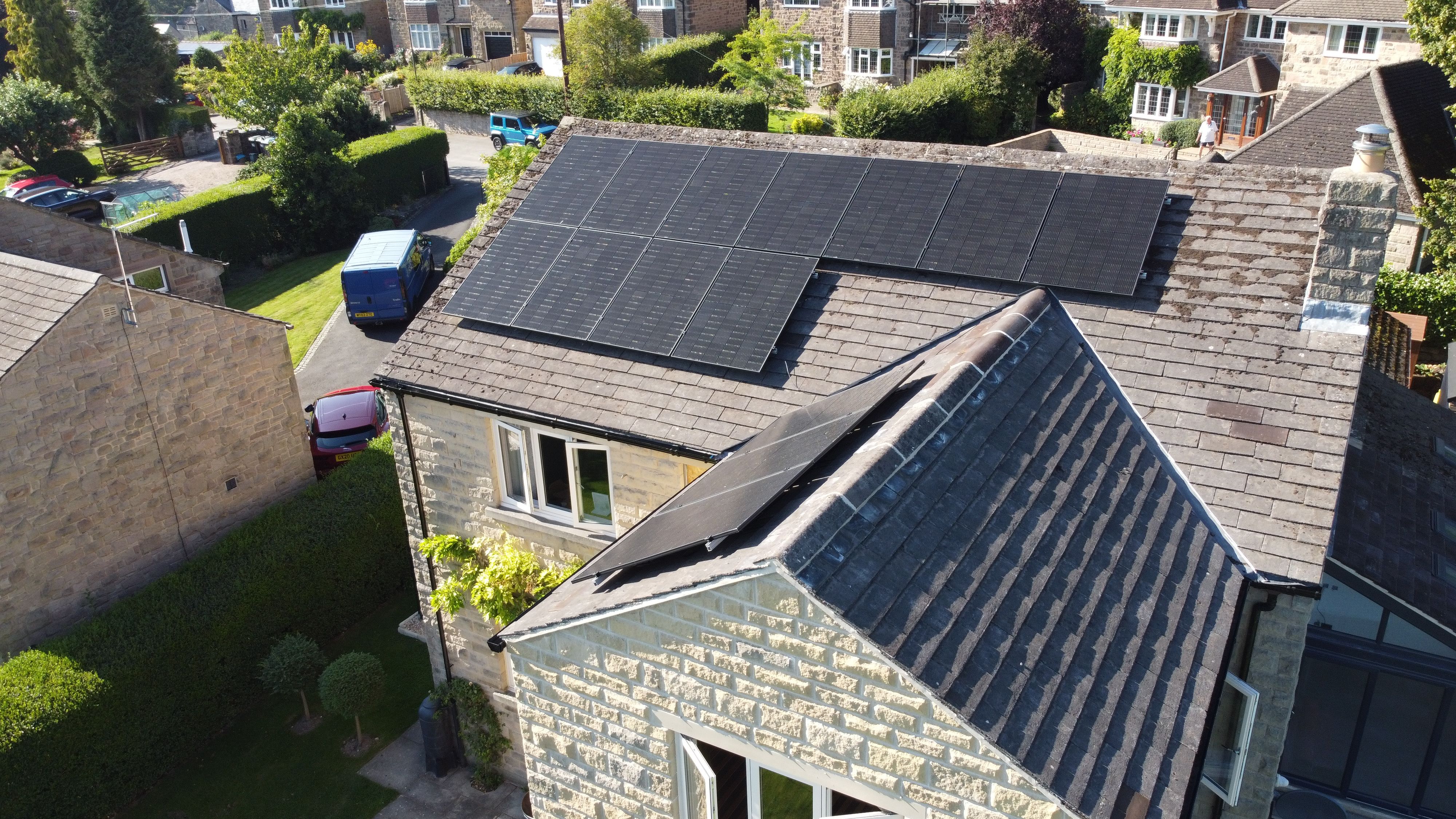
Higher-efficiency panels can generate more power from the same roof space. That can be especially useful if your roof is smaller or you want to get as much energy as possible from the panels you can fit.
Aira solar panels deliver up to 470W of power with 23.5% efficiency. In simple terms, that means more clean electricity from every panel.
But generating electricity is only part of the story. Getting the most value from that electricity matters too.
That’s why Aira solar panels are powered by Aira Intelligence. Smart AI that predicts how much solar energy your panels are likely to generate, how much electricity your home needs and when energy prices are highest.
Using that information, it can help decide when to use your solar electricity, when to store it in an Aira Power Store battery and when it makes most sense to export it back to the grid.
The result? More of your own solar energy used at home. Less electricity bought from the grid. And greater savings without needing to lift a finger.
3. Your inverter
Every solar panel system needs an inverter.
Solar panels generate direct current electricity (DC). Your home uses alternating current electricity (AC). The inverter converts one into the other, so the electricity from your panels can power your home.
It’s a critical part of the system, so it needs to be properly sized and installed.
With Aira, every solar installation includes the Aira Power Hub. It’s the energy hub at the heart of your system. It not only converts electricity, but it also balances energy flowing between your solar panels, Power Store battery, home and the grid.
4. Solar String Optimisers
Not all solar systems are built in the same way.
When solar panels are connected together, the performance of one panel can affect the performance of others. If a panel is shaded by a chimney, tree or neighbouring building, it can reduce the amount of electricity generated by the wider system.
That’s why some solar installations include optimisation technology.
Aira solar panels are connected to award-winning Solar String Optimisers. They continuously regulate voltage and current across the system to help every panel perform at its best, including panels that receive less sunlight throughout the day.
They also simplify the wider system design. Because they require fewer, thinner cables, installation can be simpler and future expansion is easier. If you decide to add more solar panels later, additional optimisers can be added without complex rewiring or replacing your inverter.
In short, our Solar String Optimisers help:
- Maximise power generation across the system
- Reduce the impact of shade on performance
- Simplify future expansion
- Reduce system complexity with fewer cables
5. Roof type and installation complexity
Some roofs are easier to work with than others.
Your solar panel installation cost may be higher if your roof is steep, difficult to access, spread across multiple roof faces or needs extra mounting equipment.
Shading also matters. Trees, chimneys and nearby buildings can all reduce how much electricity your panels generate. That does not always mean solar is impossible, but it may affect the system design and expected savings.
During a free home energy assessment, we check your roof size, angle, direction and shading before recommending a viable system.
6. Scaffolding
It’s no secret… Most solar panel installations need scaffolding.
It keeps the installation team safe and allows the panels to be fitted properly. The cost depends on your property and how easy your roof is to access.
This is one of the reasons two homes with the same number of panels can still have different installation costs.
7. DNO applications and grid connection
If you want to sell excess solar electricity back to the grid, your system may need approval from your local Distribution Network Operator (DNO).
This is a standard part of many solar installations and helps make sure the grid can safely handle the electricity your panels generate, so any excess can be sold back to the grid.
The good news? You don’t need to do anything yourself. A good installer will handle the paperwork, manage the process and let you know if anything affects your installation.
How much does solar battery storage cost?
Adding a solar battery increases the upfront cost of your system.
For many UK homes, solar with battery storage typically costs around £9,000 to £14,000, although larger systems can cost more.
So why add one?
Because without a battery, your home uses solar electricity as soon as it is generated, and any excess can be sold back to the grid. If you have a battery, you can store more of your own solar energy and use it later. Like in the evening, when your panels are no longer generating. Or when electricity prices are at their highest.
That means less electricity bought from the grid and more of your own clean energy used at home.
Is a solar battery worth the extra cost?
For many homes, yes.
A battery can help you use more of the electricity your solar panels generate, which can improve your savings and reduce your reliance on the grid.
It becomes even more useful when paired with a smart tariff. You can store solar energy when you have it, avoid buying electricity during peak periods and, with the right setup, sell excess electricity back to the grid when prices are more favourable.
The Aira Power Store is designed to do exactly that.
Powered by Aira Intelligence, your system can predict how much solar you’ll generate, understand how much energy your home needs, and help decide when to use, store or sell electricity.
That means your solar panels and battery do not work as separate pieces of kit. They work together as part of one smarter home energy system.
What hidden solar installation costs should you watch for?
A good solar quote should be clear about what is included. Here are some costs worth checking before you commit.
Scaffolding
Is scaffolding included in the quote? Most homes need it.
Roof work
If your roof needs repairs or extra preparation before panels can be fitted, that may add cost.
Electrical upgrades
Some homes may need electrical work before solar can be connected safely.
DNO applications
Ask whether the grid connection paperwork is included and whether there could be extra charges.
Battery compatibility
If you might add a battery later, check whether your system is designed to make that simple. Future upgrades can cost more if your original setup was not designed with expansion in mind.
Inverter replacement
Some inverters may need replacing during the life of your solar panels. It’s worth understanding warranty length and expected lifespan before choosing a system. A Power Hub inverter is protected by the Aira Guarantee, which is free for the first year. That means if anything goes wrong with your system, we’ll come and fix it.
We also design your solar system around your home, energy use and future plans. That helps avoid surprises later.

How much can solar panels save?
Solar panels reduce how much electricity you need to buy from the grid.
The more solar electricity you use at home, the more you can save. That could mean powering appliances, charging a battery, running a heat pump or helping power an electric vehicle. You can also sell the electricity you don’t use back to the grid through a solar export tariff.
But the biggest savings usually come when solar is part of a complete home energy system.
Switch from a gas boiler to an Aira Heat Pump and you could save up to £490 a year on your energy bills. Add solar panels and the Aira Power Store home battery, and you could slash your annual energy bills by up to £1,392. That’s before you add potential earnings from selling excess solar back to the grid.
How long do solar panels take to pay for themselves?
Solar panel payback depends on:
- How much your system costs
- How much electricity it generates
- How much electricity you use at home
- Your electricity tariff
- Your export tariff
- Whether you add battery storage
- Whether your solar also helps power a heat pump or EV
As a general rule, the more solar electricity you use yourself, the faster your system can pay back.
That’s because using your own electricity usually saves more than exporting it. A battery can help by storing solar energy for later, so more of the electricity your roof generates stays in your home.
Can I get a solar panel grant?
Solar panel grants and funding change regularly. As of 2026, there’s currently 0% VAT on residential solar panel and battery installations, which helps reduce the upfront cost.
Some households may also be eligible for government, local authority or energy supplier support, depending on their circumstances.
We’ve covered this in more detail in our solar panel grants guide.
So, how much will solar panels cost for your home?
Every home is different. So is every solar system.
A small system on a simple roof will cost less than a larger system with battery storage, multiple roof faces and extra electrical work.
That’s why the best way to understand your solar panel installation cost is to get a proper home energy assessment.
At Aira, we’ll check your roof, look at your energy use and design a solar system around your home. Then we’ll show you what it could cost, how much electricity it could generate and how much you could save.
No guesswork. No one-size-fits-all quote. Just a solar system designed around your home.
See how much you could save
Answer 4 quick questions about your home to get started
What type of house do you live in?

Related articles
Solar & battery
19 Jun 2026
How to choose solar panels in 2026: a buyer’s checklist
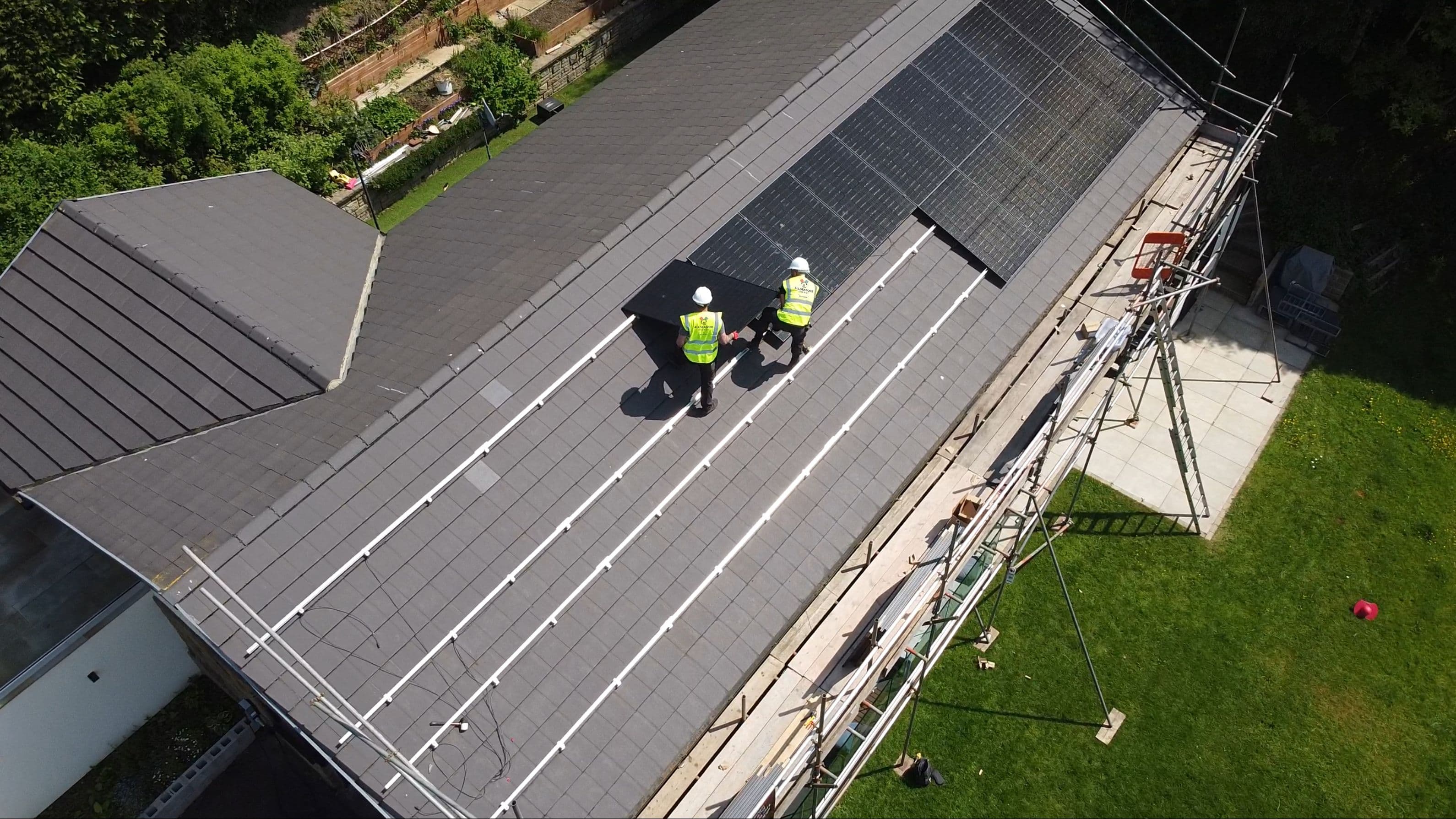
Choosing solar panels is about more than finding the cheapest quote. This buyer’s checklist explains what really matters in 2026, from efficiency and wattage to warranties, shade optimisation and smart home energy systems.
Solar & battery
12 Jun 2026
Are solar panels worth it in 2026?
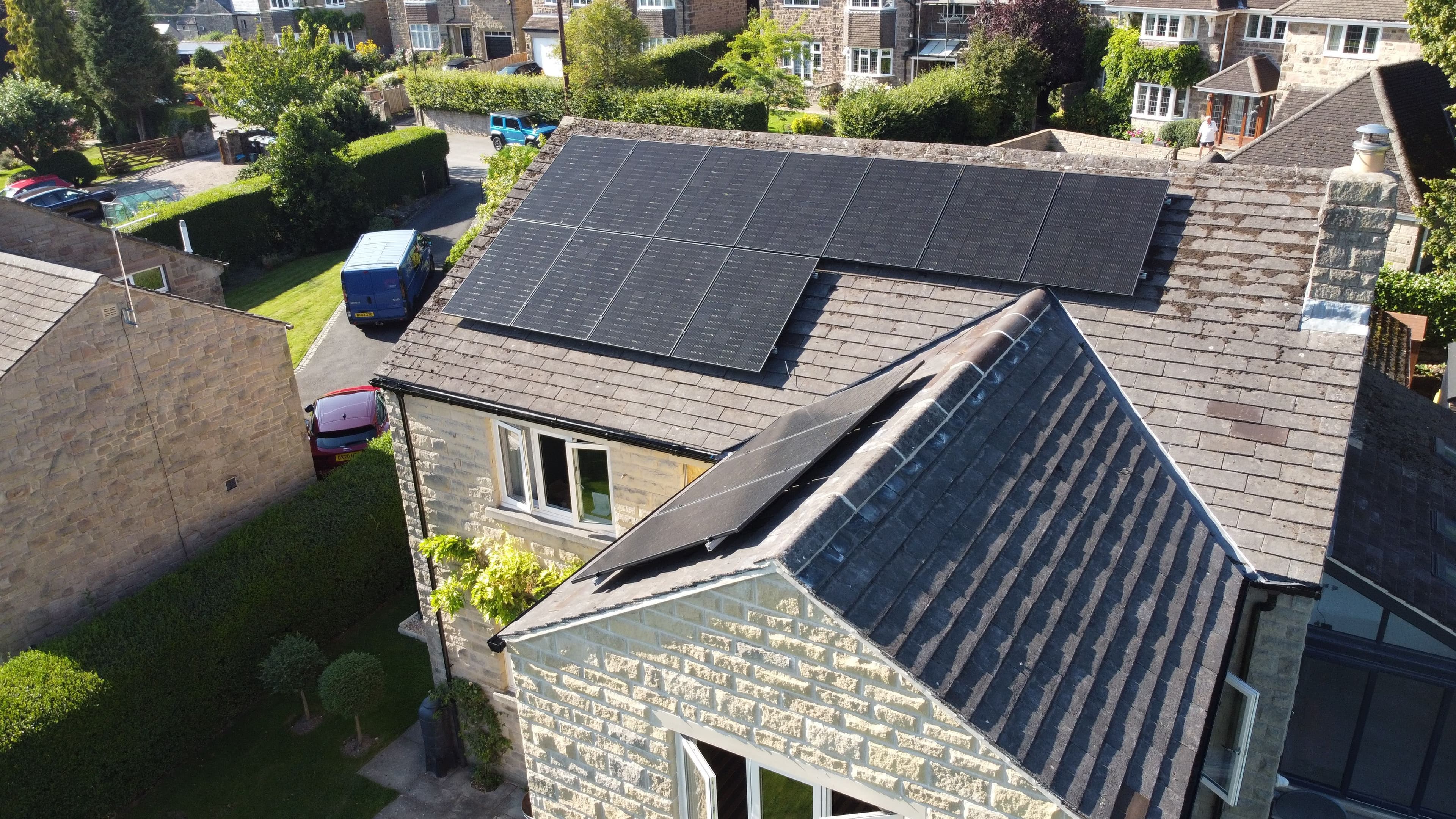
Are solar panels worth it in 2026? For many UK homeowners, yes. Discover how much solar panels can save, when they might not be worth it, and why pairing them with a heat pump, battery storage and Aira Intelligence can unlock even bigger savings.

Solar & battery
30 Apr 2026
How to become energy independent in the UK
Energy independence doesn’t mean going off-grid – it means generating, storing and using more of your own energy at home. With solar panels, battery storage and a heat pump working together, you could reduce your energy costs by up to 80% and take control of how your home is powered.
Solar & battery
30 Apr 2026
Solar panel grants and incentives in 2026
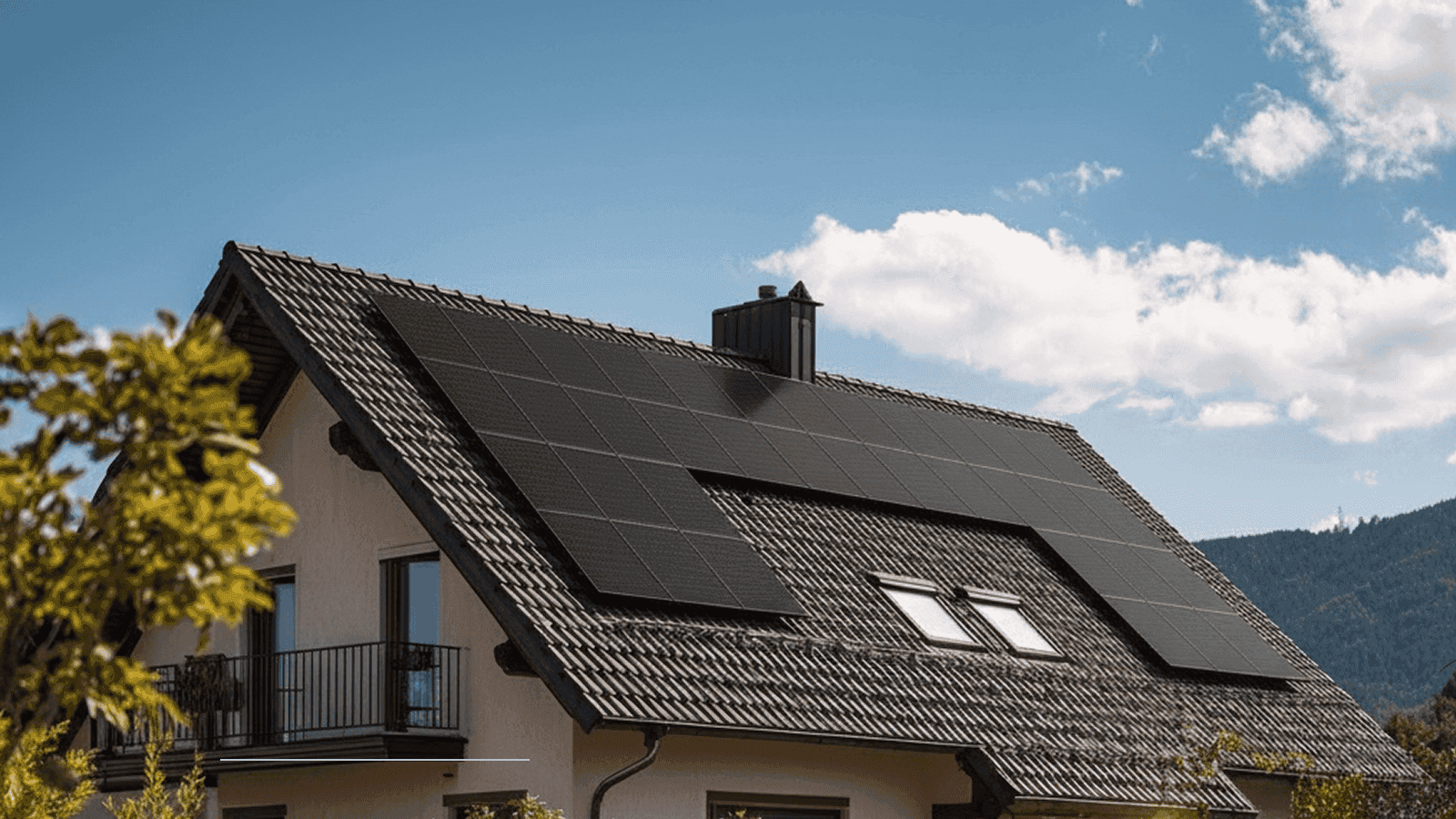
Solar panel grants in 2026 are more limited than many expect, but there are still ways to reduce costs and maximise savings. From 0% VAT to Smart Export Guarantee payments, here’s what’s actually available and how solar, battery storage and heat pumps work together to lower your energy bills.
Costs & benefits
3 Apr 2026
Adding a battery to existing solar panels: what to know in 2026
Already have solar panels? Adding battery storage lets you keep more of the electricity your panels generate and use it when it matters most. In this guide, we explain how to add a battery to existing solar panels in the UK, what to check first, and how Aira integrate solar, storage and heating into one intelligent setup.
Performance & reliability
24 Mar 2026
Home power inverter: What it does and why your home energy system needs one
A home power inverter converts solar electricity into the power your home can use. In modern systems, hybrid inverters and smart power hubs also manage battery storage, smart tariffs and how energy flows around your home.