19 June 2026
5 min read
How to choose solar panels in 2026: a buyer’s checklist

Published on
19 June 2026
Time to read
5 minutes
Key Takeaways
- Look beyond the number of panels. Efficiency, wattage and warranty length can have a bigger impact on long-term performance than the upfront price.
- Not all solar systems handle shade equally. Optimisation technology can help maximise electricity generation, even when some panels receive less sunlight.
- Think about the whole energy system. Solar panels work best when combined with battery storage, smart tariffs and intelligent energy management.
Most solar panels look pretty similar from the ground, but they don’t all perform the same.
Some generate more electricity from the same roof space. Some handle shade better. Some come with stronger warranties. And some are designed to keep producing clean energy for decades.
So, if you’re comparing solar quotes, here’s what to look for before you choose.
Solar panel buyer’s checklist
Before you buy solar panels, check:
- Panel efficiency
- Wattage per panel
- Cell technology
- Product warranty
- Performance warranty
- Shade optimisation
- Panel appearance
- Installer quality
- Battery and smart tariff compatibility
Let’s break that down.
1. Look at solar panel efficiency
The efficiency of a solar panel tells you how much sunlight a panel can turn into electricity. The higher the efficiency, the more electricity you can generate from the same roof space.
That matters if your roof is smaller, if you want fewer panels, or if you simply want to squeeze as much clean energy as possible from your home.
As a rough guide:
Panel type | Typical efficiency |
Standard panels | 18-20% |
Good panels | 20-22% |
Premium panels | 22% |
Aira solar panels deliver up to 23.5% efficiency. In simple terms, that means more clean electricity from every panel.
2. Check the wattage
Efficiency is important. But wattage matters too.
Wattage tells you how much power each solar panel can produce under ideal conditions. The higher the wattage, the more electricity each panel can generate.
Many standard solar panels generate around 400W. Aira solar panels deliver up to 470W.
Here’s what that can mean in practice:
Standard solar panel | Aira solar panel | |
Output per panel | 400W | 470W |
Number of panels | 10 | 10 |
Total system size | 4.0kW | 4.7kW |
Difference | — | 17.5% more capacity |
That’s like getting almost two extra panels’ worth of generating power from the same number of panels.
Useful if your roof space is tight. Even better if you want to power more of your home with solar.
3. Choose the right solar panel technology
Most premium solar panels today use monocrystalline cells. They’re efficient, long-lasting and usually have a clean black appearance. That makes them a strong choice for UK homes.
Older polycrystalline panels are usually blue, less efficient and need more roof space to generate the same amount of electricity.
Monocrystalline panels | Polycrystalline panels | |
Efficiency | Higher | Lower |
Appearance | Usually black | Usually blue |
Roof space needed | Less | More |
Common in 2026 | Yes | Less common |
If you’re buying solar panels today, monocrystalline is usually the place to start.
4. Don’t ignore the warranty
Solar panels are a long-term investment, so the warranty matters.
There are two main types to look at:
Product warranty
This covers defects in the solar panel itself. For example, if something goes wrong because of the way the panel was made.
Performance warranty
This covers how much electricity your panels should still produce in the future. Because solar panels naturally degrade slowly over time.
Aira solar panels come with:
- Panel product warranty: 25 years
- Panel performance warranty: 30 years
That gives you long-term confidence that your panels are built to keep performing year after year.
5. Ask how the system handles shade
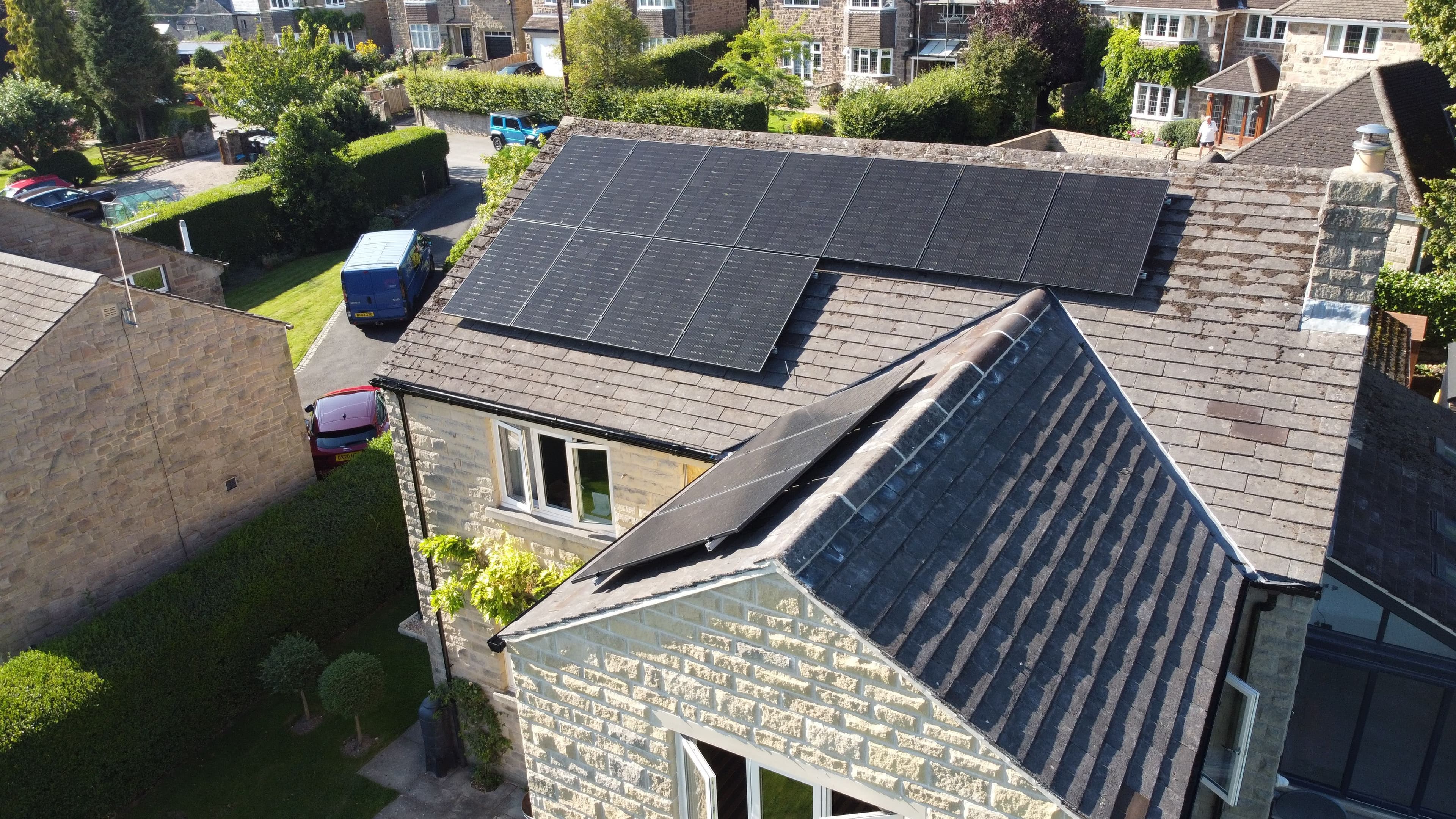
Few roofs are perfect. Trees, chimneys, neighbouring buildings and even different roof angles can all affect how much electricity your panels generate.
And when panels are connected together, one shaded panel can sometimes reduce the performance of the wider system.
That’s why shade optimisation matters.
Solar panels installed by Aira are connected to award-winning Solar String Optimisers. They continuously regulate voltage and current across the system to help every panel perform at its best, including panels that get less sunlight throughout the day.
They also help simplify the wider system design, with fewer, thinner cables and easier expansion if you want to add more panels later.
In short, our Solar String Optimisers help:
- Maximise power generation across the system
- Reduce the impact of shade
- Keep panels performing more consistently
- Make future expansion easier
6. Think about how the panels look
Your home is your castle, and you’ll be living with your solar panels for decades. So yes, how they look matters.
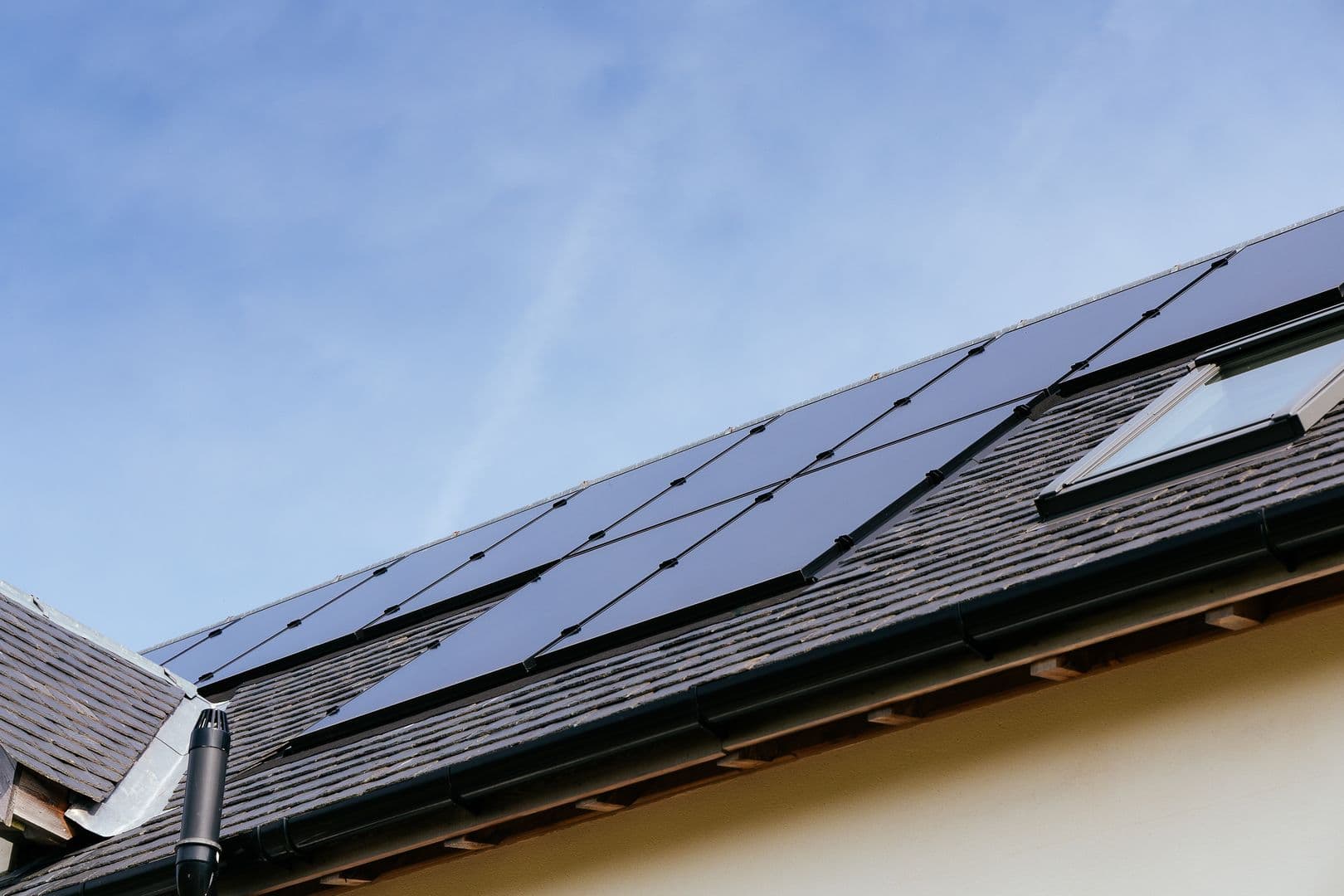
Traditional blue panels can stand out more on a roof, while modern black solar panels are designed to look cleaner and blend in better with your home. Aira solar panels have a sleek all-black mono-glass design. Clean, modern and made to look good on your roof.
7. Choose a solar system, not just solar panels
Solar panels don’t have to be the end of your journey to more energy independence.
To get the most from them, you also need to think about the full system around them:
- Inverter
- Battery storage
- Smart energy management
- Solar export tariff
- Future expansion
The best solar systems don’t just generate electricity, they help you use it in the smartest way. And that’s where Aira Intelligence comes in.
It predicts how much solar your panels will generate, how much energy your home needs and when electricity prices are highest. Then it helps decide when to use your solar electricity, when to store it in your Aira Power Store battery and when it makes sense to sell excess energy back to the grid.
So your solar panels, battery and heat pump work together as one smarter home energy system.
Questions to ask before buying solar panels
Before choosing a solar installer, ask:
- What efficiency do the panels offer?
- How much power does each panel generate?
- Are the panels monocrystalline?
- What product warranty is included?
- What performance warranty is included?
- How does the system handle shade?
- Is the inverter included?
- Can I add battery storage?
- Can the system be expanded later?
- Will the system work with a smart tariff?
- Will the installer handle DNO paperwork?
- Is the installer MCS certified?
If an installer can’t answer these clearly, that’s worth questioning their suitability for installing a good solar system.
So, which solar panels should you choose?
The best solar panels are the ones that work hardest for your home.
That means high efficiency. Strong wattage. Long warranties. Smart shade optimisation. And a system designed around how your home actually uses energy.
Because solar panels are not just about what goes on your roof. They’re about how much clean electricity you can generate, how much of it you can use, and how much less you need to buy from the grid.
With Aira, your solar panels are part of something bigger. A complete home energy system with solar, battery storage, a heat pump and Aira Intelligence all working together.
More clean energy from your roof. Less reliance on the grid. And more savings without the hassle.
See how much you could save
Answer 4 quick questions about your home to get started
What type of house do you live in?

Related articles
Solar & battery
19 Jun 2026
Solar panel cost UK: how much are solar panels in 2026?
Solar panels can significantly reduce how much electricity you buy from the grid, but how much do they actually cost? Discover average UK solar panel installation prices in 2026, what affects the final cost and whether adding battery storage is worth it.
Solar & battery
12 Jun 2026
Are solar panels worth it in 2026?
Are solar panels worth it in 2026? For many UK homeowners, yes. Discover how much solar panels can save, when they might not be worth it, and why pairing them with a heat pump, battery storage and Aira Intelligence can unlock even bigger savings.
Solar & battery
30 Apr 2026
How to become energy independent in the UK
Energy independence doesn’t mean going off-grid – it means generating, storing and using more of your own energy at home. With solar panels, battery storage and a heat pump working together, you could reduce your energy costs by up to 80% and take control of how your home is powered.
Solar & battery
30 Apr 2026
Solar panel grants and incentives in 2026
Solar panel grants in 2026 are more limited than many expect, but there are still ways to reduce costs and maximise savings. From 0% VAT to Smart Export Guarantee payments, here’s what’s actually available and how solar, battery storage and heat pumps work together to lower your energy bills.
Costs & benefits
3 Apr 2026
Adding a battery to existing solar panels: what to know in 2026
Already have solar panels? Adding battery storage lets you keep more of the electricity your panels generate and use it when it matters most. In this guide, we explain how to add a battery to existing solar panels in the UK, what to check first, and how Aira integrate solar, storage and heating into one intelligent setup.
Performance & reliability
24 Mar 2026
Home power inverter: What it does and why your home energy system needs one
A home power inverter converts solar electricity into the power your home can use. In modern systems, hybrid inverters and smart power hubs also manage battery storage, smart tariffs and how energy flows around your home.