21 April 2026
5 min read
Why are electricity prices linked to gas – and what’s changing in the UK?

Published on
21 April 2026
Time to read
5 minutes
Key takeaways
- Electricity prices in the UK are often set by gas, which is why bills rise even when using renewable energy.
- New government plans aim to reduce this link, making electricity prices more stable over time.
- As the gap between gas and electricity narrows, running a heat pump is likely to become more cost-effective.
If you’ve ever wondered why your electricity bill goes up when gas prices spike, you’re not alone.
For years, electricity prices in the UK have been closely tied to gas, even as more renewable energy comes online. That’s meant households have continued to feel the impact of global gas markets, even when much of the electricity they use is generated from cheaper, cleaner sources.
Now, the government has announced plans to start breaking that link.
So what’s actually changing – and what does it mean for your home?

Talk to a Clean Energy Expert
Why electricity prices are linked to gas
It comes down to how electricity prices are set.
In the UK, electricity is priced using what’s known as a “marginal pricing” system. In simple terms, the price of electricity is set by the most expensive source needed to meet demand at any given time. That’s often gas.
Even if a large share of electricity is generated by renewables like wind or solar, if gas is needed to meet demand, it can end up setting the price for the whole system.
That’s why electricity prices can rise sharply when gas prices increase. Even if your electricity isn’t coming directly from gas.
This also affects something known as the “spark gap” – the difference between gas and electricity prices. In the UK, that gap is often wider than it should be, because electricity prices are still tied to gas. As a result, electricity can appear more expensive relative to gas than the underlying energy costs would suggest.
This system has been in place for years, but it’s increasingly being questioned as the UK generates more of its electricity from low-cost renewables.
What the government is changing
The government announced plans in April 2026 to reduce the influence gas has over electricity prices.
The approach focuses on shifting more of the UK’s electricity onto pricing that isn’t tied to volatile gas markets.
The key measures include:
- Offering voluntary long-term fixed-price contracts to existing low-carbon generators — covering around a third of Britain’s power supply
- Increasing the Electricity Generator Levy from 45% to 55%, taxing excess profits when gas prices spike
- Encouraging more generators to move away from gas-linked wholesale pricing over time
The aim is simple: to make electricity prices more stable and less exposed to global gas markets.
This won’t happen overnight. But progress is already underway. Gas set the price of electricity around 90% of the time in the early 2020s, compared to around 60% today. The government expects this to fall to around half by 2030.
Over time, that should reduce how often gas drives electricity prices – and how much households feel the impact of international price shocks.
Will this actually lower energy bills?
In the short term, the impact is likely to be limited. Electricity prices are still influenced by global energy markets, and it will take time for these changes to work through the system.
But over the longer term, the direction is clear. As more electricity is generated under fixed-price contracts (and less is exposed to gas), prices should become more stable and predictable.
That matters just as much as price itself. For UK households, volatility has been one of the biggest challenges in recent years.
What this means for homeowners
For most people, this change will help reduce uncertainty. When electricity prices are tied to gas, households are exposed to events far beyond their control – from geopolitical tensions to global supply disruptions.
A system less reliant on gas means:
- fewer sudden price spikes
- more predictable energy costs
- greater confidence in long-term energy decisions
It also reflects a broader shift toward electrification, which means using electricity to power and heat homes – not oil and gas.
For homes still using oil or LPG boilers, there’s set to be additional support available to make that switch. From July 2026, the Boiler Upgrade Scheme is expected to offer up to £9,000 toward a heat pump – you can learn more about how that works in our guide.
What this means for heat pumps
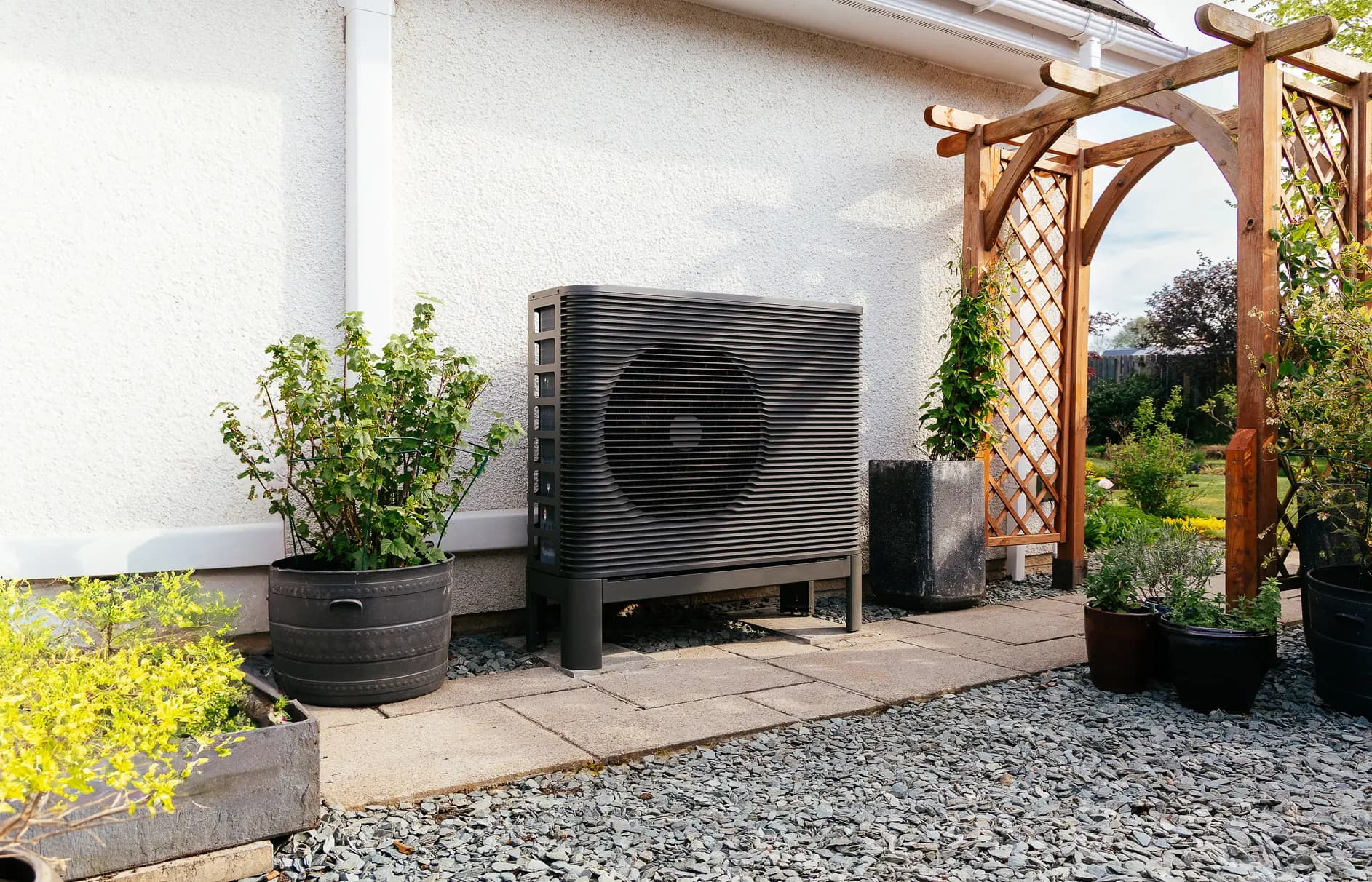
This shift is particularly relevant if you’re considering a heat pump.
Heat pumps run on electricity, so their running costs are directly linked to electricity prices. Historically, that’s meant they’ve still been indirectly affected by gas price volatility.
But there’s another factor at play.
In the UK today, electricity is relatively expensive compared to gas. That’s one of the main reasons why heat pumps – despite being around three to four times more efficient than a gas boiler – don’t always deliver as much heating bill savings as they do in other countries.
As electricity prices become less tied to gas, that imbalance may start to change.
Over time, this could mean:
- electricity prices become more stable
- the gap between gas and electricity narrows
- and the cost of running a heat pump becomes even lower compared to a boiler
That doesn’t mean electricity will suddenly be cheaper than gas overnight. But it does strengthen the long-term case for switching away from fossil fuel heating – both in terms of cost and energy security.
The bigger shift behind the headlines
This announcement is part of a much larger transition. The UK is moving toward an energy system that relies more on clean, homegrown power, and less on imported fossil fuels.
That includes:
- expanding renewable energy
- increasing electrification across homes and transport
- improving how energy is priced and distributed
Breaking the link between gas and electricity prices is one step in that direction.
The bottom line
Electricity prices won’t suddenly detach from gas overnight. But the direction is changing.
As more of the UK’s electricity comes from fixed-price, low-carbon sources, households should become less exposed to the volatility of global gas markets.
For homeowners, that means greater stability – and a clearer path toward cleaner, electric heating.
Next steps
If you’re thinking about switching to a heat pump, it’s worth understanding how your home uses energy today — and how much you could save over time.
A free home energy assessment with Aira will show:
- how much energy your home needs
- what your running costs could look like with an Aira Heat Pump
- and how a heat pump would perform in your space
From there, you can make a decision based on what works best for your home – now and in the future.
See how much you could save with an Aira Heat Pump
Answer 4 quick questions to get started
What type of house do you live in?

Related articles
Costs & benefits
28 May 2026
Energy price cap increase: Are heat pumps now cheaper than gas boilers?
Ofgem’s latest energy price cap rise is pushing gas bills up again. Discover why more UK homeowners are considering heat pumps as a cheaper, smarter, and more stable alternative to gas boilers.