10 March 2026
6 min read
How to protect your home from rising heating oil prices

Published on
10 March 2026
Time to read
6 minutes
Key takeaways
- Heating oil prices are highly volatile. Unlike gas, oil heating isn’t protected by the Ofgem price cap, leaving households fully exposed to global market shocks.
- Oil boilers are becoming expensive to run. Typical heating costs range from £1,600–£2,300 per year, significantly higher than many heat pump systems.
- Heat pumps offer a more stable alternative. By running on electricity instead of oil, they can reduce heating costs and protect your home from future fossil fuel price spikes.
If you rely on heating oil to warm your home, you may have noticed something alarming recently.
Heating oil prices in the UK have risen sharply again. In just one week between 26 February and 5 March 2026, prices jumped by over 80%.
For many households, that means:
- 500 litres increased from around £307 to over £550
- 1,000 litres soared to as much as £985
For homes that depend on oil boilers, that kind of sudden increase can feel like a shock.
And unlike gas customers, oil heating users have no protection from Ofgem’s energy price cap.

Talk to a Clean Energy Expert
Why heating oil prices are so valatile
Heating oil is essentially refined crude oil (kerosene). That means its price is tied directly to global oil markets.
When geopolitical events disrupt supply – such as conflicts in the Middle East or tensions around key shipping routes – oil prices can rise quickly.
In early 2022, crude oil surged to almost $120 per barrel during the global energy crisis. And similar spikes have occurred again in early 2026.
Because heating oil is traded globally, UK households using oil boilers are directly exposed to those price swings.
Unlike electricity or gas, where regulatory mechanisms such as the Ofgem energy price cap can soften the impact, heating oil customers pay whatever the market price is at the time they need to refill their tank.
That means heating costs can change dramatically from one winter to the next – or even from one month to the next.
How expensive is heating oil in the UK?
For the 1.5 million UK homes that still rely on oil heating, the cost can add up quickly.
As of 2026, typical annual heating costs for an oil boiler are now estimated to be around £1,600 – £2,300 per year. That figure can rise significantly during periods of high oil prices.
And because oil boilers rely on fuel deliveries, households must often buy large volumes at once, meaning they feel the impact of price spikes immediately.
Why more homeowners are considering alternatives to oil heating
Because oil prices are tied to global markets, volatility is likely to continue.
Geopolitical conflicts, shipping disruptions, and global demand all influence oil prices. All of these factors are out of your control. As a result, many households are starting to ask a simple question:
Is there a way to heat a home without being exposed to global oil markets?
Increasingly, the answer many are exploring is heat pumps.

Heat pumps: a heating system that doesn't rely on oil
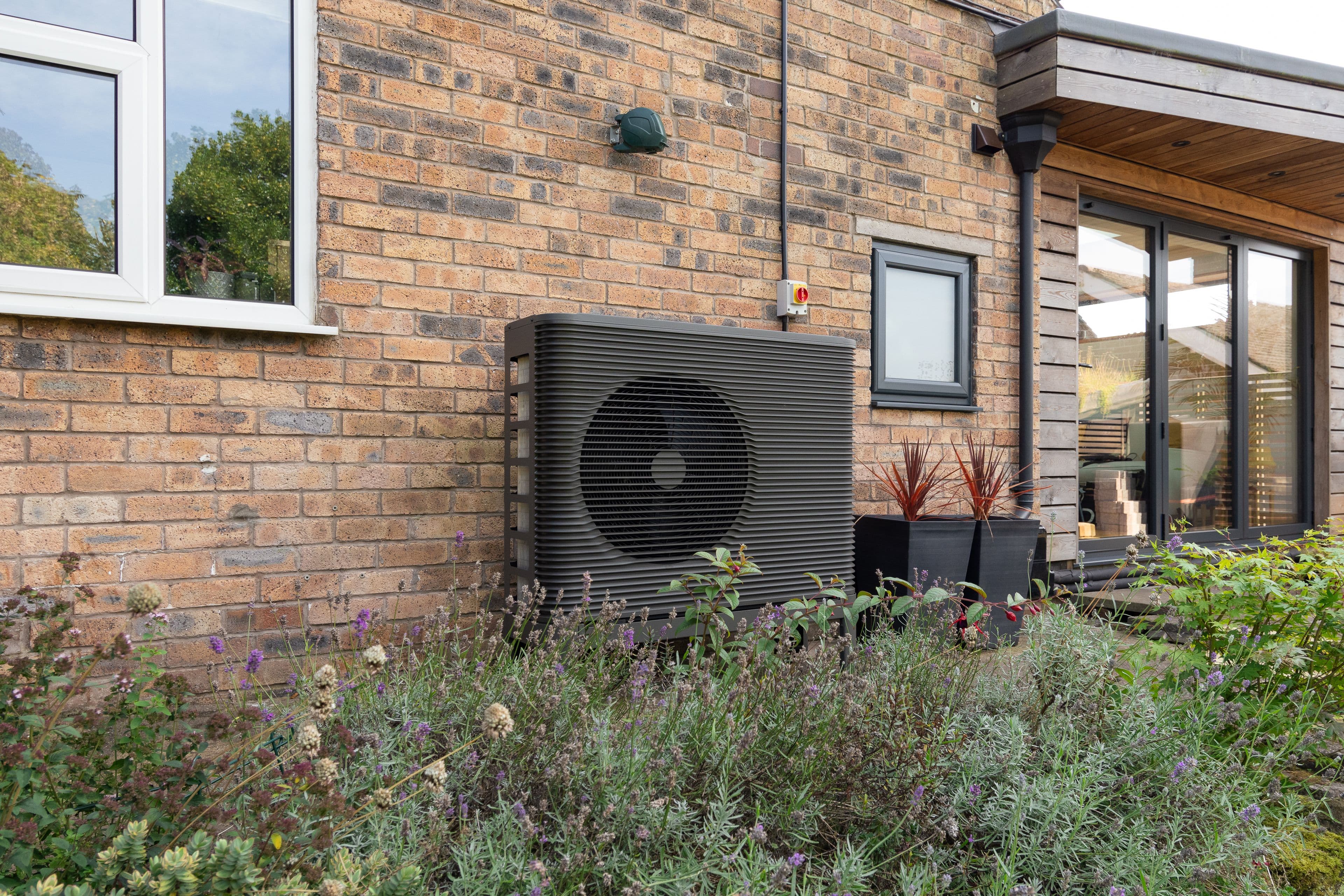
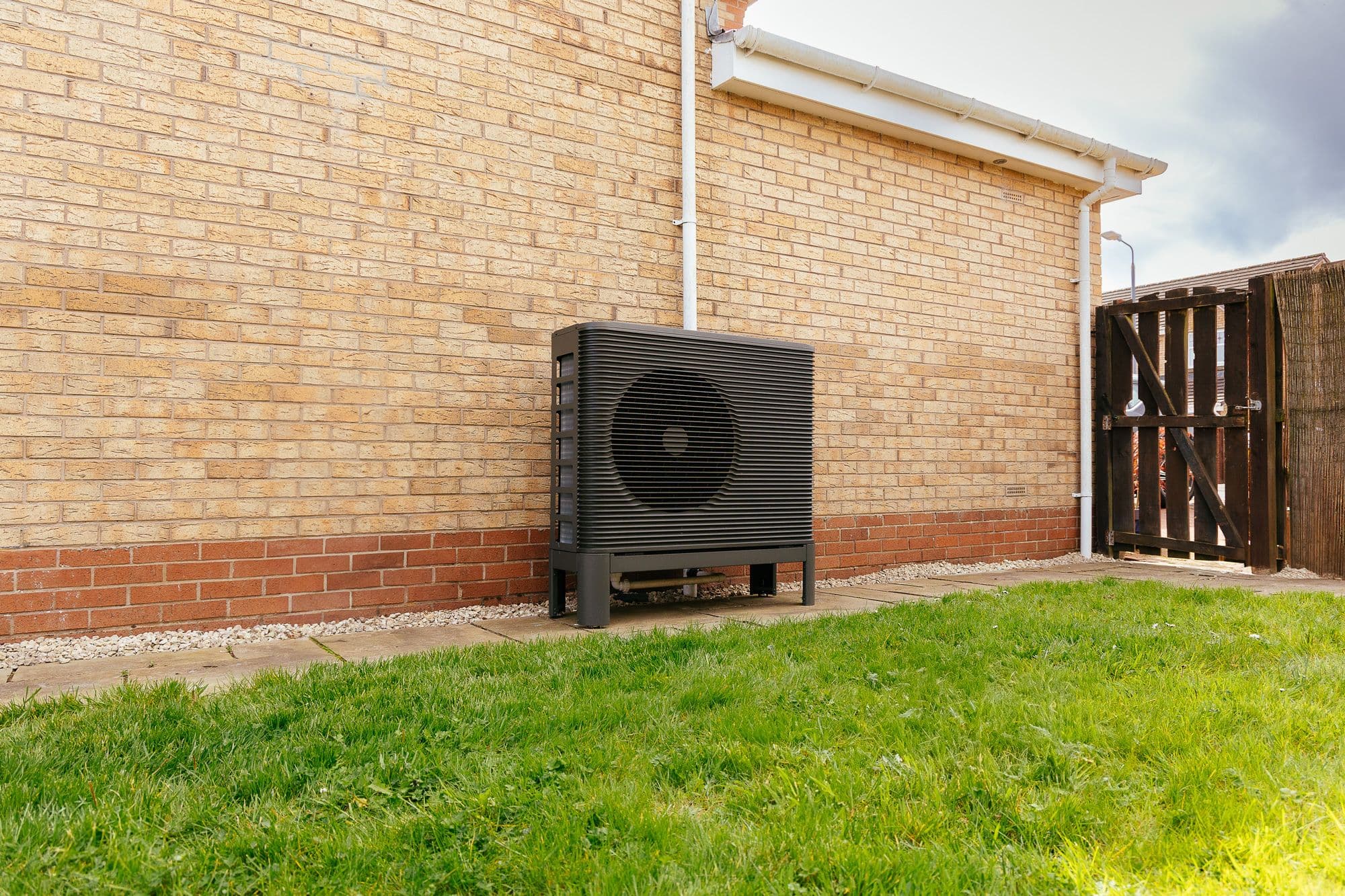
Unlike oil boilers, air source heat pumps don’t burn fuel. Instead, they use electricity to extract heat from the outside air and transfer it into your home.
Because they move heat rather than generate it through combustion, heat pumps are three to four times more efficient than traditional boilers.
That efficiency dramatically reduces the amount of energy needed to heat a home. But the biggest difference is this:
Heat pumps run on electricity, not fossil fuels like heating oil.
That means households are no longer dependent on global oil supply shocks or sudden spikes in fuel prices.
How much could you save by replacing an oil boiler?
Running costs vary depending on the property, insulation and energy tariff. But typical comparisons look like this:
Heating system | Typical annual cost |
Oil boiler | £1,600 – £2,300 |
Air source heat pump | £850 – £1,250 |
That means many households switching from oil to a heat pump could save £950–£1,350 per year on heating.
Because oil heating is already expensive, the payback period for switching to a heat pump can be much faster than for gas homes.
Government support for replacing oil boilers
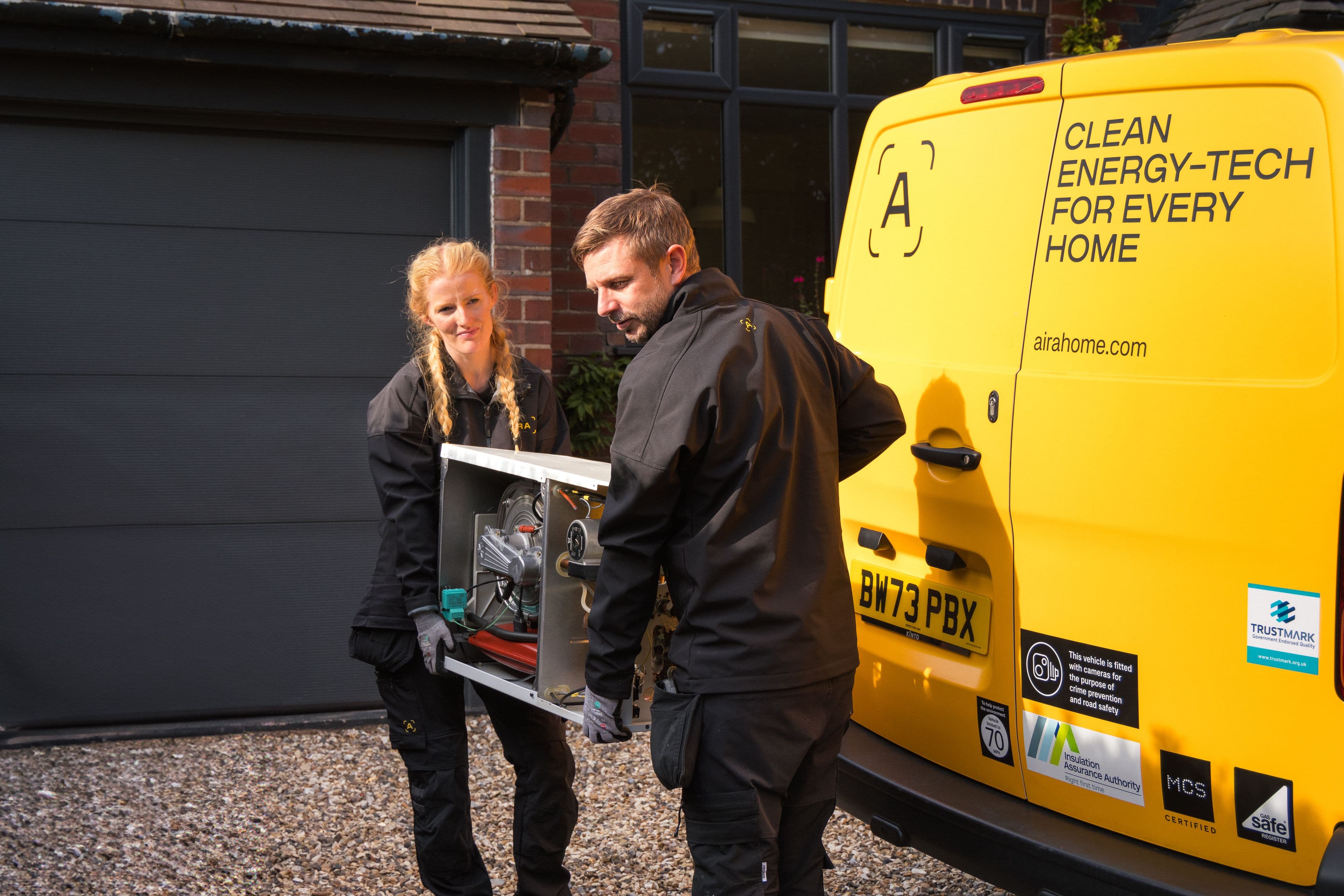
As of April 2026, the UK government has increased the Boiler Upgrade Scheme (BUS) grant for homes on oil or LPG from £7,500 to £9,000. And it applies to eligible homes in England and Wales right now.
For homes currently using oil boilers, that support can make a big difference to the upfront cost of switching.
For oil boiler homes, that means the upfront cost of switching to a heat pump is now significantly lower. With the £9,000 grant applied, many households will end up paying between £5,000 and £11,000 for a full heat pump installation – and because running costs are far lower than oil, the investment typically pays back faster than you'd expect.
Live in Scotland? You could receive up to £16,500 in funding with the Home Energy Scotland Grant and Loan.
See if you're eligible for the Boiler Upgrade Scheme or the Home Energy Scotland Grant and Loan here.
Protecting your home from future oil price shocks
For households using heating oil today, the biggest challenge isn’t just the current price spike. It’s the uncertainty.
As long as your home relies on oil for heating, your energy bills remain tied to global markets and geopolitical events.
Heat pumps offer a different model – one based on efficiency and electricity rather than fossil fuel deliveries. And as the UK electricity grid continues to shift toward renewable energy like wind and solar, that model becomes even more stable.
Some households go further by installing solar panels and home batteries, generating much of the electricity their heat pump uses themselves. That combination can significantly reduce dependence on external energy markets altogether.
And with Aira, we make that switch simple. We can install our solar and Power Store (home battery) alongside your Aira Heat Pump. So you’ll have one complete home energy eco-system powered by Aira Intelligence with the power to reduce your energy bills by 90%.
And there's more good news: Electricity prices are changing too
Running a heat pump means running on electricity. And right now, electricity in the UK is more expensive than it should be – partly because its price is tied to wholesale gas markets.
When global gas prices spike, electricity prices rise with them, even when most of the country's power is coming from wind, solar, and nuclear.
The government has announced plans to break that link. New long-term fixed-price contracts will be offered to renewable energy generators, shielding electricity prices from gas market volatility. Combined with a higher tax on the excess profits generators make during gas price spikes, the aim is to make electricity more stable and predictable over time.
This matters for oil-heated homes specifically. You're already paying more than almost anyone else to heat your home. A heat pump with a £9,000 grant cuts your exposure to oil price shocks. And as electricity becomes less tied to gas, your running costs become more stable too.
In short: switch now, and the economics will only improve over time.
Is your home suitable for replacing an oil boiler with a heat pump?
Every home is different. Which is why the first step is understanding what system would work best for your property.
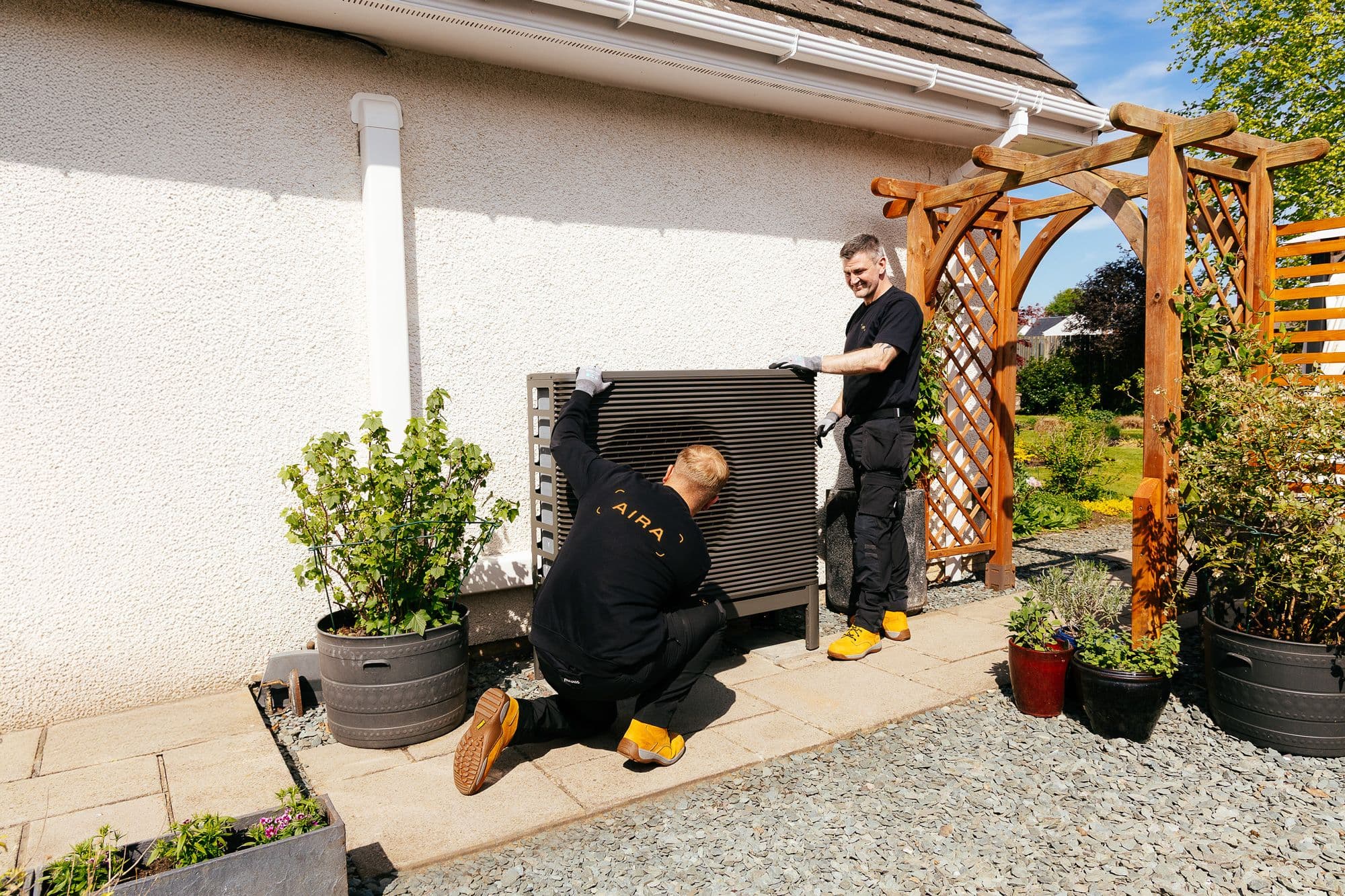
At Aira, we offer a free home energy assessment where one of our experts will:
- Assess your home’s heating needs
- Explain how an Aira Heat Pump would work in your property
- Calculate potential energy bill savings
- Provide a tailored quote
There’s no obligation – just a clear understanding of your options.
See if switching from oil heating could save you money
If rising heating oil prices have made you question whether there’s a better way to heat your home, you’re not alone.
Many UK households are now exploring alternatives that offer lower running costs and protection from fuel price volatility.
See if your home is suitable for an Aira Heat Pump today
What type of house do you live in?

Related articles
Performance & reliability
12 Oct 2026
How long does a heat pump take to heat water?
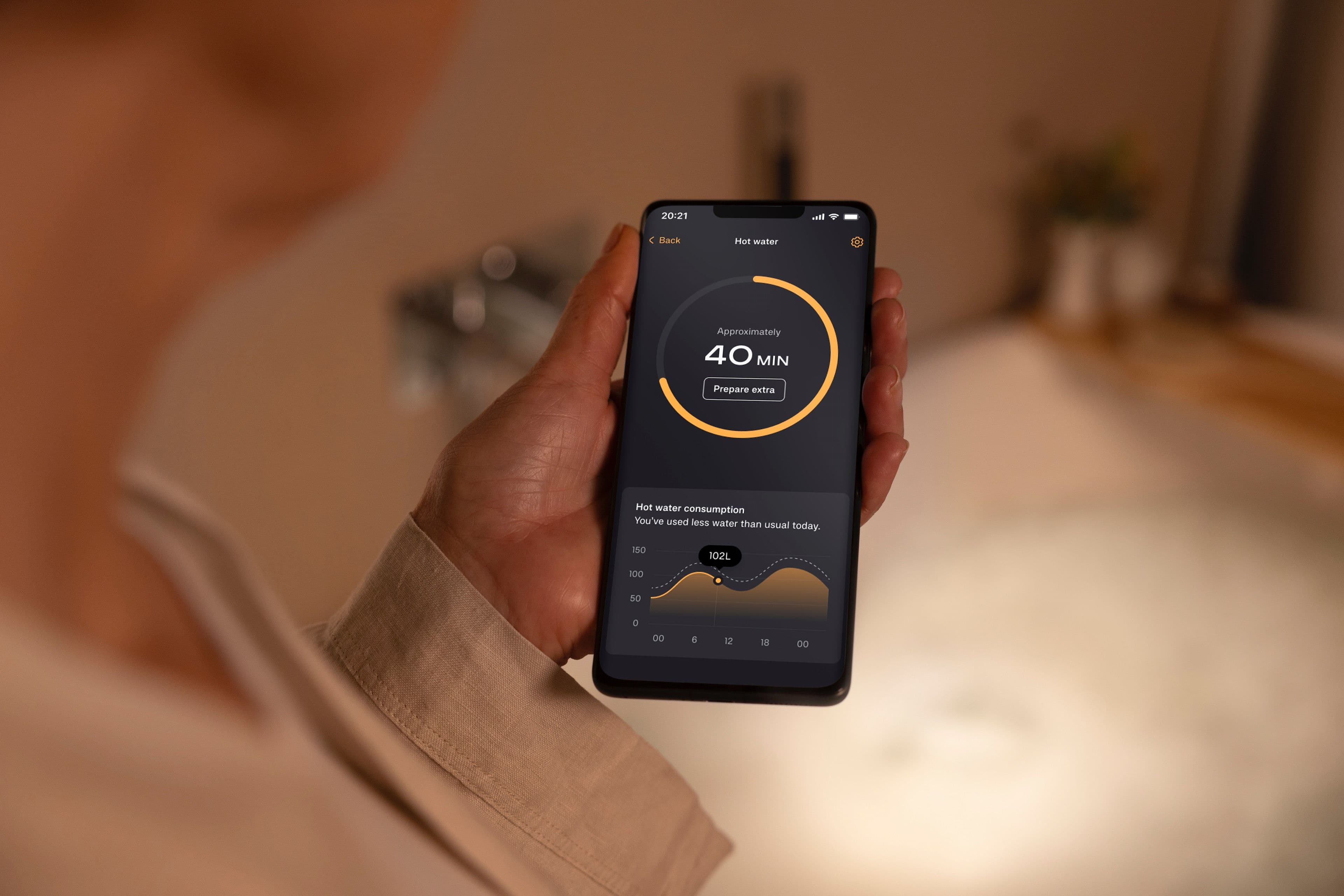
How long does a heat pump take to heat water? Discover typical reheat times, what affects them and how the right system design keeps plenty of hot water ready for every shower, bath and tap.

Solar & battery
2 Oct 2026
Can solar panels power a heat pump entirely?
Solar panels can power your heat pump. But only when they’re generating enough electricity. Discover how winter, battery storage and smart controls like Aira Intelligence determine how much of your heating can come straight from your roof.

Costs & benefits
24 Sept 2026
Europe’s energy independence starts at home
Europe’s reliance on imported fossil fuels leaves countries – and household energy bills – exposed to events beyond their control. See how a heat pump, solar panels and home battery can work together to lower costs and bring greater energy independence home.
Heat pumps: The basics
21 Sept 2026
When a heat pump isn’t worth it – and what can change that
A heat pump can be a brilliant investment, but forcing one into a home that isn’t ready can lead to higher bills and cold rooms. Here’s when a heat pump may not be worth it yet – and the changes that can turn a no into a yes.
Comparing options
18 Sept 2026
The difference between a heat pump and an air conditioner
Heat pumps and air conditioners may look similar, but they can do very different jobs around the home. Discover how air conditioning, air-to-air and air-to-water heat pumps compare, from cooling and hot water to installation and cost.
Performance & reliability
19 Aug 2026
Heat loss calculations explained: why they matter for your heat pump
A heat loss calculation shows how much warmth escapes from every room in your home. Here’s how it helps your installer choose the right heat pump and design a system that keeps you comfortable.
Performance & reliability
14 Aug 2026
How poor flow rate can damage your heat pump's performance
A poor flow rate can make your heat pump less efficient, increase your running costs and leave your home feeling colder than it should. Here's what flow rate actually means, why it matters and how the right system design helps your heat pump perform at its best.

Heat pumps: The basics
13 Aug 2026
Your rights if your heat pump installation goes wrong
Has your heat pump installation gone wrong? Or worried it will go wrong? From MCS protections to the Consumer Rights Act to what to do if your installer stops trading, here's a straightforward guide to your rights and the steps you should take.
Heat pumps: The basics
13 Aug 2026
Heat pump warranties explained: what MCS covers – and what it doesn’t
Most homeowners think MCS certification guarantees their heat pump's performance. It doesn't. Here's what an MCS certificate actually covers, where its protection ends, and the warranty and guarantee questions every homeowner should ask before choosing an installer.

Heat pumps: The basics
4 Aug 2026
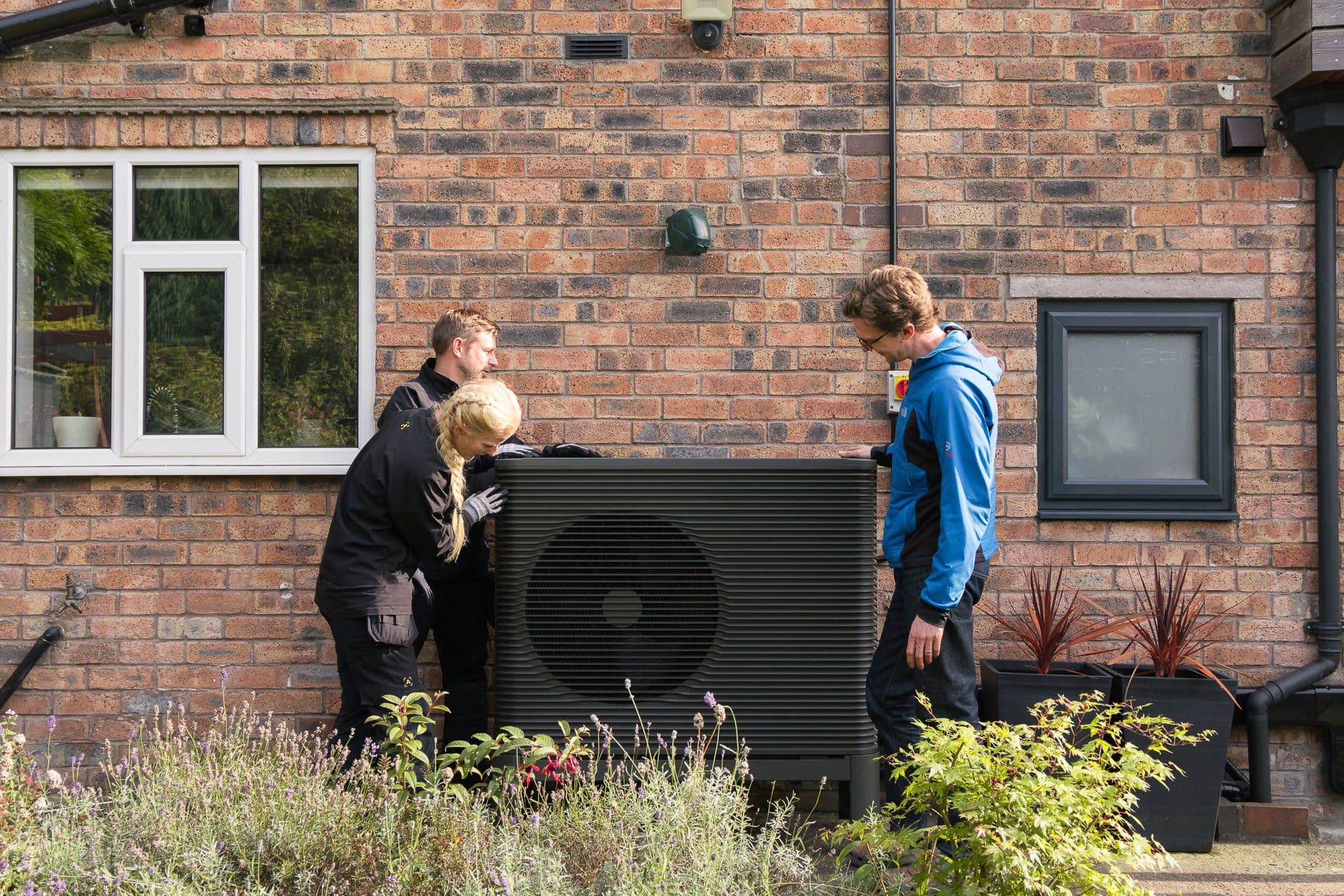
What a good heat pump installation actually looks like
A good heat pump installation is about much more than fitting an outdoor unit and connecting a few pipes. Here’s how to judge the survey, system design, workmanship, commissioning and aftercare – plus the red flags to look out for.
Costs & benefits
29 Jul 2026
Heat pump grant UK 2026: £9,000 for oil & LPG boiler homes
The UK heat pump grant has increased to £9,000 for oil and LPG homes. Here’s who qualifies, what it covers, and why now could be the right time to switch.
Costs & benefits
22 Jul 2026
VAT scrapped on electricity bills: What it means for heat pumps
The government is scrapping VAT on household electricity bills from 1 October. Here's what that means for heat pump running costs, why electricity is becoming more affordable, and how the latest change strengthens the case for switching from a boiler.