
30 April 2026
8 min read
How to become energy independent in the UK

Published on
30 April 2026
Time to read
8 minutes
Key takeaways
- Energy independence in the UK means generating, storing and using your own energy – typically with solar panels, battery storage and a heat pump working together.
- Most UK homes can become largely self-sufficient for much of the year, reducing reliance on the grid and protecting against rising energy prices.
- A fully integrated home energy system can cut energy bills by up to 50% compared to a gas boiler, with even more energy cost savings possible (up to 80%) from exporting excess electricity back to the grid.
Energy independence might sound like going completely off-grid. For most UK homes, it’s something much more practical. And far more achievable.
With the right setup, you can generate your own electricity, store it, and use it to heat and power your home. That means relying far less on energy suppliers – and in some cases, cutting your energy costs by up to 80%, including money earned from selling excess solar energy back to the grid.
So what does energy independence actually look like in a UK home? And how do you get there?
What energy independence really means
Energy independence is often described as producing all the energy your home needs, without relying on external suppliers.
In reality, for most UK homes, it looks a little different.
Energy independence isn’t about cutting yourself off. It’s about reducing how much energy you need to buy — and taking control over how your home is powered.
Right now, the average UK household spends over £1,700 a year on energy, and that number can fluctuate depending on prices.
An energy-independent home works differently. It generates electricity on-site, stores what it doesn’t use, and uses that energy as efficiently as possible – especially for heating, which makes up the largest share of energy use.
That shift (from buying energy to producing it) is what drives the biggest savings.
Can you become energy independent in the UK?
Yes – to a large extent.
Most homes will still stay connected to the grid. But with solar panels, battery storage and a heat pump working together, you can generate and use most of your own energy for much of the year.
In some cases, homes can be largely self-sufficient for long periods, especially from spring through autumn.
In practical terms, that means:
- far lower energy bills
- less exposure to rising energy prices
- and more control over how your home is powered
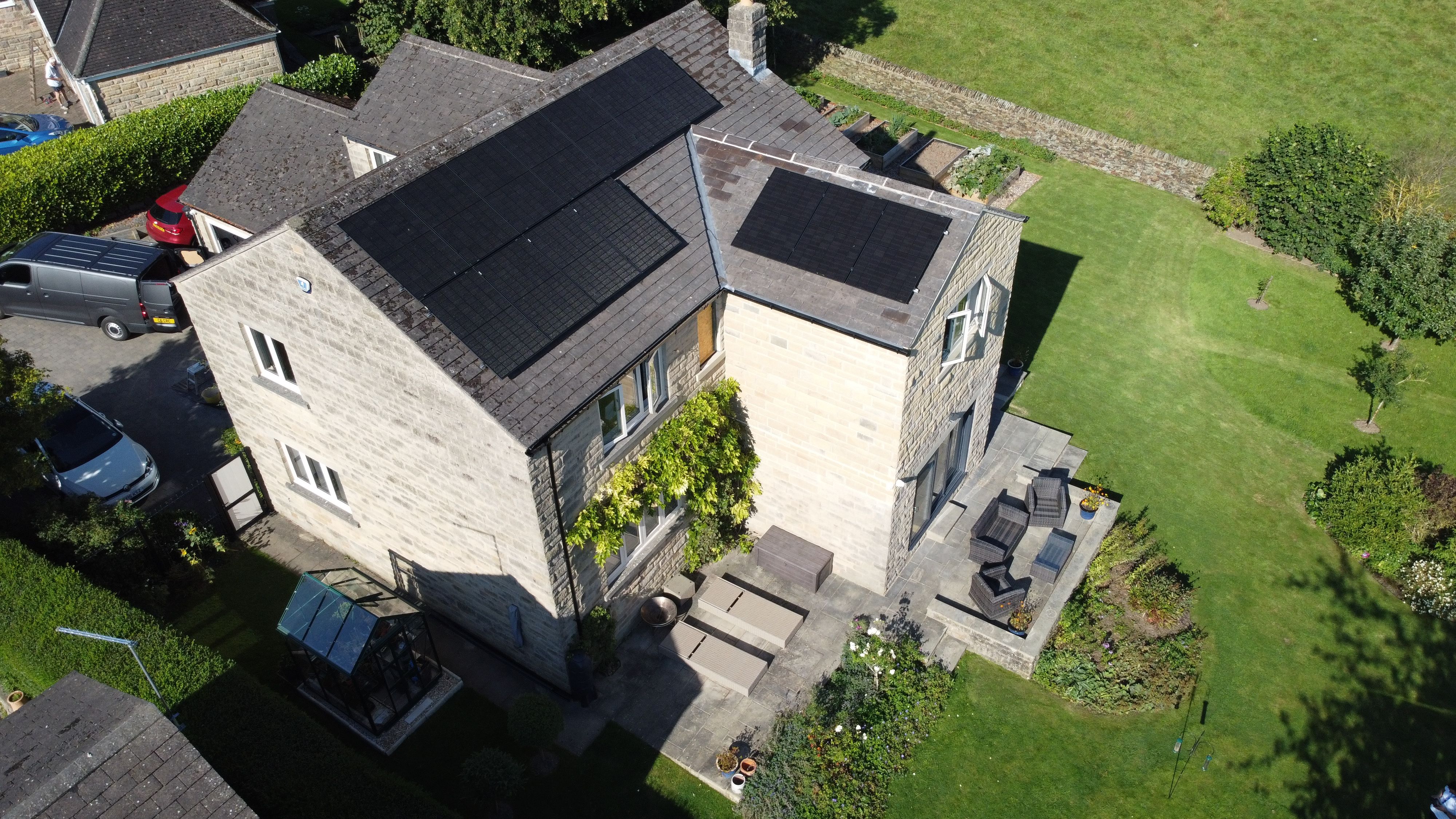
The three pillars of an energy-independent home
At the centre of energy independence is a simple idea: your home becomes its own energy system.
That system has three key pillars, and each one makes the others more effective.
Solar panels: generate your own electricity
Solar panels convert sunlight into electricity you can use in your home (via an inverter, like the Power Hub).
A typical UK system can generate thousands of kilowatt hours (kWh) each year – covering a significant share of your household electricity use, from appliances to heating.
And despite the UK climate, modern solar panels don’t need direct sunshine. They continue to generate electricity even on cloudy days.
Battery storage: use your energy when you need it
Solar panels generate most of their energy during the day, often when you’re not home using electricity.
A home battery (like the Aira Power Store) solves that. It stores excess electricity so you can use it later – like in the evening, overnight, or when electricity prices are higher.
Without a battery, much of that energy is exported back to the grid. With one, you have the options of keeping more of what you generate and reducing how much you need to buy.
Heat pumps: reduce the energy you need for heating
Heating accounts for around 55% of a UK home’s energy use, so improving how you heat your home is essential.
A heat pump (like the Aira Heat Pump) doesn’t generate heat by burning fuel. Instead, it moves heat from the outside air into your home. Because of this, it’s far more efficient. For every unit of electricity it uses, it can deliver 3 to 4 units of heat.
When powered by your own solar energy, that efficiency increases even further – reducing both your energy use and your bills.
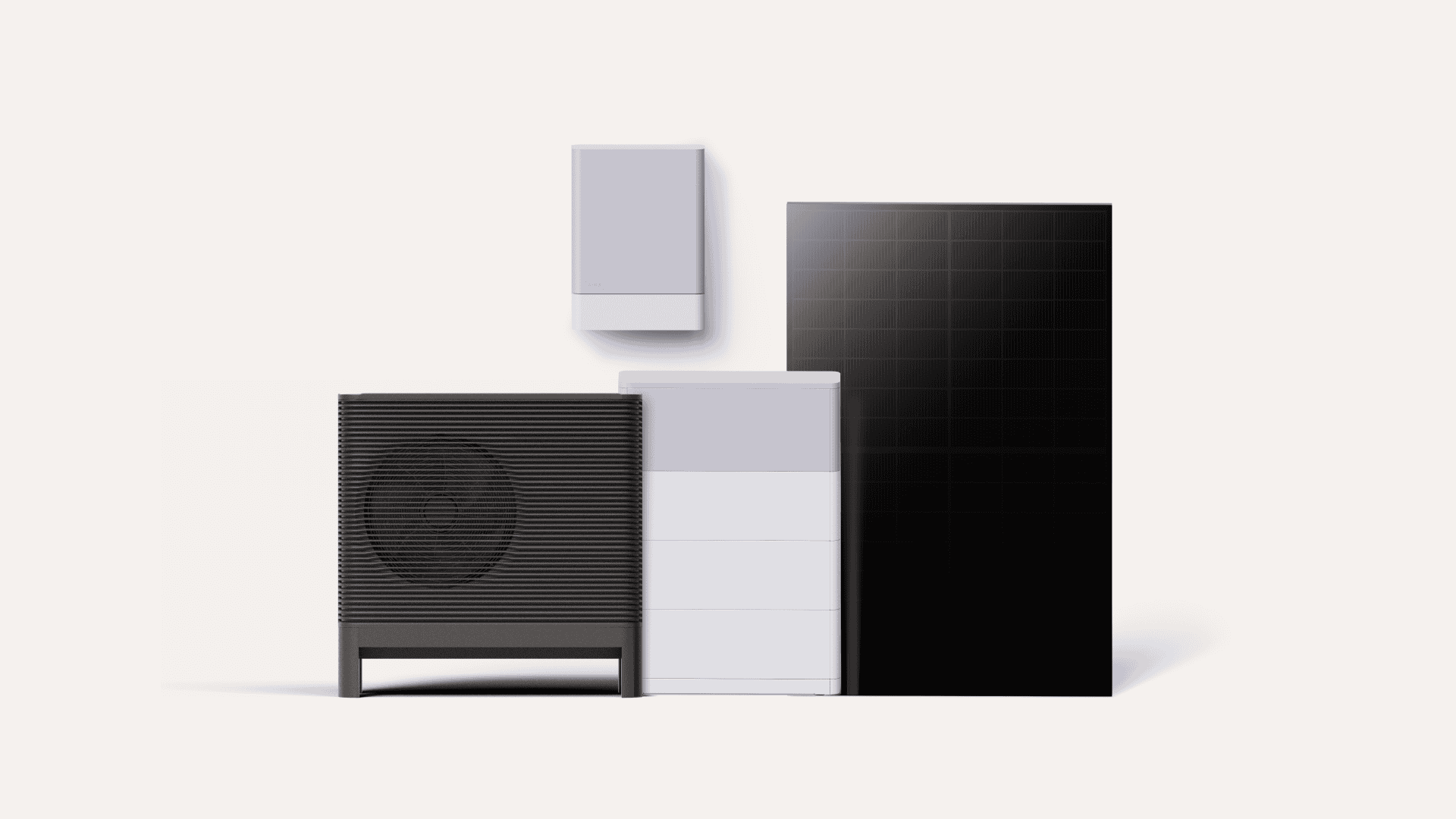
What energy independence looks like in a real home: the journey to 80% savings
To understand the impact, it helps to look at a real-world scenario.
Let’s take a modern home in the UK. Before any upgrades, the home uses around:
- 20,000 kWh of gas per year for heating and hot water
- 4,000 kWh of electricity for everyday use
That means relying heavily on energy suppliers and being exposed to rising energy prices.
Now replace that setup with an Aira Heat Pump, solar panels and Aira Power Store battery storage.
The heat pump reduces the energy needed for heating significantly – using around 4,500 kWh of electricity per year to deliver the same level of comfort. Combined with household electricity use, total consumption comes to around 8,500 kWh per year, with no gas required.
At the same time, a typical solar system with battery storage can generate and store enough electricity to power much of the home’s daily energy needs. Combined with a smart tariff, the home can dramatically reduce the amount of electricity it needs to buy from the grid.
In this scenario, excess solar energy can also be stored and exported back to the grid when it isn’t needed at home.
Over time, the difference in cost is significant.
Across a 20-year period, a home using a gas boiler could spend around £71,000 on energy bills. The same home powered by an Aira Heat Pump, solar panels, battery storage and a smart tariff could spend around £33,000.
That equates to around 50% lower energy bills over the lifetime of the system.
And because the system can generate more electricity than it uses, there’s also the potential to earn from exporting energy back to the grid. Over 20 years, those export earnings could exceed £20,000.
When those export earnings are taken into account, overall energy costs fall from around £71,000 to less than £13,000.
That equates to around 80% lower overall energy costs over the lifetime of the system.
How solar, battery and a heat pump work together
At a basic level, solar panels, battery storage and a heat pump each play a different role in how your home uses energy.
Solar panels generate electricity during the day. Some of that energy is used immediately in your home – powering appliances, heating water, or running your heat pump.
Any excess electricity can then be stored in a battery, so it’s available later – like in the evening or overnight, when solar panels aren’t generating and/or when electricity prices peak.
If your home still needs more energy, it’s imported from the grid. And if you generate more than you can use or store, it can be exported back, earning you money through schemes like the Smart Export Guarantee.
That’s how a typical solar, battery and heat pump setup works. But in a modern home energy system, it doesn’t stop there.
Instead of simply generating and storing energy, the system can actively decide how and when to use it – based on your home, your habits, and energy prices throughout the day.
That’s how systems like the Aira Home Energy System are designed to work.
Rather than each part operating independently, Aira Intelligence connects everything. It constantly adapts in real time — balancing solar generation, battery storage and heating to make sure energy is used when it’s most efficient, stored when it’s most valuable, and drawn from the grid only when needed.
Here’s what that looks like across a typical day:
Morning
As the day starts, your solar panels begin generating electricity. That energy is used to power your home first — from your morning routine to heating and hot water — reducing how much you need from the grid. Any extra is stored in your battery for later.
Midday
This is when solar generation is at its highest. Your battery charges, while Aira Intelligence decides where energy is best used — whether that’s heating your home, topping up hot water, or storing energy for later. If there’s still excess, it can be exported back to the grid.
Evening
As the sun sets and electricity prices typically rise, your stored energy takes over. Instead of buying expensive electricity, your home runs on what you’ve already generated.
Night
While your home rests, Aira Intelligence doesn’t. It analyses your energy use, tomorrow’s weather, and your tariff. Then, it plans the most efficient way to heat, store and power your home for the day ahead.
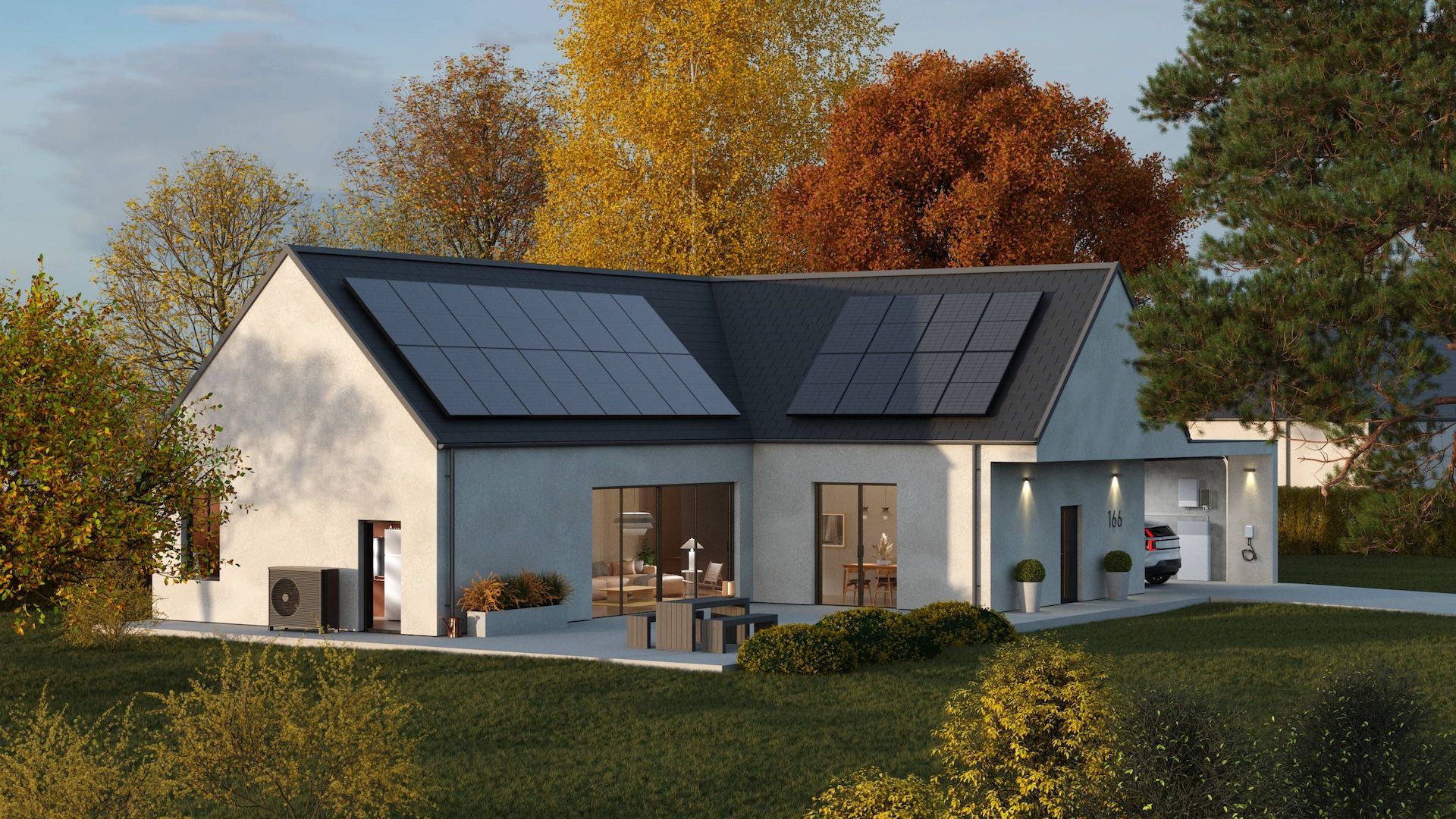
Future-proofing your home energy
An energy-independent home isn’t a fixed setup – it’s something that can evolve over time.
New technologies are already changing how homes interact with energy.
Some battery systems can keep your home powered during a power cut with “island mode”. Electric vehicles are starting to act as additional storage through vehicle-to-home (V2H) technology. And smart tariffs reward households that shift energy use to cheaper times of day.
Homes with solar, battery storage and a heat pump are already set up to take advantage of these changes.
That’s exactly how the Aira Home Energy System is designed – not just to reduce your energy bills today, but to adapt as energy technology continues to evolve.
How to get started
You don’t need to install everything at once.
Most homeowners take a phased approach, starting with a heat pump, then adding solar and battery storage.
Each step builds on the last, gradually increasing how much energy your home can generate, store and use.
The bottom line
Energy independence doesn’t mean disconnecting from the grid. It means reducing how much you rely on it.
With solar panels, battery storage and a heat pump working together, you can generate your own energy, use it more efficiently, and protect yourself from rising energy costs.
For many homes, that means dramatically lower bills – and far more control over your home’s energy.

Related articles
Solar & battery
today
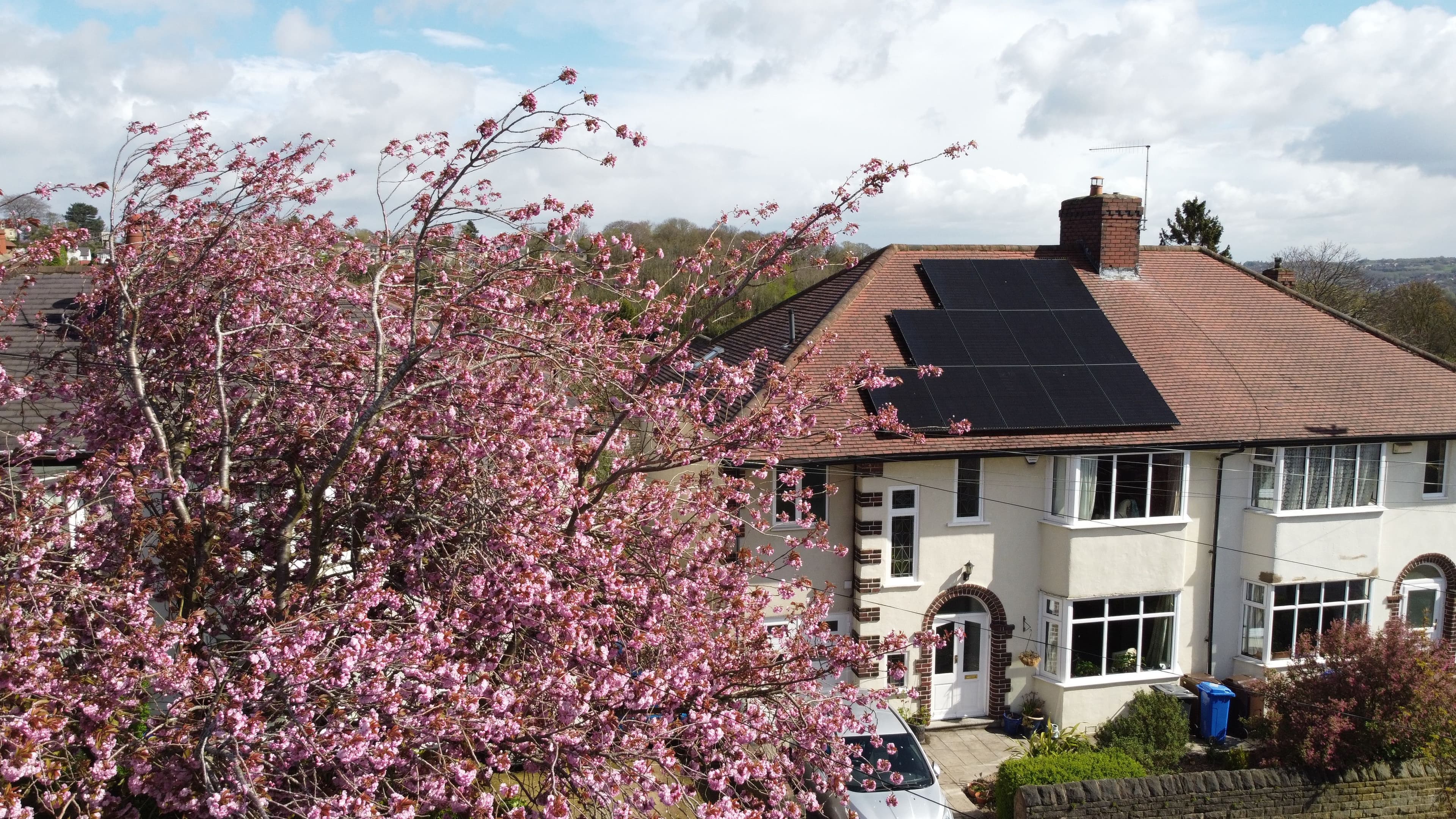
Can solar panels power a heat pump entirely?
Solar panels can power your heat pump. But only when they’re generating enough electricity. Discover how winter, battery storage and smart controls like Aira Intelligence determine how much of your heating can come straight from your roof.
Solar & battery
19 Jun 2026
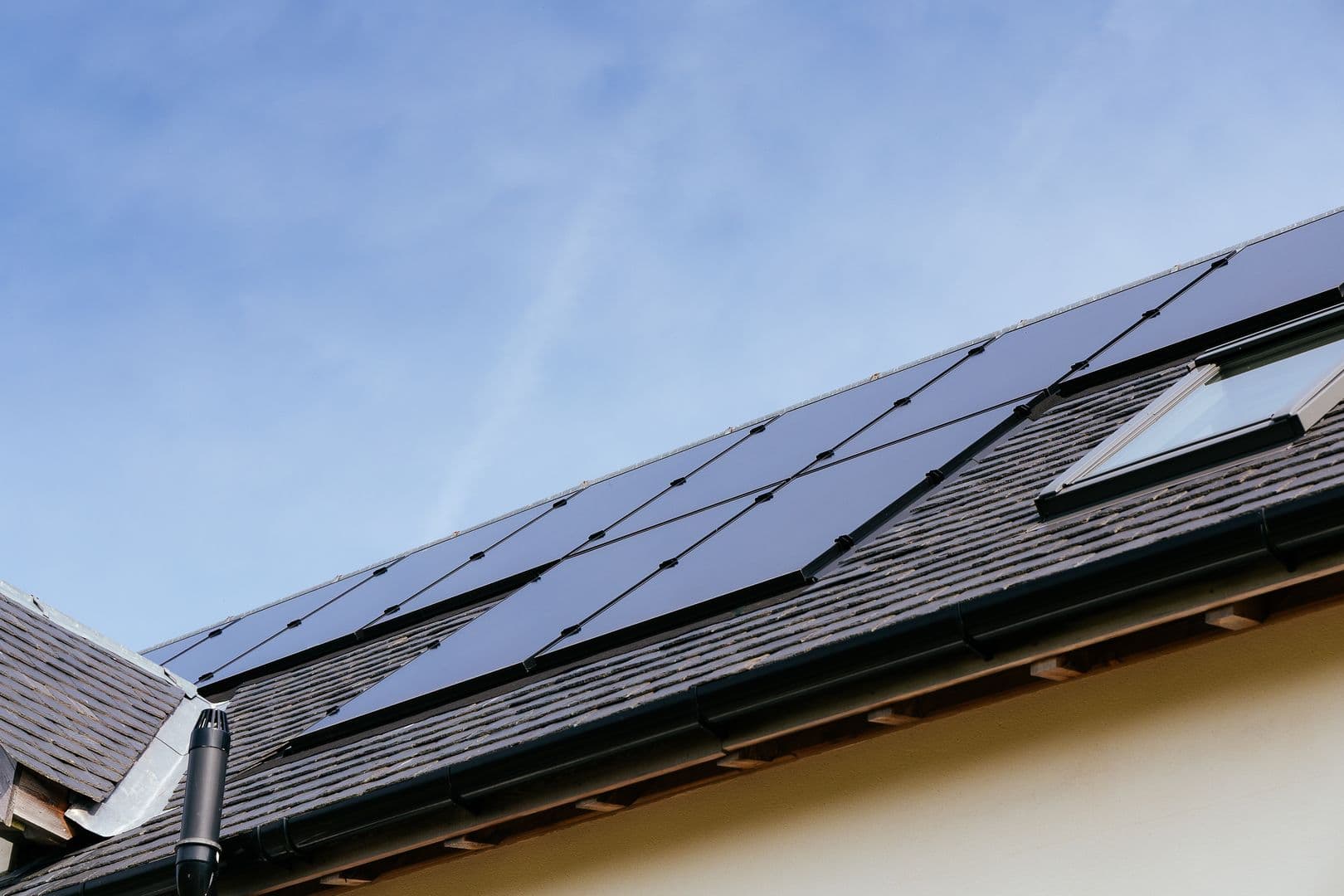
How to choose solar panels in 2026: a buyer’s checklist
Choosing solar panels is about more than finding the cheapest quote. This buyer’s checklist explains what really matters in 2026, from efficiency and wattage to warranties, shade optimisation and smart home energy systems.
Solar & battery
19 Jun 2026
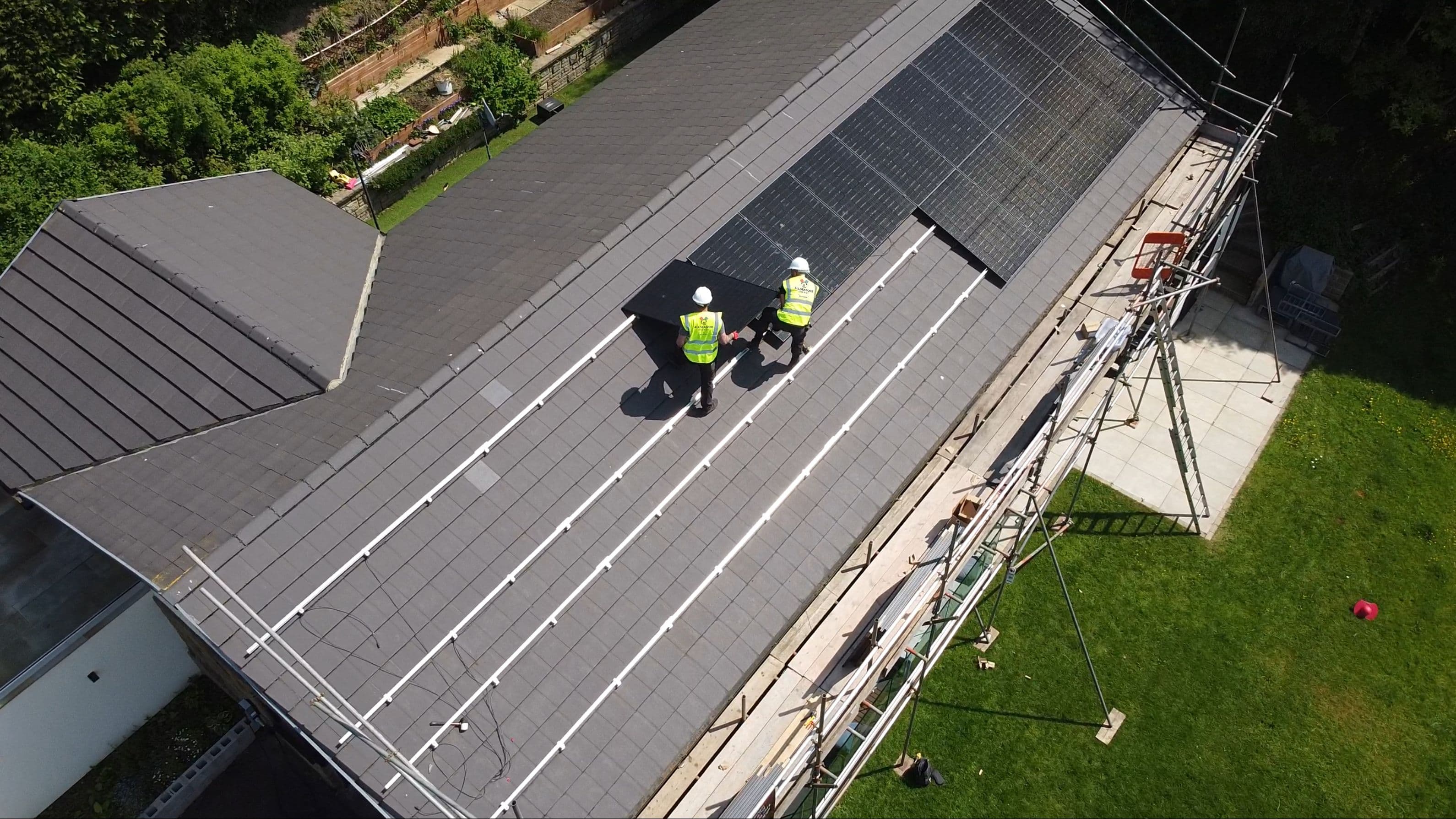
Solar panel cost UK: how much are solar panels in 2026?
Solar panels can significantly reduce how much electricity you buy from the grid, but how much do they actually cost? Discover average UK solar panel installation prices in 2026, what affects the final cost and whether adding battery storage is worth it.
Solar & battery
12 Jun 2026
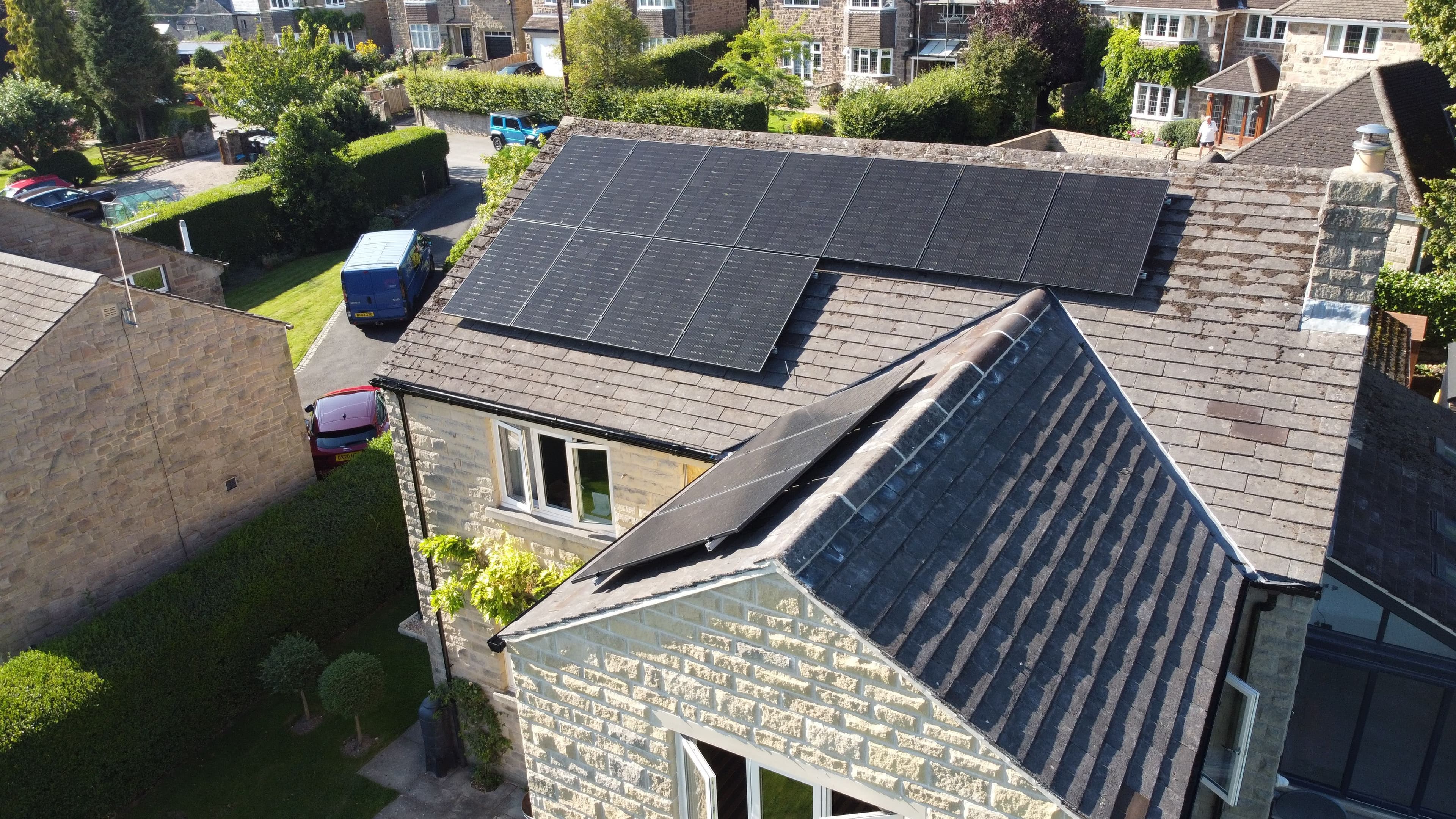
Are solar panels worth it in 2026?
Are solar panels worth it in 2026? For many UK homeowners, yes. Discover how much solar panels can save, when they might not be worth it, and why pairing them with a heat pump, battery storage and Aira Intelligence can unlock even bigger savings.
Solar & battery
30 Apr 2026
Solar panel grants and incentives in 2026
Solar panel grants in 2026 are more limited than many expect, but there are still ways to reduce costs and maximise savings. From 0% VAT to Smart Export Guarantee payments, here’s what’s actually available and how solar, battery storage and heat pumps work together to lower your energy bills.
Costs & benefits
3 Apr 2026
Adding a battery to existing solar panels: what to know in 2026
Already have solar panels? Adding battery storage lets you keep more of the electricity your panels generate and use it when it matters most. In this guide, we explain how to add a battery to existing solar panels in the UK, what to check first, and how Aira integrate solar, storage and heating into one intelligent setup.