30 April 2026
8 min read
Solar panel grants and incentives in 2026

Published on
30 April 2026
Time to read
8 minutes
Key takeaways
- Solar panel grants in 2026 are limited, with schemes like ECO4 and Warm Homes targeting low-income and energy-inefficient households.
- Most homeowners benefit from incentives instead, including 0% VAT on solar panels and payments through the Smart Export Guarantee (SEG).
- Solar panels, battery storage and heat pumps together can cut energy bills by up to 50%, even without a grant. Add earnings from selling excess electricity back to the grid, and overall energy costs could fall by up to 80%.
Thinking about solar panels in 2026? You’re not alone.
With energy prices still unpredictable, more homeowners are looking for ways to generate their own electricity and reduce their reliance on the grid. Solar panels – especially when paired with battery storage – are one of the most effective ways to do that.
But what about the grants to help with the upfront costs? For a heat pump, there’s the Boiler Upgrade Scheme, which offers £7,500 for eligible households to replace their gas boiler (and £9,000 to replace their oil or LPG boiler). So, are there any for solar, too.
The reality is, while there are solar panel grants available in 2026, most are targeted at a small group of households. For the majority of homeowners, the real savings come from a combination of incentives, smart energy use, and long-term bill reductions.
Here’s what’s actually available. And what it means for you.

Talk to a Clean Energy Expert
Are there solar panel grants in 2026?
Yes. But, most people won’t qualify.
Today’s solar panel grants are largely designed to support households that need the most help. That usually means lower-income households, homes with poor energy efficiency, or those at risk of fuel poverty.
If that’s not your situation, you’re unlikely to receive full funding for solar panels.
But that doesn’t mean solar isn’t worth it. In fact, for most homeowners, the biggest benefits now come from a mix of incentives (like 0% VAT), and the ability to generate, store and use more of your own energy.
What solar panel grants and incentives are available?
There are still several schemes in place across the UK, but they vary depending on where you live – and whether you meet the eligibility criteria.
1. ECO4: funding for eligible households
The ECO4 scheme is one of the main ways households can access fully funded solar panels in 2026.
It’s a government-backed programme that requires large energy suppliers to fund energy efficiency improvements in homes that need them most. In some cases, this can include solar PV – usually as part of a wider package of upgrades like insulation or heat pumps.
The scheme is available across Great Britain and has been extended to run until December 2026.
However, it’s important to be realistic about eligibility. ECO4 is aimed at households receiving certain benefits or living in low-income or energy-inefficient homes. Even then, solar panels aren’t guaranteed – they’re only installed if they’re considered the right solution for your home.
You may be eligible for ECO4 funding if:
- your household income is typically below £31,000
- you receive certain benefits (such as Universal Credit, Pension Credit or Housing Benefit)
- your home has a low energy rating (usually EPC D, E, F or G)
- you own your home or rent privately (with landlord permission)
You may also qualify through your local council under LA Flex, which can consider wider circumstances like health conditions or vulnerability to cold homes.
2. Warm Homes schemes (England and Wales)
In England and Wales, solar panels may also be funded through locally delivered schemes like the Warm Homes: Local Grant or the Warm Homes Nest Scheme.
These programmes focus on improving the energy efficiency of homes that are struggling with high energy costs. Depending on your circumstances and location, they may include solar panels and even battery storage as part of a broader upgrade.
The key difference here is that these schemes are often managed by local authorities. That means you usually can’t apply directly – your eligibility is assessed based on where you live and your household circumstances.
You may be eligible for Warm Home schemes if:
- your household income is typically below £36,000, or you receive certain benefits
- your home has a low energy rating (usually EPC D, E, F or G)
- you live in an area selected for funding by your local authority
- you own your home or rent privately (with landlord permission)
In Wales, the Nest scheme may also consider health conditions that are made worse by living in a cold home.
3. 0% VAT: the most widely available support
If you don’t qualify for a grant, this is the one incentive that applies to almost everyone.
Solar panels, heat pumps and home battery storage are currently subject to 0% VAT across the UK. That means the tax you would normally pay on installation has been removed entirely.
To put that into context, if your solar installation costs £10,000 (to pick out a nice round number), you would have previously paid:
- £12,000 with 20% VAT
- or £10,500 with 5% VAT
It’s automatically applied, so there’s nothing to apply for – but it can make a meaningful difference to the upfront cost.
This policy is currently set to run until March 2027, after which VAT is expected to return at a reduced rate.
4. Smart Export Guarantee: get paid for the solar energy you don’t use
The Smart Export Guarantee (SEG) isn’t a grant, but it’s still an important part of the picture.
It allows you to earn money by exporting excess electricity back to the grid. If your solar panels generate more energy than you use (they likely will in the summer months), your supplier will pay you for it – with rates varying depending on your tariff.
To qualify, your system needs to be installed by an MCS-certified installer (like us), and you’ll need a smart meter capable of measuring export.
It won’t reduce the upfront cost of solar, but it can improve your overall return on your investment.
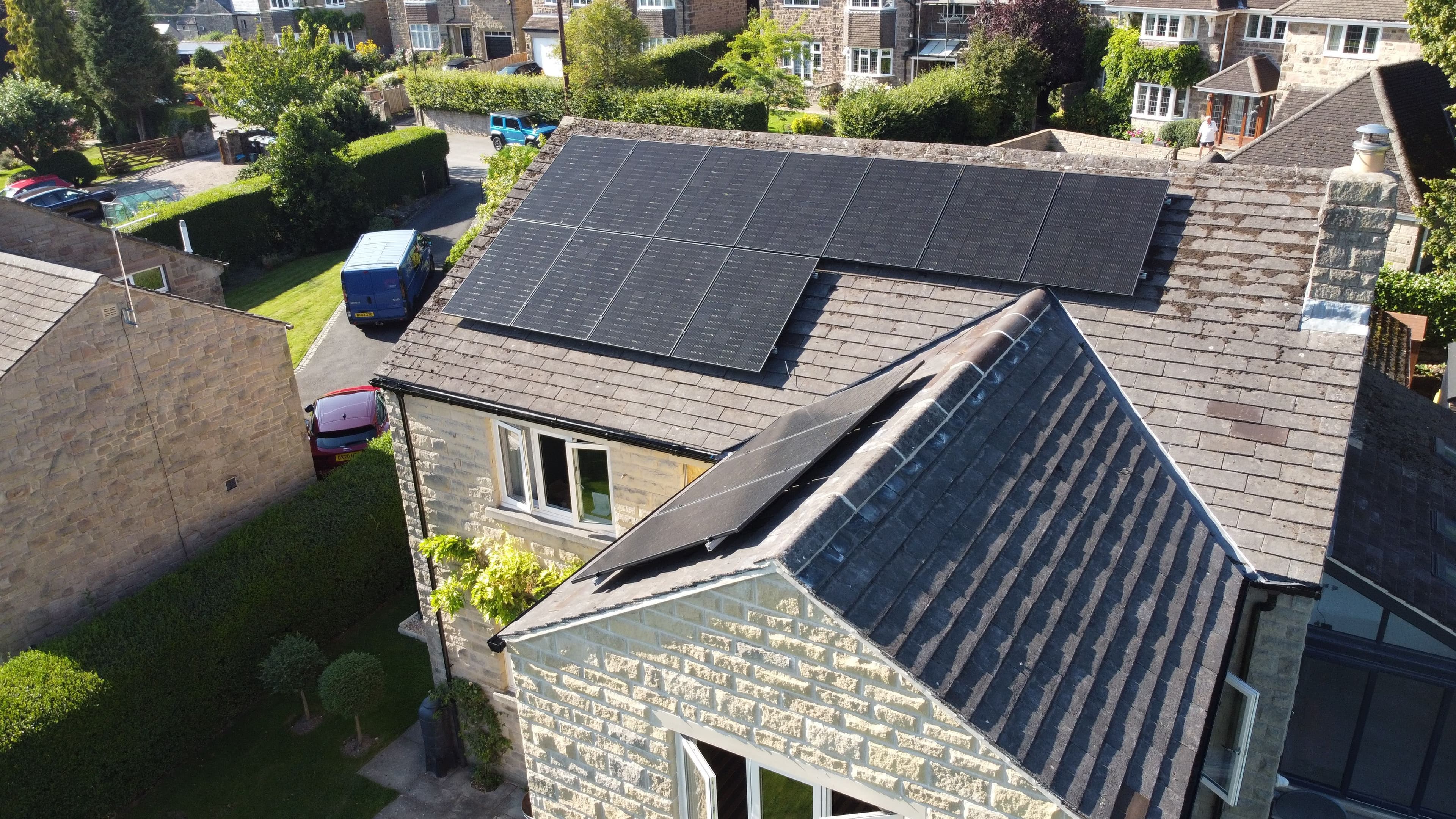
For example, we estimate that a typical three-bedroom home with around 14 solar panels and battery storage could export roughly 2,400 kWh of electricity per year. At an average export rate of 15p per kWh, that’s up to £9,800 in payments over 20 years.
Solar panel grants and support in Scotland
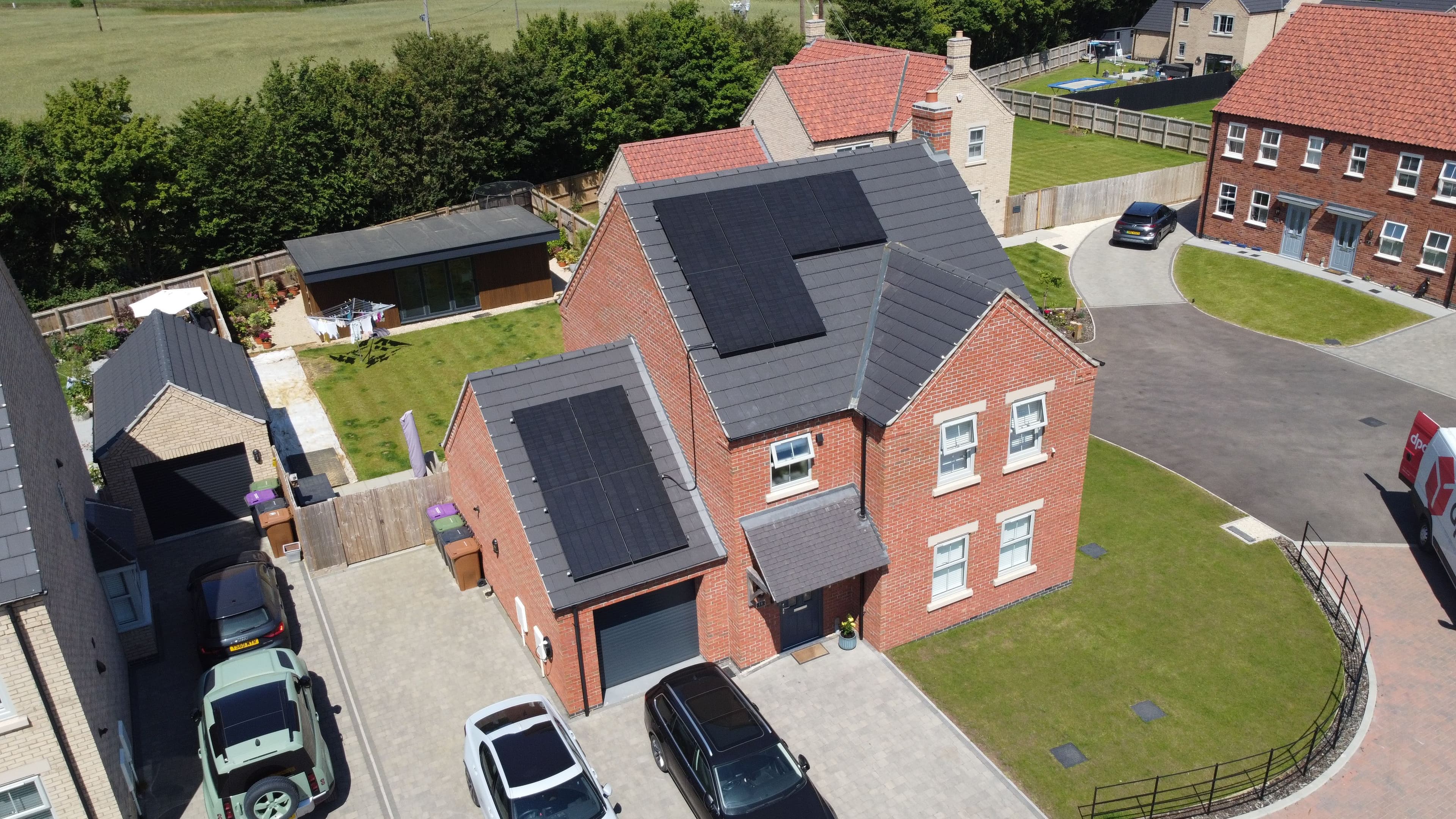
The Home Energy Scotland Grant and Loan still offers generous support for improving your home’s energy efficiency and switching to low-carbon heating. This includes a grant of up to £7,500 for a heat pump (£9,000 for rural homes), plus an optional £7,500 interest-free loan.
However, funding for standard solar PV and battery storage closed to new applications in June 2024. That means if you’re installing solar panels in Scotland today, you’ll typically need to fund that part separately.
Where support for solar in Scotland still exists
While solar panels themselves aren’t directly funded, you may still be able to access significant support as part of a wider home upgrade. For example:
- grants and loans are available for heat pumps and insulation, which can reduce your overall energy demand
- improving your home’s efficiency can make a solar system more effective and better sized
- interest-free loans can still help cover other elements of your energy system
In practice, this means many homeowners in Scotland choose to:
- use available funding to upgrade their heating and insulation
- then install solar and battery alongside it to maximise long-term savings
You may be eligible for solar support in Scotland if:
- you own your home and it’s your main residence
- your home meets minimum energy efficiency requirements (or is being upgraded to meet them)
- you’re installing eligible measures like a heat pump or insulation
Unlike some schemes in England and Wales, this support isn’t strictly limited to low-income households, which makes it more widely accessible.
What about solar battery grants?
There are currently very few grants that focus specifically on battery storage.
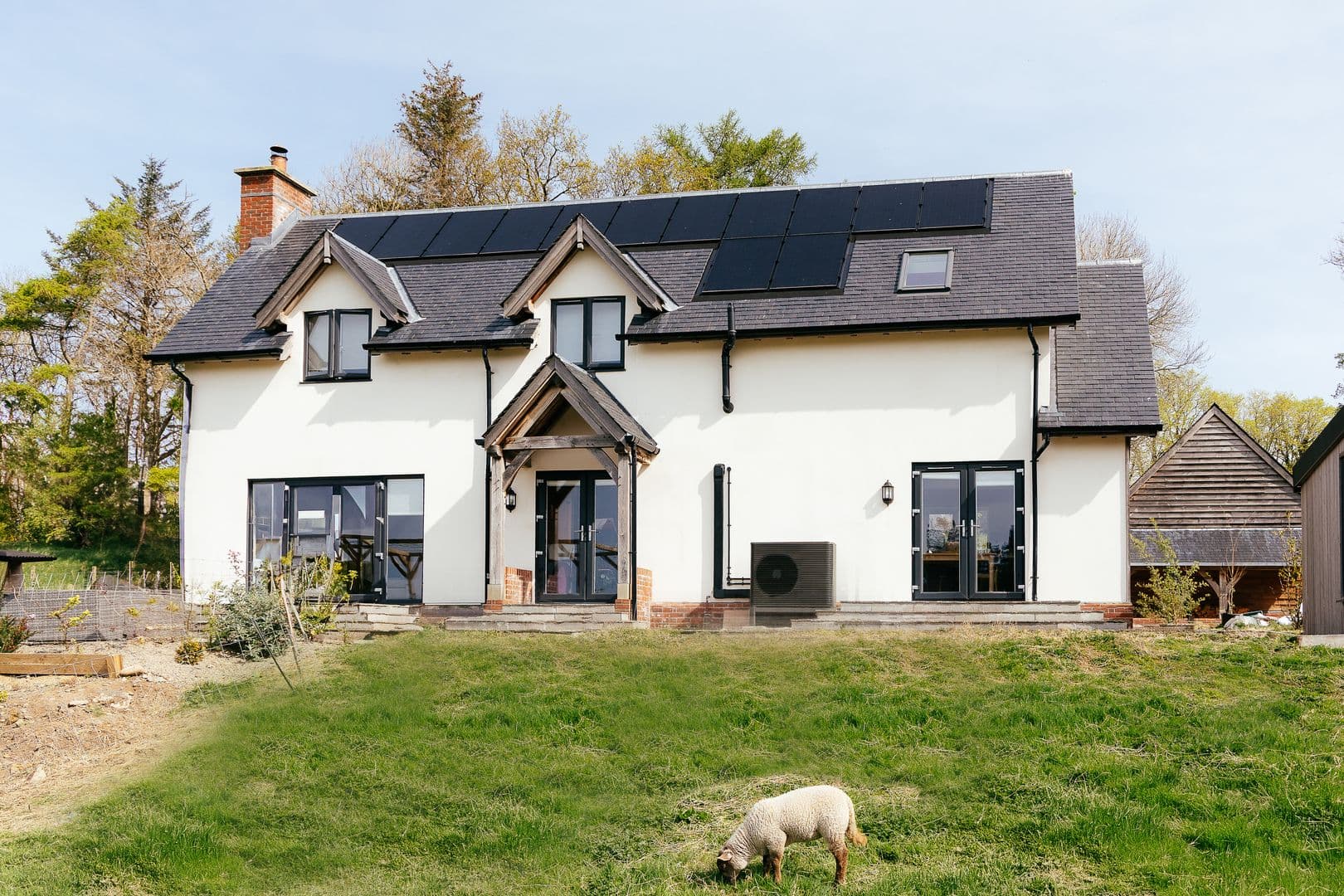
However, home batteries are still supported indirectly. The 0% VAT policy applies to battery installations, and some wider schemes (like ECO4 or Warm Homes) may include battery storage where appropriate.
More importantly, battery storage is what allows you to get the most out of your solar panels. Instead of exporting excess energy during the day, you can store it and use it later – like when electricity is more expensive.
Which solar grants have ended?
If you’ve been researching solar for a while, you may have come across schemes that are no longer available.
The most well-known is the Feed-in Tariff (FiT), which closed to new applicants in 2019 and was replaced by the Smart Export Guarantee (SEG), which pays you for the electricity you export back to the grid.
Other schemes that have since ended include:
- Renewable Heat Incentive (RHI) – closed in 2022
- Home Upgrade Grant (HUG) – ended in 2025
- Green Deal – ended in 2015
- Home Energy Scotland solar funding – closed to new applications in 2024
Over time, government support has shifted away from broad, universal incentives and towards more targeted funding for specific households.
What if you don’t qualify for a solar grant?
This is where most homeowners find themselves. But, this is where the conversation should change into something more positive.
Even without a grant, solar panels can still significantly reduce your energy bills. The combination of 0% VAT, export payments through SEG, and the ability to generate your own electricity means you’re far less exposed to rising energy prices.
You can also spread the cost with finance options – for example, from 5.9%APR representative with Aira – making it easier to install a system without a large upfront payment. Some banks also offer up to £1,000 in cashback to install solar panels, and £2,000 for a heat pump installation.
And when solar is combined with battery storage and heat pumps, the impact becomes much bigger.
Why solar, battery storage, and heat pumps work better together
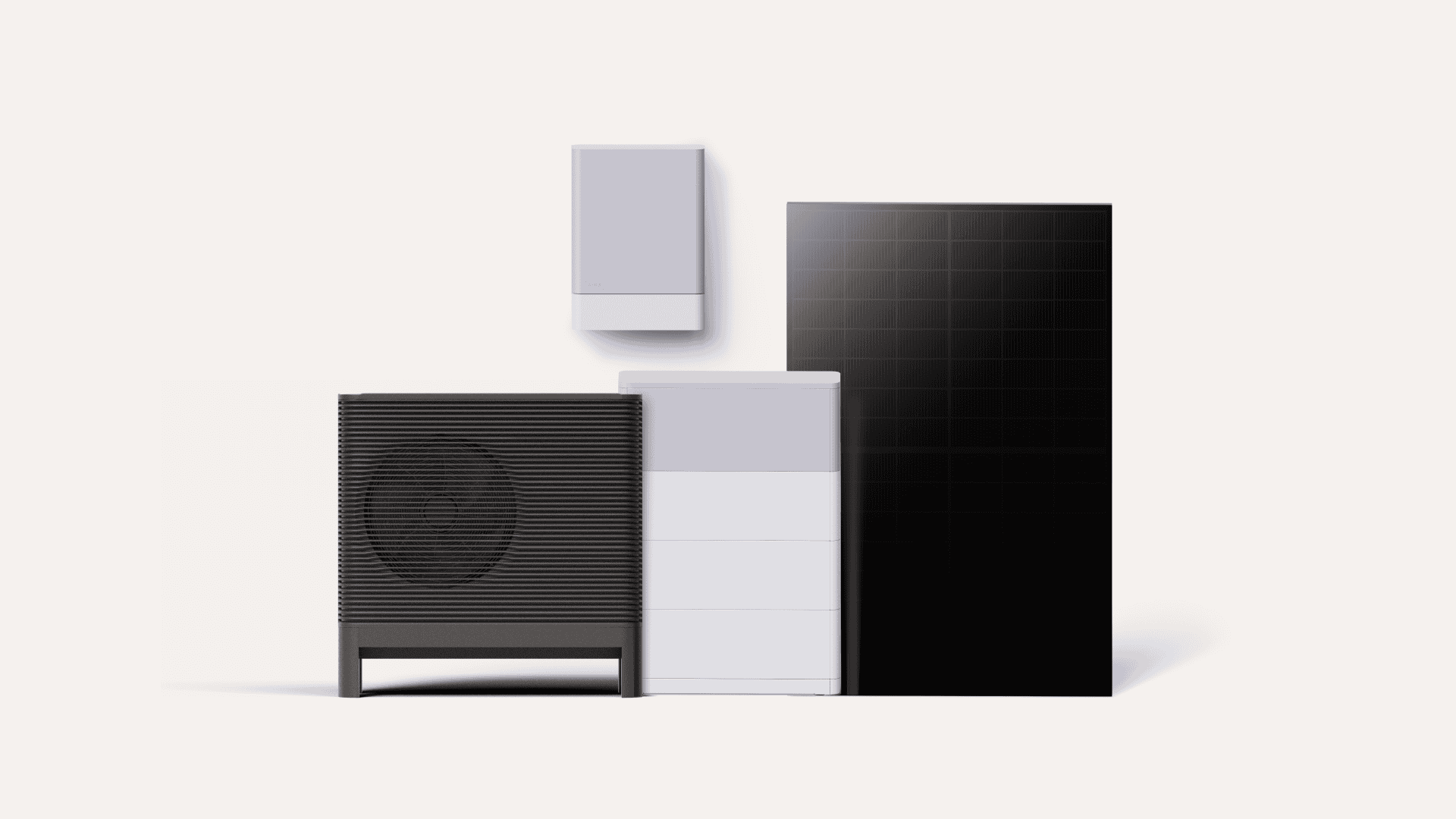
Solar panels are at their most effective when they’re part of a wider home energy system.
During the day, your panels generate electricity. With battery storage, you can hold onto that energy and use it later – like in the evening, overnight, or when electricity prices are higher.
Pair that with a heat pump, and you can use your own electricity to heat your home as well as power it.
Together, this can dramatically reduce how much energy you need to buy from the grid – and in some cases (like with the Aira Home Energy System), lead to up to 50% savings on energy bills when switching from a gas boiler. Add earnings from selling excess electricity back to the grid, and overall energy costs could fall by up to 80%.
The bottom line
Solar panel grants still exist in 2026, but they’re not as widely available as many people expect.
Most are targeted at households that need financial support the most. For everyone else, the real opportunity lies in combining incentives, generating your own energy, and using more of it at home.
Solar panels are no longer just about accessing funding. They’re about taking control of how your home is powered – and reducing your energy bills for the long term.
See how much you could save with a heat pump, solar panels and battery
Answer 4 quick questions about your home to get started
What type of house do you live in?

Related articles

Costs & benefits
21 Dec 2023
UK Boiler Upgrade Scheme gets £1.5bn funding boost to help take more homes off gas
The UK’s Boiler Upgrade Scheme (BUS) – which provides homeowners with grants to switch from fossil fuel heating systems to clean energy heat pumps – will receive an extra £1.5bn in funding to support the electrification of residential heating in the UK.