
17 December 2024
3 min read
Why is my heat pump freezing up?

Published on
17 December 2024
Time to read
3 minutes
Key takeaways:
- Air source heat pumps can function in temperatures as low as -25ºC
- Despite working well in sub-zero temperatures, it is always good to check for ice and snow buildup on your heat pump
- If freezing persists, it is best to contact professional support to resolve the issue
Heat pumps are versatile systems that keep your home warm in winter and cool in summer. However, freezing problems often arise without enough airflow, low refrigerant levels, or malfunctioning components. While the Aira Heat Pump can work efficiently at temperatures as low as -25ºC, ice buildup can reduce efficiency and damage the system if left unaddressed.
Common causes of heat pump freezing
- Restricted airflow: Blocked air filters, obstructed ductwork, or debris around the outdoor unit can cause the coils to cool excessively, leading to ice formation. Cleaning or replacing air filters regularly and clearing any obstructions can help maintain proper airflow.
- Low refrigerant: Refrigerant is essential for absorbing heat, but leaks can reduce its effectiveness, causing the coils to freeze. Because refrigerants can be hazardous, addressing leaks or replenishing refrigerant should always be handled by a professional technician. The Aira Heat Pump uses R290, which is natural, efficient, non-toxic, and won’t harm the ozone.
- Dirty coils: When grime builds up on the evaporator or condenser coils, heat transfer is impaired, causing the system to work harder and potentially freeze. Cleaning these coils with soapy water or a coil cleaner helps maintain efficiency. Coil maintenance is standard with professional servicing, and ensures thorough and damage-free cleaning.
- Malfunctioning reverse valve: The reversing valve enables the system to switch between heating and cooling modes, and if it gets stuck, the system might fail to defrost properly. Similarly, issues with the defrost control board can disrupt the defrost cycle, leaving ice to accumulate. These components are integral to the system’s performance and require professional diagnosis and repair.
Signs of a frozen heat pump
Recognising the signs of a frozen heat pump is crucial. Ice or frost on the outdoor unit is the most obvious indicator, but other symptoms include reduced heating efficiency, unusual noises, poor airflow, and rising energy bills. Conducting a visual inspection can help you identify problems. Look for ice on the coils, clear any debris around the unit, and check the air filters. If the system continues to freeze despite troubleshooting, contact our Customer Care team and we’ll be more than happy to help.
Preventative maintenance to avoid freezing
Preventative maintenance is the key to avoiding heat pump freezing. Scheduling regular service with Aira’s highly trained technicians ensures components are clean and functioning properly. Smart features, like Aira Intelligence, and installing a programmable thermostat, like the Aira Thermostat, help maintain consistent temperatures, reducing strain on the system. Proper airflow is also critical; keeping filters clean, ducts unobstructed, and the area around the outdoor unit clear prevents freezing.
Conclusion
When your heat pump freezes, don’t wait for the problem to get worse. If defrosting doesn’t resolve the issue or you notice persistent problems like low refrigerant or faulty components, get in touch with us so we can resolve the issue. With regular care and timely repairs, your heat pump can keep your home cozy and efficient all winter long.
What type of house do you live in?

Related articles

Solar & battery
today
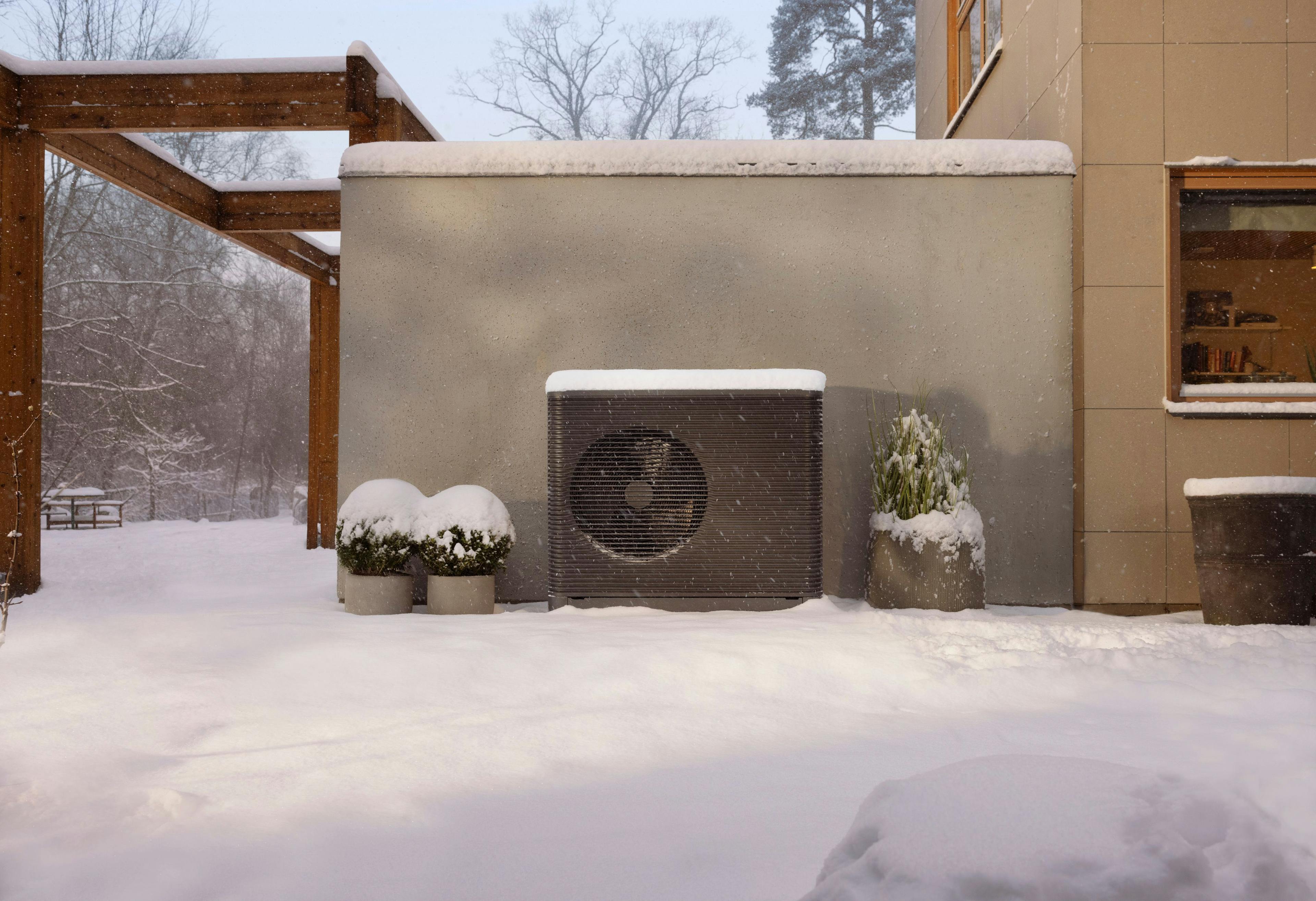
Can solar panels power a heat pump entirely?
Solar panels can power your heat pump. But only when they’re generating enough electricity. Discover how winter, battery storage and smart controls like Aira Intelligence determine how much of your heating can come straight from your roof.
Performance & reliability
27 Sept 2024
Do heat pumps work below freezing?
When winter sets in, many question whether heat pumps can sufficiently heat homes in freezing temperatures. Modern heat pumps, however, are engineered to perform in cold climates, often operating effectively in sub-freezing conditions. Here's how they work and what to consider when selecting one for your home.
Heat pumps: The basics
29 Apr 2024
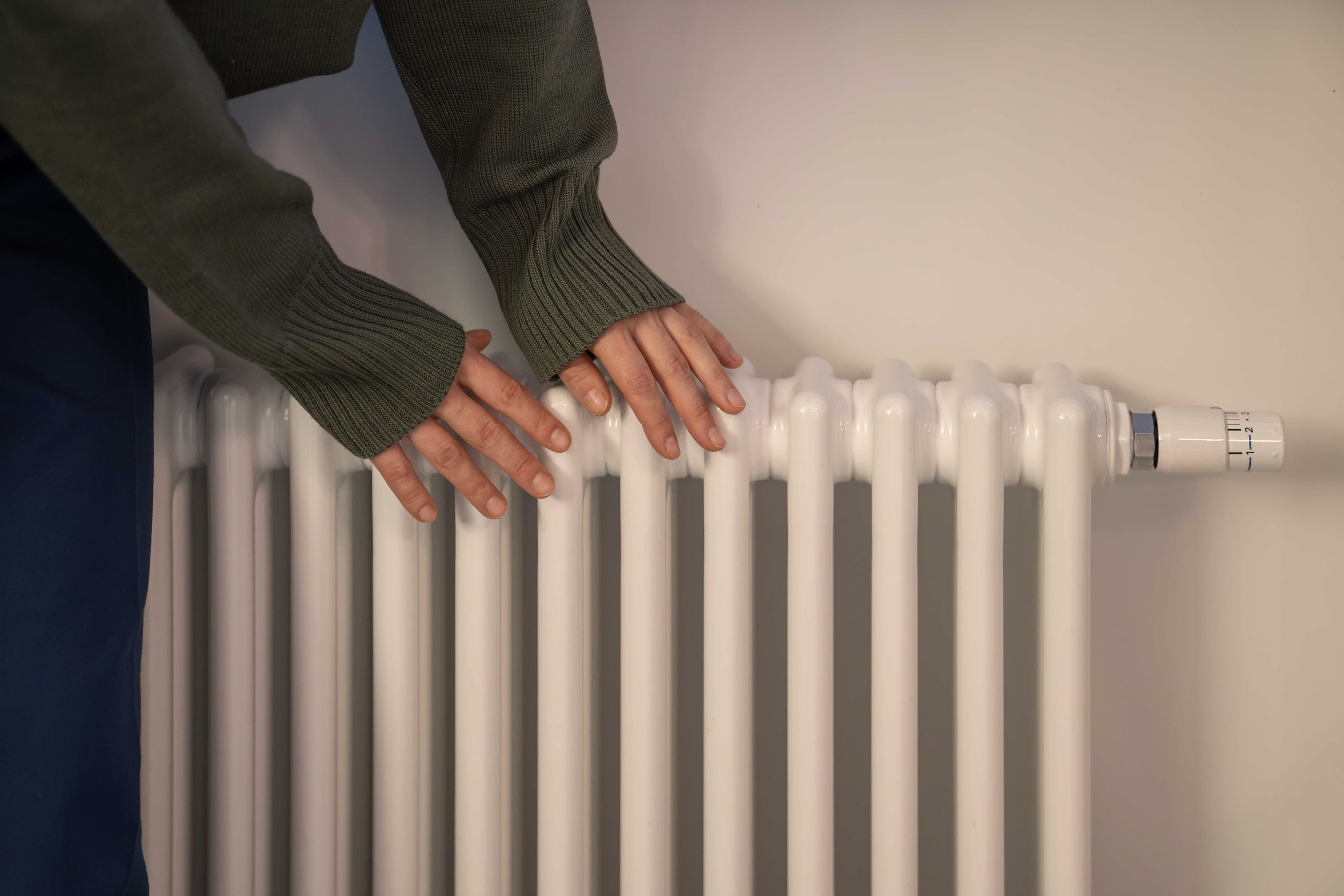
Do heat pumps work with radiators?
During chilly winter days, nothing is more synonymous with British home heating than the classic radiator. But can modern heat pump technology work in tandem with these age-old heat emitters?
Performance & reliability
16 Jan 2024
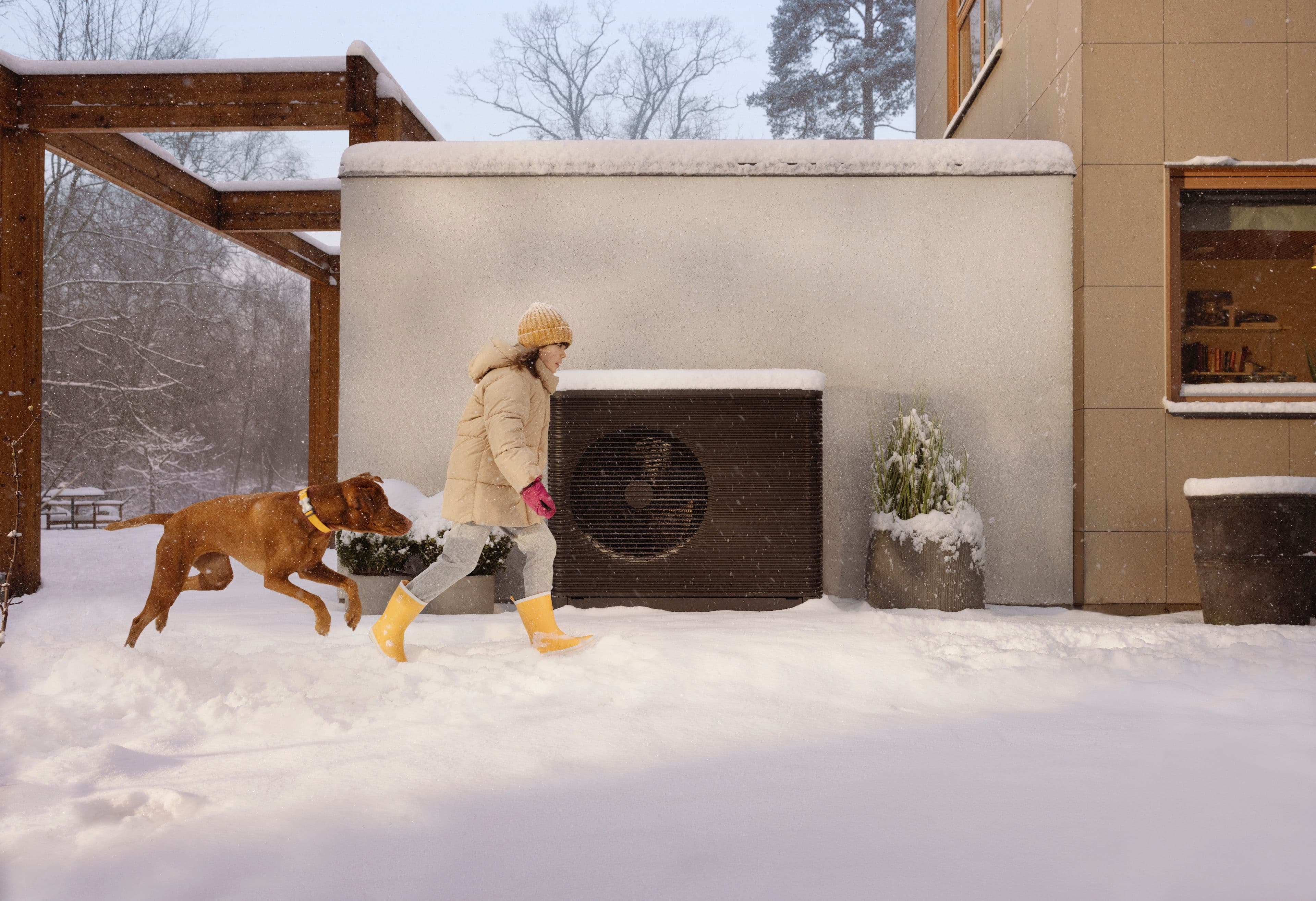
Do heat pumps work in cold weather?
If you’re looking to upgrade your heating system to a heat pump, you’ll no doubt be asking “do heat pumps really work in cold weather?”. The short answer: absolutely. Learn all about how they do it.