
22 February 2026
5 min read
Why your heat pump bills might be higher than expected

Published on
22 February 2026
Time to read
5 minutes
A heat pump is an incredibly efficient technology. In the right home, it can produce three to five units of heat for every unit of electricity it uses.
But it isn’t magic.
If expectations are based on headlines rather than real-world variables, a higher-than-expected electricity bill can feel alarming. And that’s understandable.
A heat pump replaces gas with electricity. What you pay depends on how efficiently your home uses that electricity – and when.
Efficiency (measured by COP and SCOP) matters. But so do insulation, temperature settings, hot water habits, system sizing and your energy tariff.
Savings don’t happen by default. They happen when the system is designed and used properly.
What actually affects heat pump running costs?
Running costs aren’t determined by the appliance alone. They’re shaped by the whole home.
The biggest influences are:
- How well your home retains heat
- Your target temperatures
- Your hot water usage
- How the system is scheduled
- Whether you’re on a smart tariff
And whether the heat pump has been correctly sized and installed
Comparing a heat pump directly to a gas boiler without considering these factors can be misleading. They operate differently – and respond differently to how a home is managed.
Understanding the relationship between these elements is the first step to lowering your bills.
Common causes of higher electricity bills with a heat pump
1. Settings that work against the system
Heat pumps work best steadily, not in bursts.
If your temperature is set too high – or constantly adjusted – the system works harder than it needs to. The same goes for heating continuously when the house is empty.
Many homeowners carry over habits from gas boilers. But heat pumps work best in consistent, moderate temperatures.
With an Aira Heat Pump, you can go further.
In the Aira app, switching to Savings mode in your Aira Intelligence settings allows slightly wider temperature variation, so the system can prioritise lower-cost energy periods while keeping your home comfortable.
2. Poor insulation and heat loss
No heating system can outperform a home that leaks heat.
If insulation is weak – walls, loft, windows, seals – heat escapes faster than it should. The heat pump must then work longer to maintain comfort.
Before blaming the system, check the building envelope. Insulation is your first line of defence.
This is why we do a thorough heat loss calculation before installing an Aira Heat Pump. To ensure heat’s not escaping and your heat pump stays efficient.
3. Incorrect sizing
Sizing matters.
An undersized heat pump may struggle during very cold periods and rely more heavily on electric backup heating; which is far less efficient.
An oversized system can short cycle, switching on and off too frequently, reducing efficiency and increasing wear.
Correct sizing is one of the biggest differentiators between an average installation and a high-performing one. This is why Aira conducts a full (and free) home assessment before design.
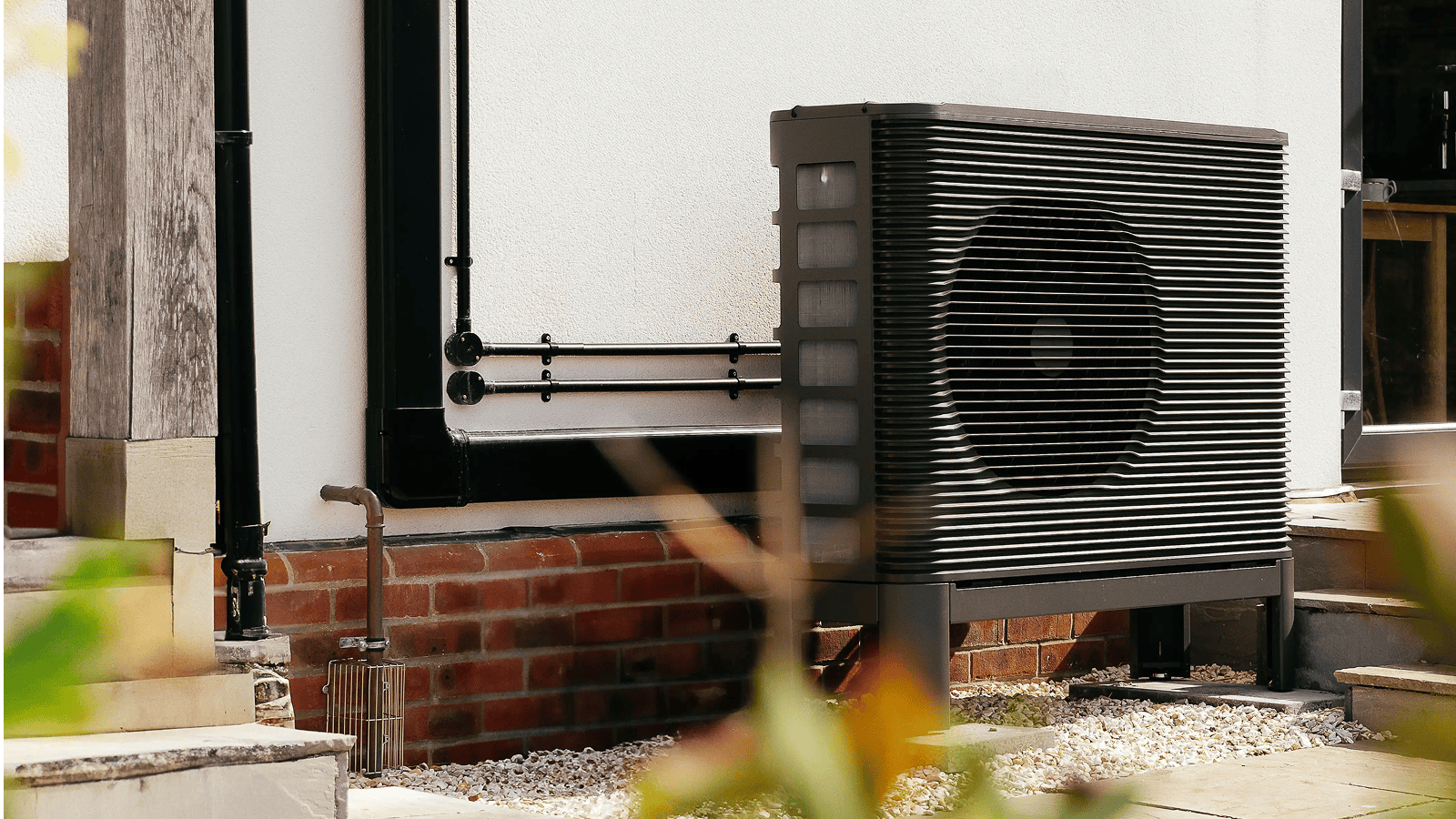
4. Backup heating activating too often
Most systems include electric backup elements for extreme conditions.
But if they’re running regularly, something isn’t right.
Electric backup has a COP of around 1 – meaning it produces one unit of heat per unit of electricity. A heat pump typically produces three or four.
If backup heating is frequently active, it’s worth investigating.
5. Inefficient hot water settings
Hot water can account for a significant share of your energy use – often more than people realise.
If your tank temperature is set higher than necessary, your heat pump has to work harder to maintain it. The higher the target temperature, the more electricity it uses.
Frequent “boost” cycles can also increase your bill. Every boost forces the system to reheat the tank immediately – often regardless of tariff or efficiency.
Small adjustments here can make a noticeable difference.
With the Aira Heat Pump, you can see how much hot water you have left in simple “shower minutes” in your app. That means fewer unnecessary boosts, and better visibility into how you’re using energy.
If you’re on a smart tariff, connecting it in the app allows your system to heat water when electricity is cheaper.
So you stay comfortable. Without heating more water than you need.
6. Lack of maintenance
Heat pumps are reliable. But like any system, they perform best when maintained.
Clogged filters, blocked airflow or neglected servicing can reduce efficiency.
As part of our all-inclusive plan, you get a service visit from us once every two years. Because small inefficiencies compound over time.
How to check your system’s efficiency
If your bill feels high, start with data.
COP measures instantaneous efficiency. SCOP measures seasonal efficiency – and is a better real-world indicator.
For a modern air-to-water heat pump, a seasonal performance of 3–4 is expected in most UK conditions.
But numbers alone don’t tell the full story. Look at:
- Your total electricity consumption
- Your heating-only consumption
- Outdoor temperatures
- When energy is being used
If you’re an Aira customer, your app gives you visibility into this – including estimated tariff savings when you’ve connected to your tariff and Smart Tariff Control is active.
Typical electricity consumption – what’s normal?
Every home is different. But as a rough guide:
A well-installed heat pump covering heating and hot water might use:
- 2,500–5,000 kWh per year in an average home
- 30–60 kWh per m² annually
Significantly higher consumption may signal an issue — but always compare like for like (insulation, climate, usage habits).
What you can do yourself
Before calling an engineer, try these:
1) Lower your heating temperature slightly
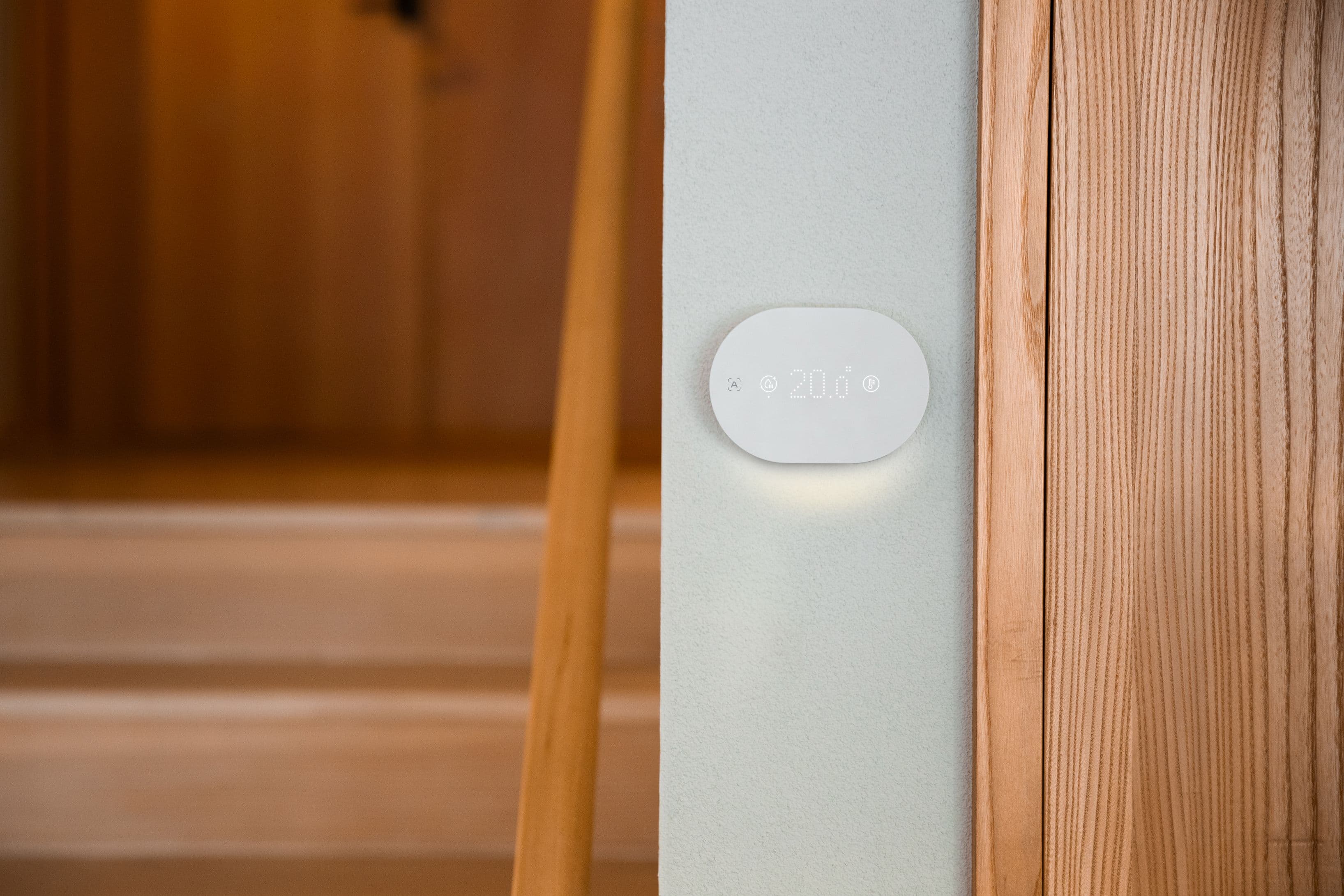
Aim for 19–21°C. Every degree lower can reduce energy use by 5–10%.
2) Use steady heating, not bursts
Heat pumps prefer consistency over rapid swings. Set your target temperature and let your heat pump do the work.
3) Connect to a smart tariff
If you’re on a dynamic tariff like Octopus Agile, connect it in the Aira app. Your system can then shift heating and hot water into cheaper periods automatically.
4) Switch to Savings in your Aira Intelligence settings
Allows slightly wider comfort variation so the system can prioritise lower-cost electricity.
5) Check filters and airflow
Clean filters and remove debris from the outdoor unit.
When to call a professional
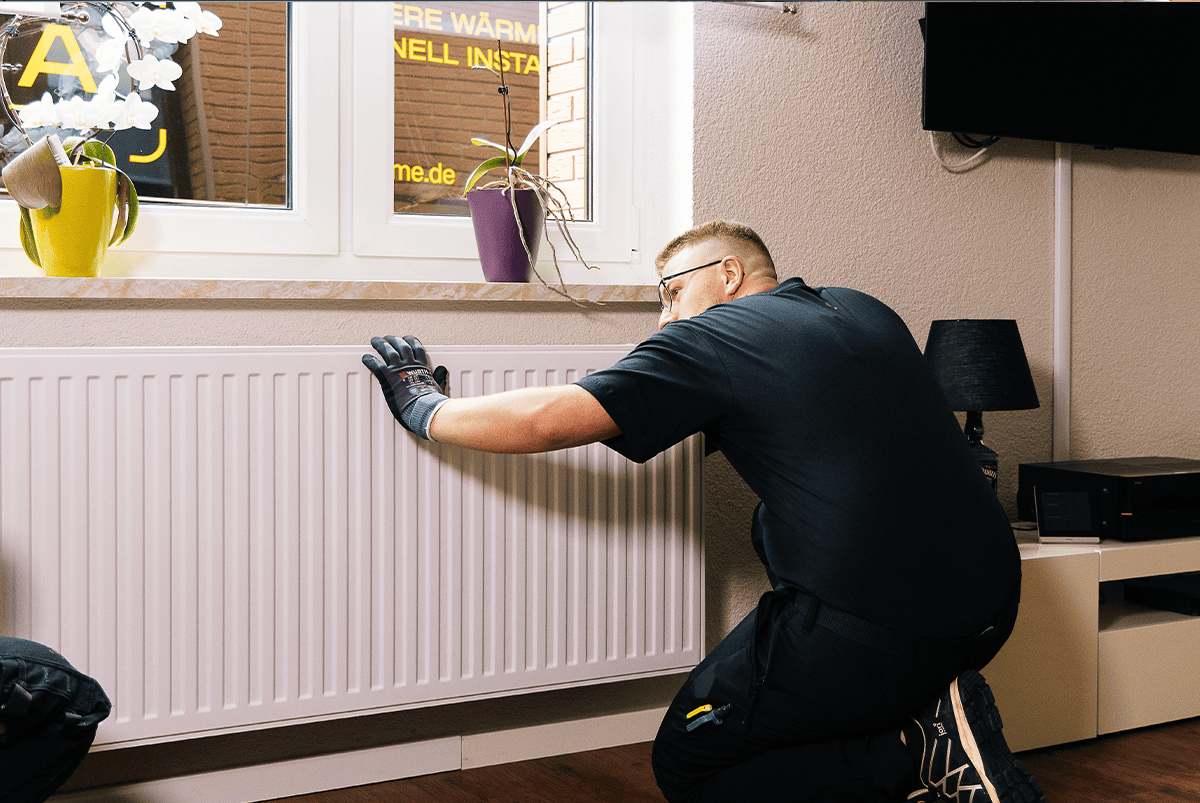
Call a technician if you notice:
- Excessive noise or vibration
- Frequent short cycling
- Inability to reach set temperatures
- Consistently high backup heating use
Refrigerant issues, compressor strain or hydraulic imbalance require professional attention.
A correctly installed and maintained system should feel stable and predictable.
The bottom line
A heat pump can reduce carbon and lower bills. But real heat pump savings depend on:
- Good design
- Proper installation
- Smart usage
- The right tariff
- And ongoing optimisation
With the Aira Heat Pump, optimisation isn’t an afterthought. Simply connect your tariff (we recommend a dynamic tariff like Octopus Agile) in a few taps in your app, set your target and tank temperature and let your heat pump, and Aira Intelligence, do the rest.
If you want to prioritise savings, head into your app and select Savings in your Aira Intelligence settings.
Want to see how much you could save with an Aira Heat Pump?
What type of house do you live in?

Related articles

Solar & battery
2 Oct 2026
Can solar panels power a heat pump entirely?
Solar panels can power your heat pump. But only when they’re generating enough electricity. Discover how winter, battery storage and smart controls like Aira Intelligence determine how much of your heating can come straight from your roof.
Performance & reliability
14 Apr 2026
Heat pump settings that reduce your bill
Small changes to your heat pump settings can make a big difference to your running costs. Here’s how to set your heat pump up for better efficiency, lower bills and year-round comfort.