19 September 2026
9 min read
Can solar panels power a heat pump entirely?

Published on
19 September 2026
Time to read
9 minutes
Key takeaways
- Solar panels can power your heat pump whenever they’re generating enough electricity. The grid makes up any shortfall.
- Your panels may generate as much electricity over a year as your heat pump uses, but generation and heating demand won’t always happen at the same time.
- A home battery lets you use more of your daytime solar after sunset. Smart controls - like Aira Intelligence - can take that even further by deciding when to use, store or sell your energy.
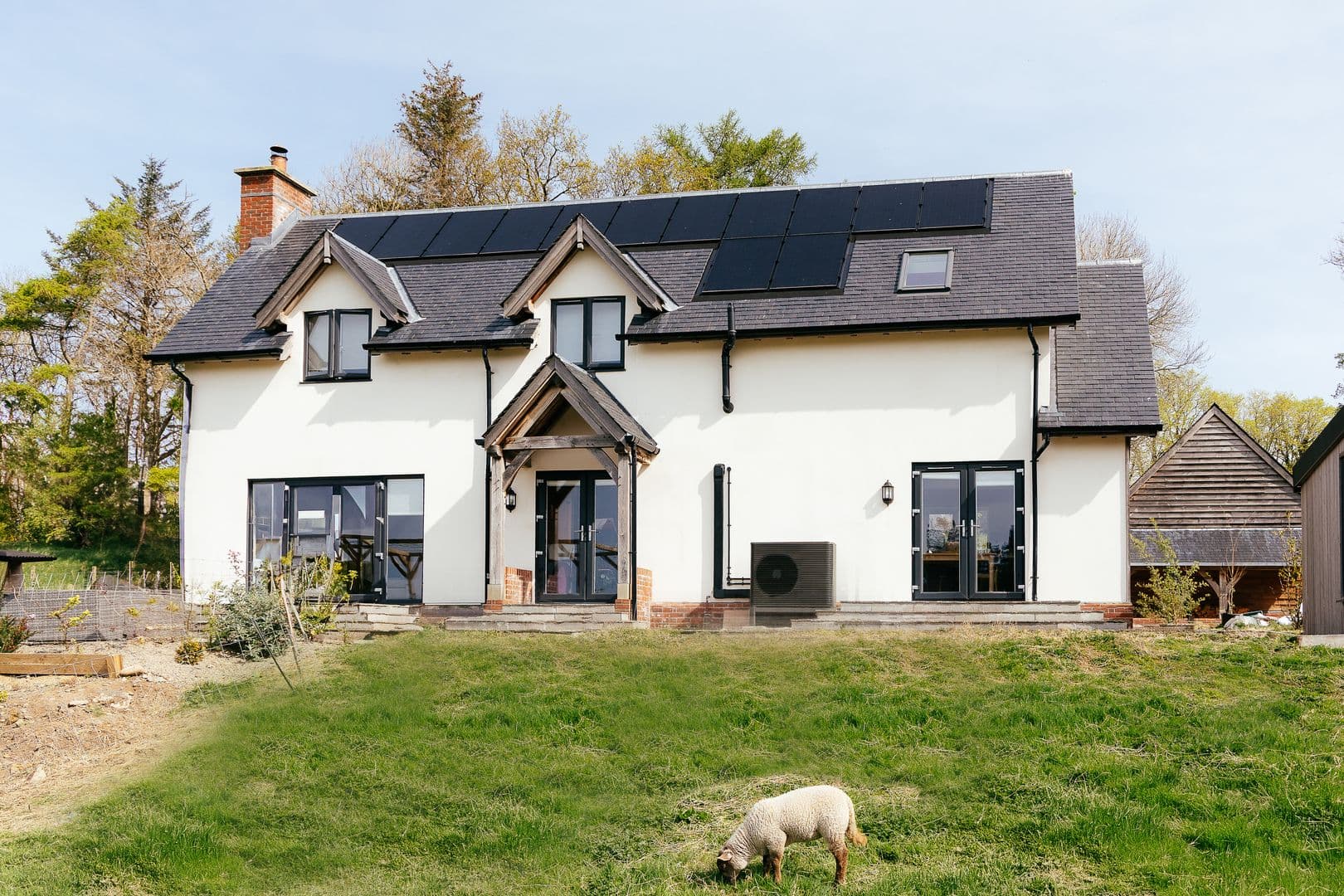
Of course, solar panels can power a heat pump. On a bright day, it’s beautifully simple: your panels generate electricity, and your heat pump uses it to keep your home warm and your hot water hot.
But entirely is a big word. It makes it sound like you can go completely off-grid. And, especially in the UK, that’s quite a hard thing to do.
Remember, your heating works hardest during winter, when the days are shorter and solar panels generate less electricity. Your heat pump also runs after sunset, when your roof isn’t generating anything at all.
So, could your solar panels generate as much electricity across a year as your heat pump uses? Quite possibly.
Could they power it directly, without any help from the grid, every hour of the year? That’s much harder.
How solar panels power a heat pump
Before we go any further, just to be clear, we’re talking about solar PV panels. These turn daylight into electricity, rather than solar thermal panels that use energy from the sun to heat water directly.
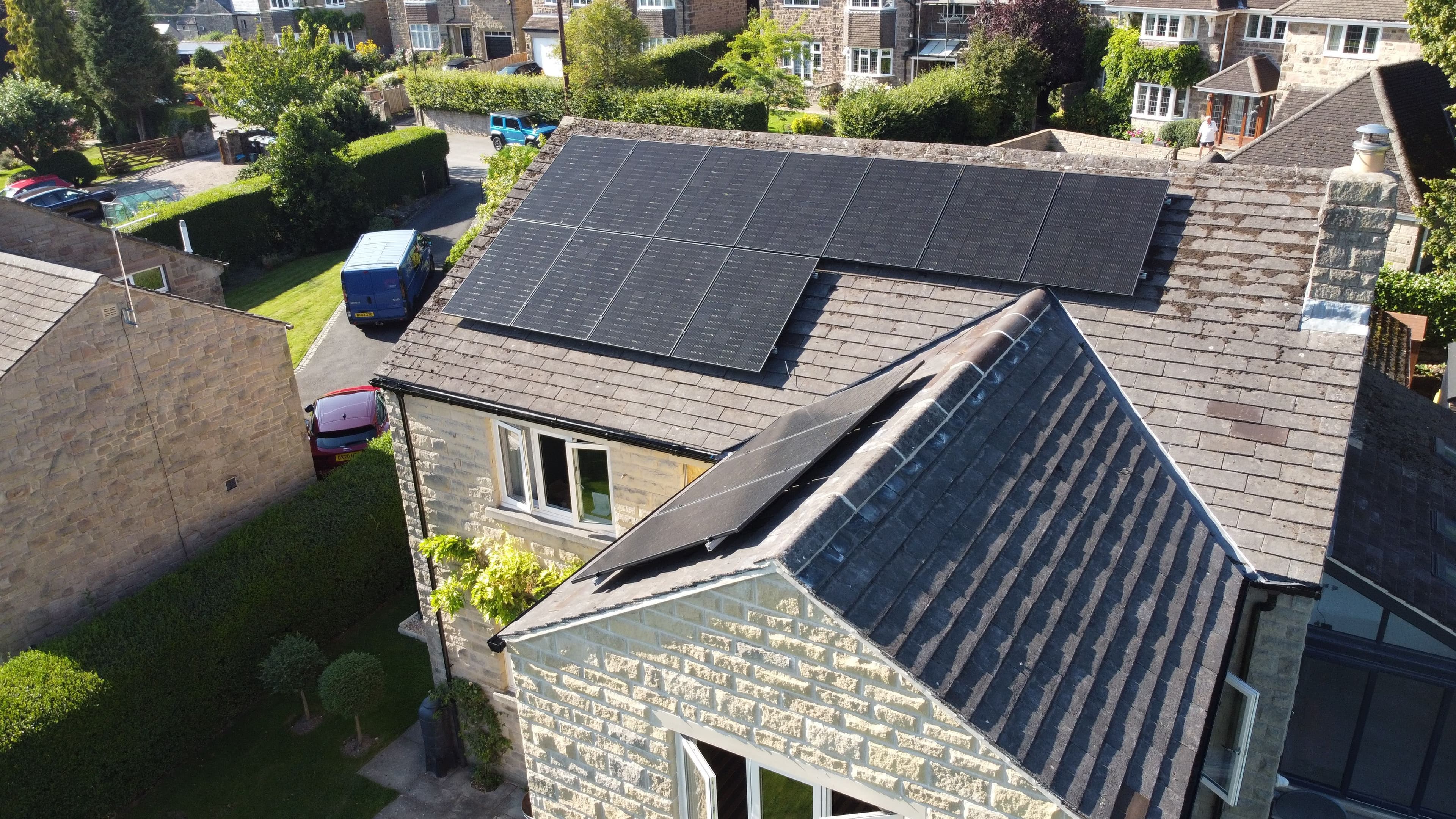
Solar panels generate direct current electricity, known as DC. Your home and heat pump use alternating current, or AC. An inverter – like the Aira Power Hub – converts the DC electricity from your panels into AC electricity your home can use.
That solar electricity can then power your appliances, including your heat pump. If the panels generate more than your home needs, the spare energy can charge a battery or be sold back to the grid. When they don’t generate enough, the grid quietly fills the gap.
You don’t need to keep choosing between solar and grid electricity. Your system handles that for you, using what’s available at the time.
Can solar panels power a heat pump entirely?
The word entirely is doing a lot of work here.
It could mean your solar panels power the heat pump directly whenever the sun is shining. It could mean they generate as much electricity across a year as the heat pump uses. Or it could mean your heat pump never needs electricity from the grid.
Those are three very different claims.
What "powered by solar" means | Is it realistic? |
Solar directly powers your heat pump during sunny periods | Yes |
Your panels generate as much electricity across a year as your heat pump uses | Possible for some homes |
Your heat pump runs without the grid every hour of the year | Technically possible, but rarely practical for a typical UK home |
A large enough solar system might generate as much electricity over a year as your heat pump uses. But that’s annual energy matching. Think of it more like balancing the books than powering your heat pump directly at all times, all year round.
You could export plenty of spare solar electricity on bright summer days, then draw electricity from the grid on dark winter evenings. By the end of the year, the two totals might match. But the energy wasn’t always generated when your heat pump needed it.
So, your solar panels could cover your heat pump’s yearly electricity use on paper without keeping it running entirely off-grid. That’s why annual matching and living entirely off-grid aren’t the same thing.
Can solar panels power a heat pump in winter?
There’s a frustrating bit of seasonal timing at work here.
Your solar panels generate the most electricity during the brighter months, when your home needs very little heating. Then winter arrives. Your heating demand rises just as the days become shorter and solar generation falls.
Your heat pump may also need to run early in the morning, through cloudy weather and after sunset. At those times, there may be little or no solar electricity available.
Energy Saving Trust says a suitably sized solar system may generate as much electricity annually as a heat pump uses in a typical home. But, the grid will still be needed when the heat pump is running and the panels aren’t generating enough.
None of this makes solar a bad match for a heat pump. Far from it. It simply means the grid remains a useful (and sometimes needed) part of the system.
How battery storage helps power a heat pump with solar
Without a battery, any solar electricity you don’t use straight away is normally sold back to the grid.
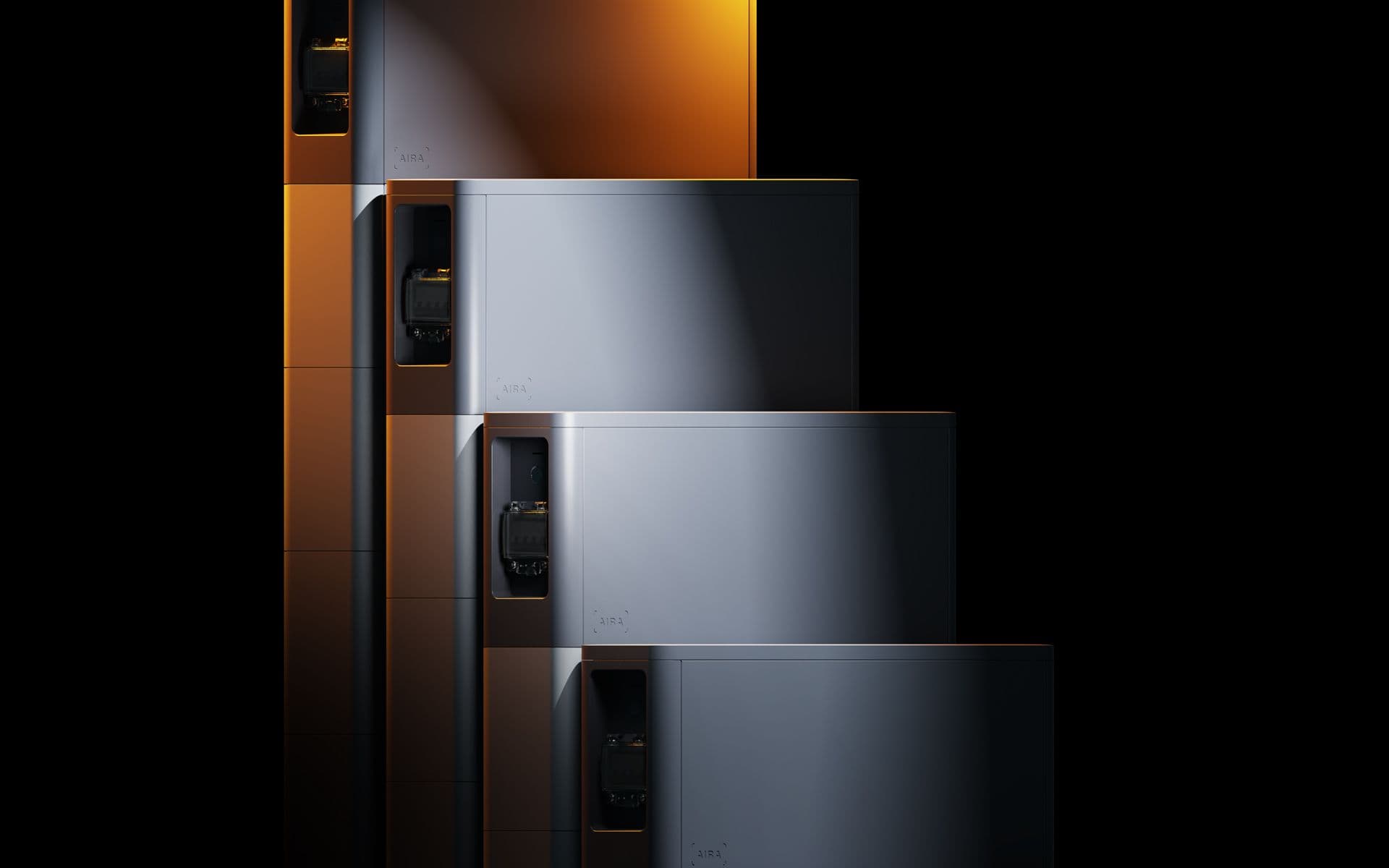
A home battery gives that spare electricity somewhere to wait for when you need it most. For example, solar generated during the afternoon can then help power your heat pump, lights and appliances later in the evening.
It can also charge from the grid when electricity is cheaper, depending on your tariff, then power the home when prices rise. That can still save money during winter, even when there isn’t enough sunshine to power your home and heat pump.
What a typical home battery can’t do is store spare electricity from July until January. Ultimately, it moves energy by hours, not seasons.
Once the battery is empty, the home returns to using grid electricity. And that’s completely normal. The aim of adding a battery isn’t necessarily to cut yourself off entirely from the grid; it’s to buy less electricity from it when prices are high. This saves you even more money on your energy bills.
Learn more about whether solar panels with home battery storage are worth it.
How many solar panels do I need to power a heat pump?
You may have seen claims that a certain number of solar panels can power a certain size heat pump. So, if you have a 6kW heat pump, you might assume you can simply add up enough solar panels to reach 6kW.
Sadly, homes don’t make the maths quite that easy.
The 6kW figure usually tells you how much heat the heat pump can deliver. It doesn’t mean the system constantly consumes 6kW of electricity while it’s running. Because a heat pump moves existing warmth rather than creating it from scratch, it uses considerably less electricity than the heat it provides. Exactly how much it uses changes with the weather, your home and the way the system runs.
That’s why dividing the heat pump’s headline output by the power of a solar panel won’t tell you how many panels you need.
The right number depends on:
- How much electricity your heat pump is expected to use across a year
- How quickly your home loses warmth
- The heat pump’s efficiency
- Your heating and hot-water habits
- The output of each solar panel
- Your roof’s size, direction and shading
- Where you live
- How much electricity the rest of your home uses
- Whether you have battery storage
A proper calculation starts with the heat pump’s expected annual electricity use and how much electricity your solar panels are likely to generate. It also needs to leave room for everything else hoping to use that solar energy. Your oven, washing machine and electric car will all want their share.
Your roof, home and routine affect the answer
Even with the right number of panels, how much solar electricity reaches your heat pump depends on your home and when it needs heating.
A correctly designed heat pump needs less electricity to keep the home warm. Good insulation also helps by holding on to that warmth for longer, reducing how hard the system needs to work.
Then there’s the roof. Its size, angle, direction and any surrounding shade all affect how much electricity your panels generate. South-facing roofs tend to produce the most overall, but east- and west-facing panels can still work well. They may even spread generation more evenly between the morning and afternoon.
Your routine makes a difference too. If you use more energy while the sun is shining, more of your solar electricity can go straight into the home. Add a battery, and you can save some for later, when the sun has clocked off, but your heat pump hasn’t.
That’s why the panels, battery and heat pump need to be designed as one system around your home – and sometimes even your routines.
Do solar panels make a heat pump more efficient?
Solar panels don’t make a heat pump itself more efficient.
If the heat pump produces four units of warmth from one unit of electricity, adding solar panels doesn’t suddenly make it produce five. What changes is where that electricity comes from.
Instead of buying every unit from the grid, the heat pump can use some of the electricity generated on your roof. That can reduce your electricity bill and increase the amount of your own clean energy used at home.
How much you save will depend on:
- How much solar electricity you generate
- How much you use directly
- How much you store
- Your import and export tariffs
- When your heat pump and household use electricity
- The cost and design of the complete system
Using your own solar can sometimes be worth more than exporting it, because the price you get for your exported electricity may be lower than the price you’re charged to buy it in the first place.
That’s where tariffs make a huge difference. Some offer different import and export prices throughout the day, creating cheaper times to buy electricity and more rewarding times to sell it. Keeping track of all that yourself would be a full-time job. And you’ve probably already got one of those.
That’s where smart controls like Aira Intelligence come in. It not only syncs with your tariff by looking at electricity prices throughout the day, it also takes into account the upcoming weather and your home’s energy needs. Then, it decides when it makes sense to use, store or sell electricity. So more of your clean energy goes where it saves you the most, without you having to think about it.
Heat pump, solar and battery work better as one system
A heat pump here. Solar panels there. A battery added later. They’re all useful, but the real opportunity comes when they stop behaving like separate products.
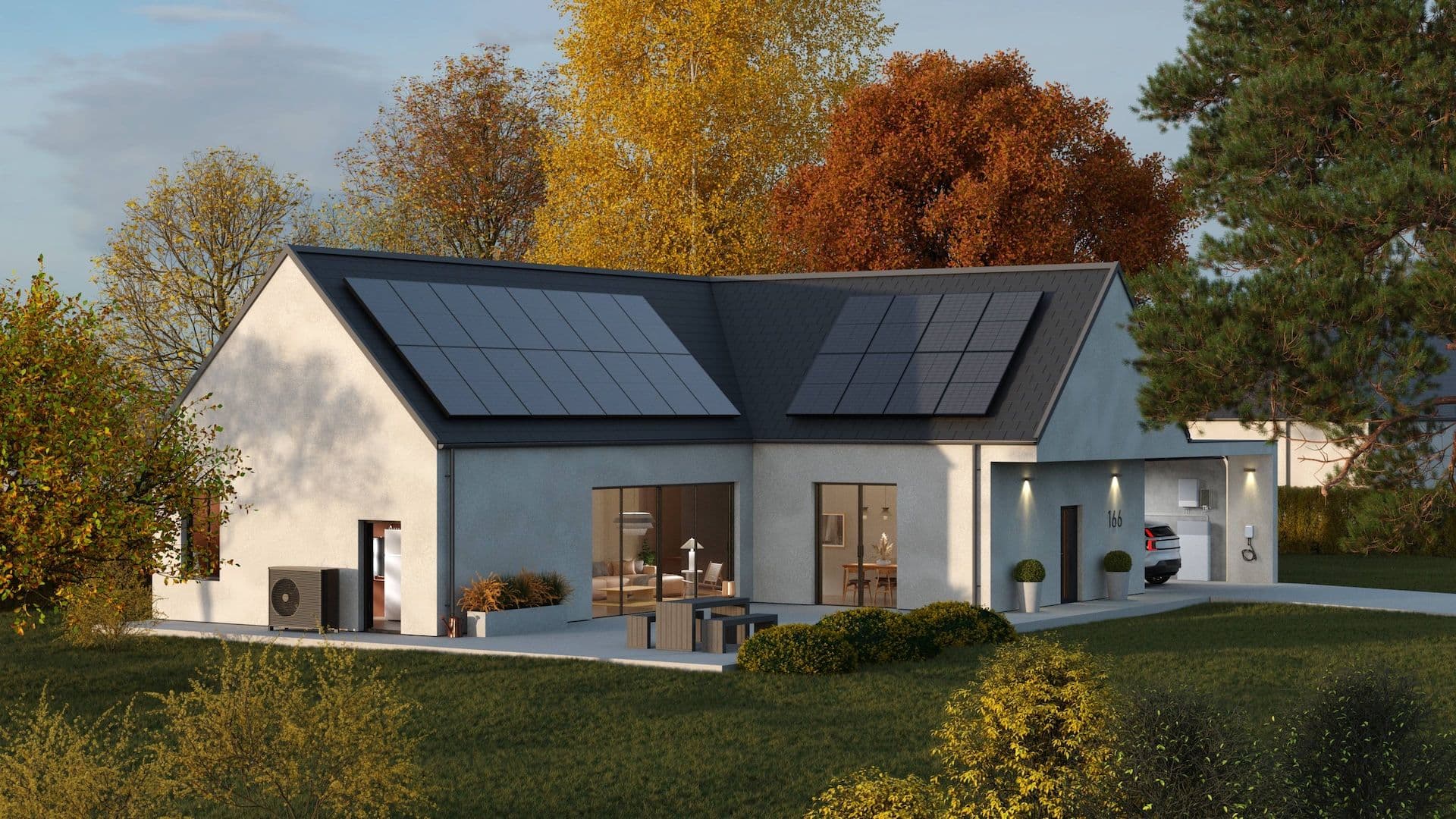
The Aira Home Energy System brings together:
- The Aira Heat Pump
- Solar panels
- Aira Power Store home battery
- Aira Power Hub (inverter)
- Aira Intelligence
Aira Intelligence forecasts how much solar electricity your home is likely to generate. It also considers the weather, your heating and hot-water needs, your household routines and changing electricity prices.
It can then decide when it makes sense to use solar electricity, store it for later or sell it back to the grid.
That might mean using home-generated electricity to heat your water during the day. It could mean holding energy in the Power Store for the evening. Or it could mean selling unused electricity when your export tariff makes that more valuable.
You don’t need to sit there watching electricity prices or deciding which device should use what. The system quietly works it out for you.
With the complete Aira Home Energy System, you can cut your energy bills by up to 50%. Add the Power Store and a solar export tariff, and your overall energy cost savings can reach up to 80%, including solar export earnings.
Discover how Aira Intelligence makes your heat pump, solar panels and battery work together to save you even more on your energy costs.
The honest answer
Solar panels can power your heat pump directly whenever they’re generating enough electricity. With the right roof, system design and household energy use, they may also generate as much electricity across a year as your heat pump consumes.
But running entirely on real-time solar energy throughout a UK winter is unlikely for most homes. Of course, a home battery helps, but you’ll normally still use the grid during darker days, overnight and whenever your solar panels and battery can’t meet demand.
That isn’t a failure. It’s a connected energy system doing exactly what it should: using your own clean electricity when it’s available, storing some for later, drawing from the grid when needed, and slashing your energy bills.
Add intelligent controls, a suitable tariff and the ability to sell spare electricity, and your solar system can save you even more.
See how much you could save with an Aira Heat Pump and solar
Answer 4 quick questions to get started.
What type of house do you live in?

Related articles

Solar & battery
19 Jun 2026
How to choose solar panels in 2026: a buyer’s checklist
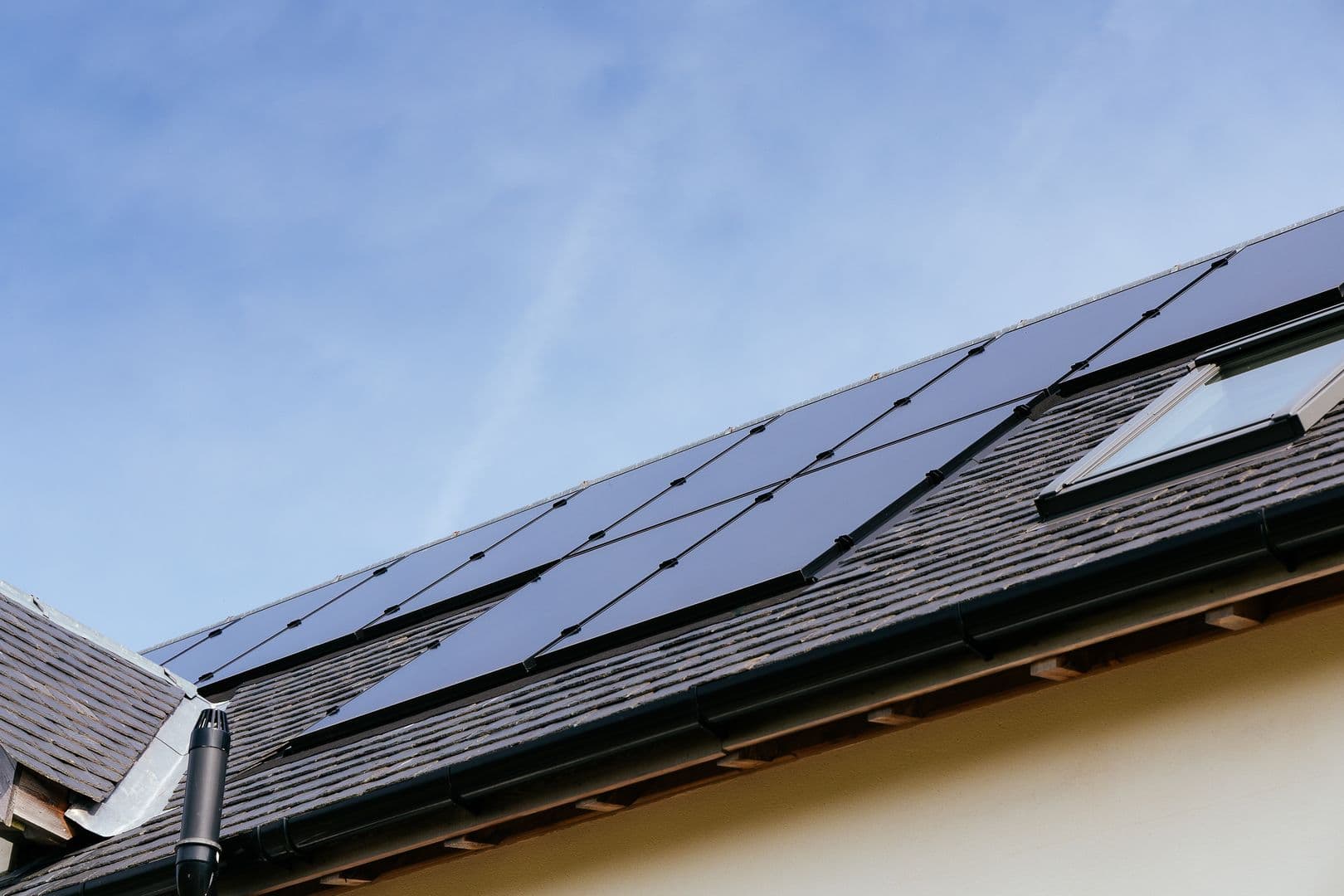
Choosing solar panels is about more than finding the cheapest quote. This buyer’s checklist explains what really matters in 2026, from efficiency and wattage to warranties, shade optimisation and smart home energy systems.
Solar & battery
19 Jun 2026
Solar panel cost UK: how much are solar panels in 2026?
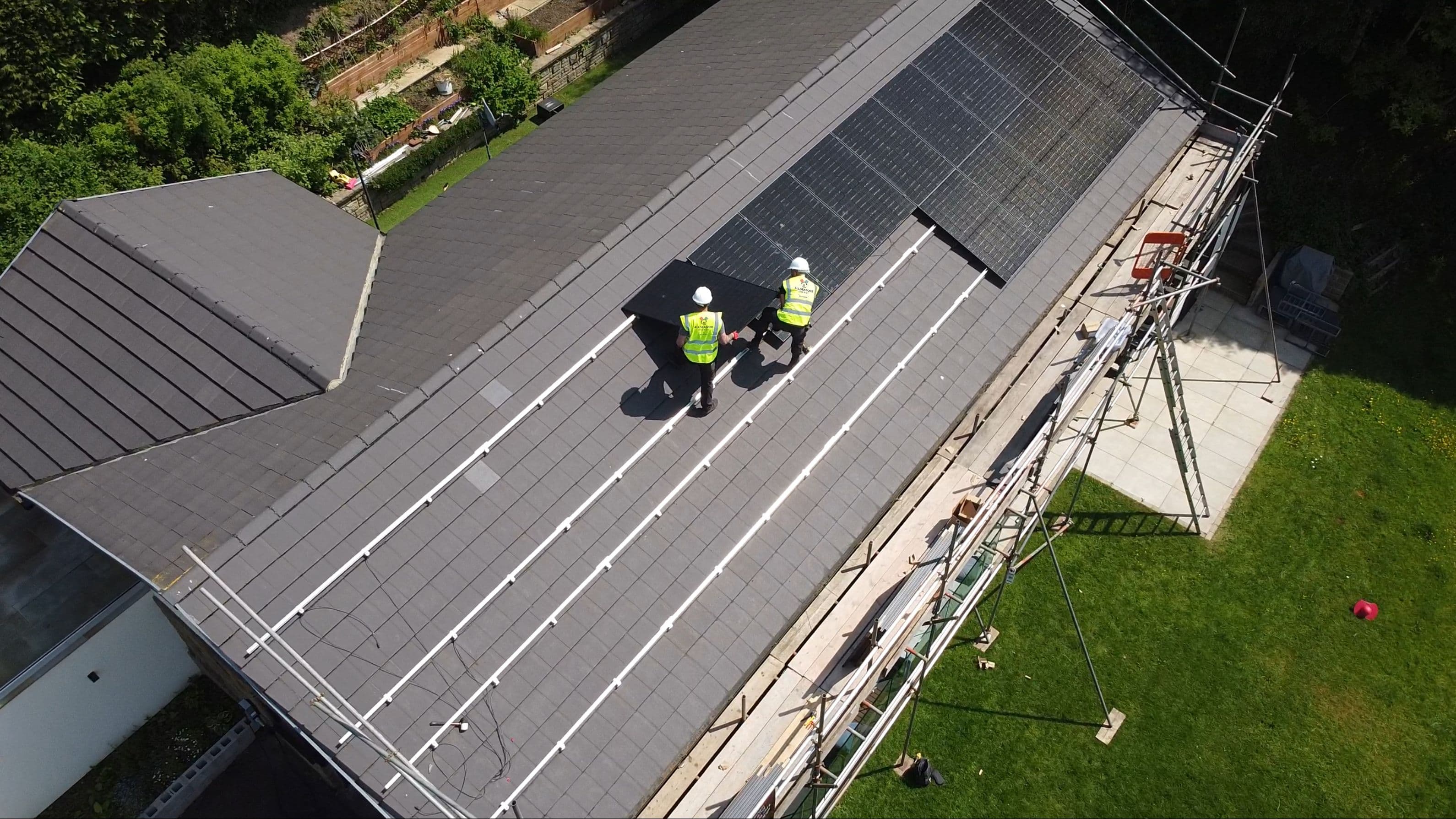
Solar panels can significantly reduce how much electricity you buy from the grid, but how much do they actually cost? Discover average UK solar panel installation prices in 2026, what affects the final cost and whether adding battery storage is worth it.
Solar & battery
12 Jun 2026
Are solar panels worth it in 2026?
Are solar panels worth it in 2026? For many UK homeowners, yes. Discover how much solar panels can save, when they might not be worth it, and why pairing them with a heat pump, battery storage and Aira Intelligence can unlock even bigger savings.

Solar & battery
30 Apr 2026
How to become energy independent in the UK
Energy independence doesn’t mean going off-grid – it means generating, storing and using more of your own energy at home. With solar panels, battery storage and a heat pump working together, you could reduce your energy costs by up to 80% and take control of how your home is powered.
Solar & battery
30 Apr 2026
Solar panel grants and incentives in 2026
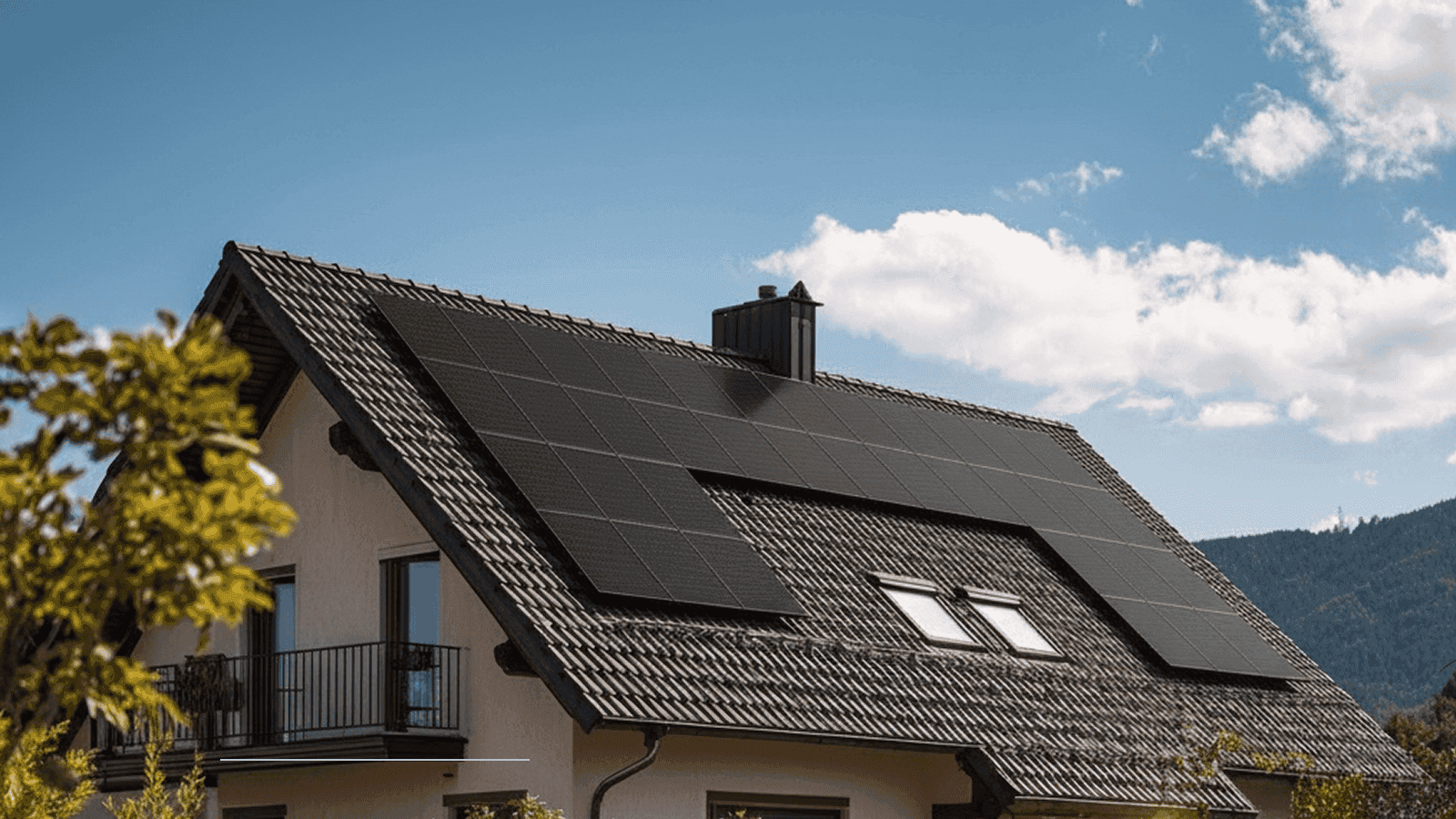
Solar panel grants in 2026 are more limited than many expect, but there are still ways to reduce costs and maximise savings. From 0% VAT to Smart Export Guarantee payments, here’s what’s actually available and how solar, battery storage and heat pumps work together to lower your energy bills.
Costs & benefits
3 Apr 2026
Adding a battery to existing solar panels: what to know in 2026
Already have solar panels? Adding battery storage lets you keep more of the electricity your panels generate and use it when it matters most. In this guide, we explain how to add a battery to existing solar panels in the UK, what to check first, and how Aira integrate solar, storage and heating into one intelligent setup.