
11 September 2026
11 min read
What is the most economical heating system for your home?

Published on
11 September 2026
Time to read
11 minutes
Key takeaways
- The cheapest heating system to buy isn’t always the cheapest to run.
- A heat pump is one of the most energy-efficient ways to heat a whole home, but costs depend on your home, tariff and system design.
- Heat pumps often make the strongest savings case when replacing oil, LPG or direct electric heating.
- If your current heating still works, stopping draughts, improving your insulation, and upgrading your controls may be the most economical place to start.
Ask which heating system is cheapest, and you’ll get a wonderfully unhelpful answer: it depends.
A small electric heater costs very little to buy, but using one to heat your whole home would quickly wipe the smile off your face. A gas boiler costs less than a heat pump upfront, but it burns fuel to create warmth and wastes some of that energy in the process.
A heat pump costs more before government funding, but it uses far less energy to keep a whole home warm. Over time, that can make it the more economical choice.
So, which system wins? That depends on your home, what you’re replacing and whether you mean today, this year or over the next decade.

Talk to a Clean Energy Expert
What does ‘most economical’ actually mean?
There are three costs to consider when choosing a heating system:
- The upfront cost: What you’ll pay to buy and install it.
- The running cost: What you’ll spend keeping your home warm.
- The lifetime cost: What you’ll pay for the system, energy, maintenance and repairs over the years you own it.
The cheapest option changes depending on which cost you’re looking at.
If you only want to warm a home office occasionally, a plug-in heater may cost least overall. If you need to replace the heating system for an entire house, spending more upfront on something that uses less energy can make better financial sense.
That’s why the most economical heating system isn’t necessarily the one with the smallest price tag. It’s the one that delivers comfortable, reliable heating at the lowest overall cost for your home.

How do the main home heating systems compare?
Let’s lay this out in a table…
Heating system | Upfront cost | Energy efficiency | Running-cost picture | Best suited to |
Air source heat pump | Higher before grants | Around 300-400% | Depends on the home, design and tariff | Efficient whole-home heating |
Ground source heat pump | Very high before grants | Around 350-450% | Often low, but installation costs more | Homes with enough outside space |
Gas boiler | Lower | Around 85–90% | Can currently cost about the same as a heat pump | Homes prioritising a lower upfront cost |
Oil or LPG boiler | Medium to high | Lower than a heat pump | Fuel prices can change sharply | Homes without mains gas |
Storage heaters | Lower | 100% at the heater | Depends heavily on off-peak electricity prices | Smaller electrically heated homes |
Direct electric heating | Very low | 100% at the heater | Usually expensive for a whole home | Heating one room occasionally |
It’s important at this stage to note that these are broad comparisons – and just an overview. Your actual costs will depend on how much warmth your home loses, the temperature you prefer, your energy tariff and how you use your heating. Let’s dive into all of those as we look at each heating system individually.
Air source heat pumps
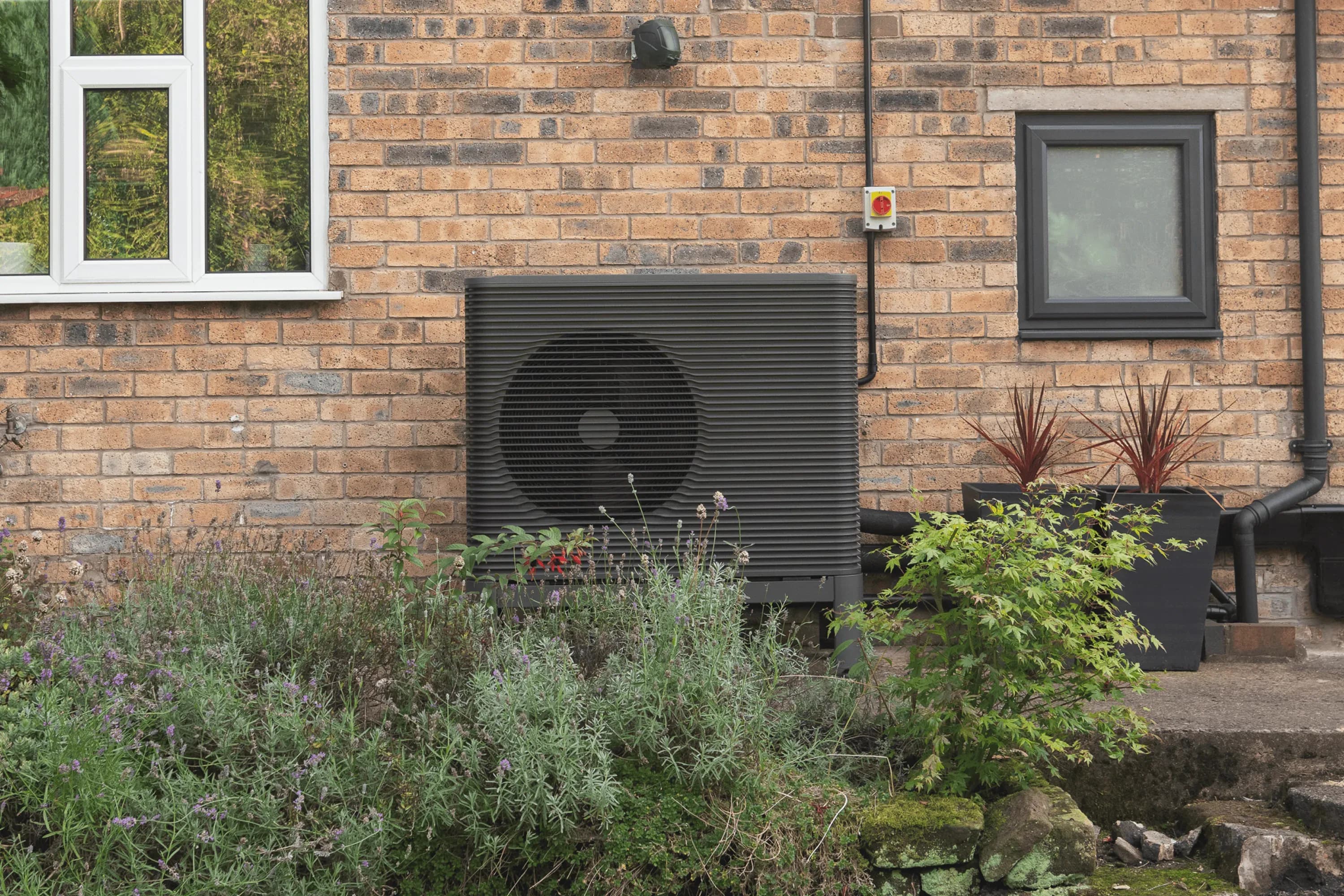
In the UK, when someone refers to a "heat pump", they most likely mean an air source heat pump (like the Aira Heat Pump). This modern tech draws in outside air and transfers its warmth into your existing heating system. It raises that warmth to a warm temperature, then uses it to heat the water flowing to your radiators, underfloor heating and hot-water cylinder. And it does all this even on the coldest day of the year because freezing air still contains usable warmth.
Essentially, instead of burning fuel to create heat, a heat pump moves heat that’s already there. This allows it to deliver around three or four units of warmth for every unit of electricity it uses.
That makes air source heat pumps one of the most energy-efficient and practical whole-home heating systems available.
But efficiency isn’t the only thing that determines your bill. A heat pump needs to be the right size for your home, work well with its radiators and run at a suitable water temperature. Your electricity tariff matters too.
Get those things right and a heat pump can offer very economical heating for years to come. Get them wrong and even the best heat pump will have its work cut out.
Ground source heat pumps
A ground source heat pump works in a similar way to an air source heat pump, but collects warmth through pipes buried underground outside.
Temperatures underground change less throughout the year than temperatures in the air. This can help a ground source heat pump run extremely efficiently, particularly during winter.
The catch? It's the installation. Laying the underground pipework requires plenty of space, digging and a much larger upfront budget. That can make ground source systems economical to run but less economical to install.
For most existing UK homes, an air source heat pump is the simpler and more affordable heat pump option.
Gas boilers
We all know what these are. A gas boiler burns gas to heat water for your radiators, taps and showers. It’s familiar, compact and usually cheaper to install than a heat pump.
But even a modern boiler can’t turn every unit of gas into useful warmth. Some energy leaves through the flue, while poorly set up systems can waste more through unnecessarily hot water and frequent stopping and starting.
Gas boilers are typically more expensive to run than heat pumps, plus they're tied to ever-growing gas prices and always produce a high amount of carbon emissions while running.
If you already have an efficient boiler that works perfectly well, replacing it immediately may not be the cheapest short-term choice. But if it’s nearing the end of its life, it makes sense to compare the cost of another boiler with the long-term cost of switching to a heat pump.
Oil and LPG boilers
Oil and LPG boilers are common in homes without a mains gas connection. Like gas boilers, they burn fossil fuel to create heat.
The price you pay can vary significantly, and heating oil isn’t protected by Ofgem’s energy price cap. You’ll also need somewhere to store the fuel and remember to arrange deliveries. Running out in January is rarely anyone’s idea of fun.
Because heat pumps use energy far more efficiently, switching from oil or LPG can make a particularly strong long-term case. Eligible off-grid homes in England and Wales can also receive £9,000 towards a heat pump through the Boiler Upgrade Scheme.
Storage heaters
Storage heaters use electricity during cheaper off-peak periods and store the warmth for later.
They can work well in smaller homes on the right tariff, particularly where installing a complete wet heating system would be difficult. Newer models also offer much better control than the storage heaters many people remember.
However, they need careful scheduling. Use up the stored warmth too early and you may need expensive daytime electricity to get through the evening.
They also heat individual rooms rather than providing central heating and hot water as one complete system.
Direct electric heating
Electric radiators, panel heaters and plug-in heaters are almost 100% efficient at the point of use. One unit of electricity becomes roughly one unit of heat.
That sounds impressive until you remember that a heat pump can deliver three or four units of warmth using the same amount of electricity.
Direct electric heaters are cheap to buy and useful when you only need to warm one space for a short time. But using several of them as your main whole-home heating system will usually cost much more.
In other words... cheap to buy. Not so cheap once the bills arrive.
Why isn’t the most efficient system always the cheapest?
Efficiency tells you how much useful warmth you get from the energy you buy. It doesn’t tell you what that energy costs.
Gas currently costs less per unit than electricity. That gives gas boilers a head start. But a heat pump needs far fewer units of energy to provide the same amount of warmth.
Take the average Ofgem price-cap rates applying from October to December 2026:
- Electricity: 26.32p per kWh
- Gas: 7.97p per kWh
A gas boiler operating at 90% efficiency would cost around 8.86p to deliver one kWh of useful heat.
A heat pump delivering three units of heat for every unit of electricity would cost around 8.77p for the same useful warmth. If it delivered four units (like the Aira Heat Pump does), that would fall to around 6.58p.
That’s why manufacturer and design matter. The more efficiently the heat pump runs, the further every unit of electricity goes.
These figures are only an illustration. Energy prices change, tariffs vary and standing charges aren’t included. If removing your boiler also means giving up gas completely, you may no longer need to pay the gas standing charge. That's even more savings.
Read our guide to heat pump efficiency for a closer look at COP, SCOP and real-world performance.
Is a heat pump cheaper to run than a gas boiler?
Short answer: of course. A heat pump has one big advantage over a boiler: it doesn’t burn fuel to create warmth from scratch. It moves warmth that’s already outside into your home, delivering far more heat from the energy it uses.
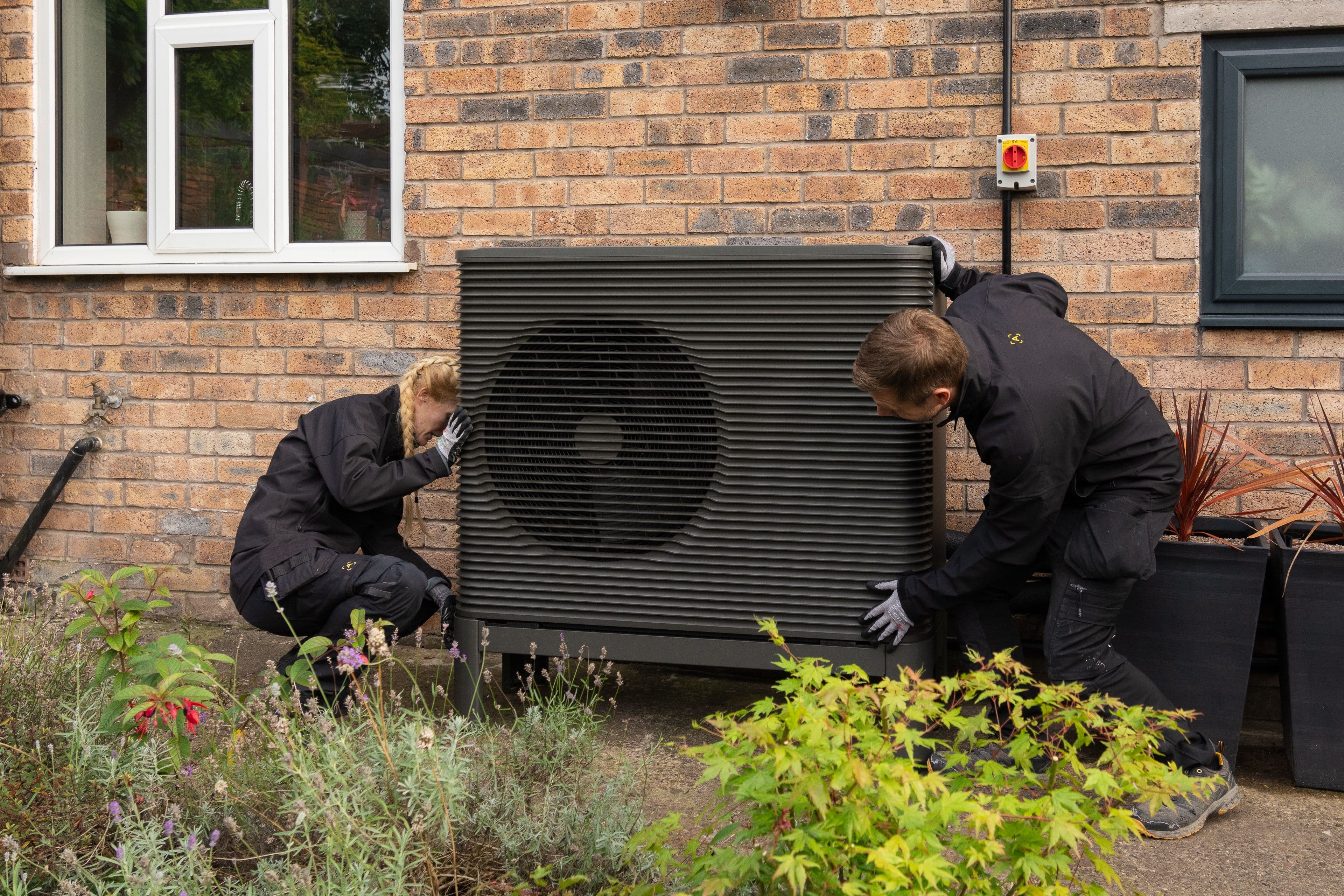
But even a brilliant heat pump needs a fair shot. It must be the right size for your home, installed properly and paired with radiators that can keep every room cosy. That all starts with a thorough heat loss calculation.
Your home, tariff and heating habits will shape the final numbers. What you’re replacing matters too, with some of the biggest savings available to homes moving away from older boilers, oil, LPG or direct electric heating.
Get the design right, and those impressive efficiency figures can become something far more exciting: a smaller energy bill. For example, with an Aira Heat Pump, you could save up to £490 a year.
When is a heat pump most economical?
When it’s the right size
A heat pump should be selected using a room-by-room heat loss calculation, not a guess based on floor area.
If it’s too small, it may struggle during very cold weather. If it’s much too large, it can keep switching on and off instead of running steadily.
Both can affect efficiency, comfort and running costs.
Read our guide to heat loss calculations to see why the details matter.
When the radiators suit the system
Heat pumps often send water to your radiators at around 35–55°C, compared with roughly 60–75°C in many boiler systems. That water is still warm. It simply doesn’t need to be piping hot.
A larger radiator has more surface area, so it can release plenty of warmth into the room at this lower temperature. This helps the heat pump keep your home cosy without working harder than it needs to.
That doesn’t mean replacing every radiator. A room-by-room assessment will show which ones are already up to the job and which, if any, need upgrading.ng.
When the home holds on to warmth
Insulation and draught-proofing slow down the rate at which heat escapes. That means any heating system has less work to do.
A poorly insulated home doesn’t automatically rule out a heat pump. It may simply need a different system design, larger radiators or a few sensible improvements.
When it runs steadily
Think about driving. Constantly speeding up, slowing down and accelerating again uses more fuel than moving at a steady pace. Your heating system isn’t so different.
A heat pump usually uses less energy when it gently maintains a comfortable temperature, instead of letting your home cool down and then racing to warm it back up. Good controls help by adjusting the water temperature as the weather changes, giving your home just the warmth it needs.
When it uses the right tariff
Some electricity tariffs make energy cheaper at certain times and more expensive at others. A heat pump that can respond to those changing prices can do more of its work during the cheaper hours, then ease back when prices rise.
That doesn’t mean letting your home go cold. The system can warm your home or hot water a little more while electricity costs less, then use less during expensive peak periods while keeping you comfortable.
With a smart tariff, like Cosy Octopus, Aira Intelligence can make these adjustments automatically. See the difference tariff optimisation makes to heat pumps in real homes on our performance dashboard.
The savings will depend on your home, tariff and comfort settings, so there’s no single tariff that’s best for everyone.
What does a heat pump cost upfront?
A heat pump will usually cost more to install than a replacement boiler before government funding.
That’s partly because you’re buying more than the box outside. A proper installation includes assessing the home, designing the system, completing heat loss calculations and checking the radiators, pipework and hot water cylinder.
The Boiler Upgrade Scheme can reduce that upfront cost for eligible homes in England and Wales:
- £7,500 when replacing a gas boiler or another eligible heating system
- £9,000 for eligible off-grid homes replacing oil or LPG until 31 March 2027
Your installer applies on your behalf and deducts the grant from the amount you pay.
Different support is available in Scotland through the Home Energy Scotland Grant and Loan.
With Aira, everything from the home assessment and system design to installation, grant application and the first year of all-inclusive aftercare is handled under one roof.

How can you make your current heating more economical?
Buying a new heating system isn’t the only way to spend less. If your current system is safe and working well, start by looking at where your home is losing warmth and how your heating is controlled.
You could:
- Stop draughts around doors, windows and floorboards
- Add suitable loft, wall or floor insulation
- Use radiator valves to avoid overheating unused rooms
- Keep radiators clear of furniture and heavy curtains
- Have boilers and other heating systems maintained as required
- Check whether your boiler’s water temperature can be reduced safely
- Use schedules that match when you’re actually home
Some changes cost very little. Others require more investment but continue saving energy for years.
So, what’s the most economical heating system?
For heating one room occasionally, a small electric heater may cost least overall.
For replacing an entire whole-home heating system, a heat pump is one of the strongest long-term options. It uses energy far more efficiently than a boiler or direct electric heating, produces far fewer carbon emissions at home and comes with substantial government funding.
But, the most economical system for your home depends on its heat loss, your current heating, the radiators, local weather, energy tariff and how you like to stay warm.
That’s why Aira starts with a free home energy assessment. We’ll look at your home, calculate what it needs and show you what an Aira Heat Pump could cost – and what it could save – before you decide.
No guesswork. Just the real numbers for your home. So you can make an informed decision.
See how much you could save with a heat pump
Answer 4 quick questions about your home to get started
What type of house do you live in?

Related articles
Costs & benefits
28 May 2026
Energy price cap increase: Are heat pumps now cheaper than gas boilers?
Ofgem’s latest energy price cap rise is pushing gas bills up again. Discover why more UK homeowners are considering heat pumps as a cheaper, smarter, and more stable alternative to gas boilers.

Costs & benefits
27 Jan 2026
The Warm Homes Plan: what it really means for your energy bills
The UK’s new Warm Homes Plan confirms one thing: the future of cheaper energy is clean, electric homes. Here’s what the plan really means for homeowners. And how heat pumps, solar and home batteries can cut your bills long before 2030.

Heat pumps: The basics
10 Jun 2024
What is an air source heat pump?
Air source heat pumps provide a more energy-efficient and cheaper way of heating and cooling your home. But how exactly does an air source heat pump work? How can they be both eco-friendly and cost-effective? And are they the right heating choice for your home?