
27 January 2026
5 min read
The Warm Homes Plan: what it really means for your energy bills

Published on
27 January 2026
Time to read
5 minutes
Key takeaways
- The Warm Homes Plan is a £15bn government push to cut energy bills by upgrading UK homes with cleaner, electric heating.
- Heat pumps are central to the plan – with grants, cheaper electricity and new rules making them easier to install than ever.
- You don’t need to wait or do everything at once. Many homeowners can switch to a heat pump now and start saving straight away.
Energy bills are still too high. Homes are still too hard to heat. And the UK is still overly reliant on imported fossil fuels, leaving too many families at the mercy of gas prices they can’t control.
That’s the problem the UK government says the new Warm Homes Plan is here to fix.
Announced in January 2026, it’s the biggest public investment ever made to upgrade British homes — with the goal of cutting bills, tackling fuel poverty, and moving homes away from fossil fuels for good.
So what does it actually mean for homeowners? And where do heat pumps, solar panels and batteries fit in?
Let’s break it down.

Talk to a Clean Energy Expert
Why the Warm Homes Plan exists
The government’s starting point is one most households already feel.
That energy bills are too expensive, gas prices are volatile and millions of homes leak heat – wasting energy and money every day.
The Warm Homes Plan is built on a simple idea:
The cheapest energy is the energy you don’t waste – and the cleanest energy is the energy you generate yourself.
That’s why the plan focuses on upgrading homes with:
- Heat pumps
- Solar panels
- Home batteries
- Insulation and efficiency improvements
Not as luxury upgrades. But as everyday essentials.
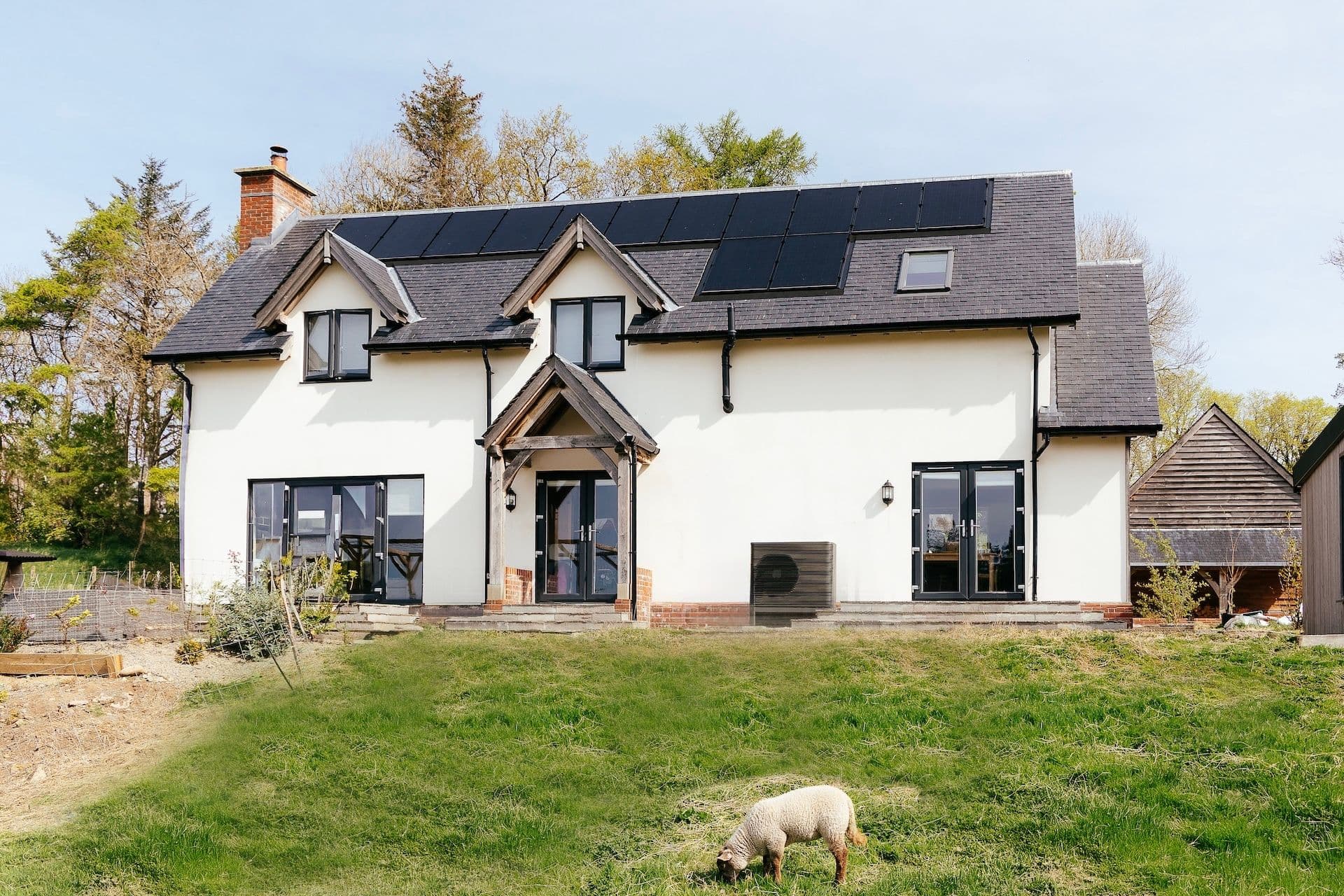
What the Warm Homes Plan actually includes
Strip away the politics, and the plan comes down to three big moves:
1. More support to upgrade homes
By 2030, the government plans to invest £15 billion to upgrade up to 5 million homes.
That includes:
- £7,500 heat pump grants for eligible homes via the extended Boiler Upgrade Scheme
- Low- and zero-interest loans for solar panels and batteries
- Direct funding for low-income households and social housing upgrades
In short: more help with the upfront costs of switching to cleaner, more affordable heating – the biggest barrier for most households.
2. Lower bills for renters and social housing tenants
New rules will require landlords to improve the efficiency of rented homes by 2030.
That means:
- Warmer homes
- Less damp and mould
- Lower energy bills for tenants
A long-overdue shift.
3. A push away from gas. For good.
Homes and buildings account for around one fifth of UK emissions. The Warm Homes Plan makes it clear:
- Clean, electric heating is the future
- New homes should be built with solar and clean heat as standard
- Electricity will get cheaper and more flexible over time
This isn’t a short-term fix. It’s a permanent direction of travel.
What this means for homeowners
If you own your home, the Warm Homes Plan means more choice and more support.
You can:
- Use grants to cut the cost of switching to a heat pump, like the £7,500 Boiler Upgrade Scheme for eligible homes
- Spread the cost of solar and battery systems with low-interest finance
- Reduce your reliance on gas, and the price shocks that come with it
And crucially, you don’t have to do everything at once. Many households start with a heat pump. Others add solar and batteries to go further, which cuts bills even more.
Why heat pumps, solar and batteries work best together
Each technology saves money on its own. Together, they’re far more powerful.
- A heat pump replaces expensive gas with efficient electric heating by using thermal energy in the air to help with the process.
- Solar panels generate free electricity on your roof
- A home battery stores that energy for evenings and peak prices
Add smart tariffs and an intelligent system (like ours, which is powered by Aira Intelligence), and your home starts using energy when it’s cheapest and selling it back to the grid when prices peak. Automatically.
That’s why we calculate that homes that upgrade to the Aira Home Energy System (Aira Heat Pump, solar and Power Store) can slash their energy bills by up to 90% compared to a gas boiler.

Where Aira fits in
The Warm Homes Plan supports clean energy. Aira makes switching to it effortless.
Instead of juggling multiple installers, grant paperwork, and separate systems that don’t talk to each other, Aira delivers one complete Home Energy System, designed, installed and optimised all under one roof. And backed by the Aira Guarantee.
That includes:
- The Aira Heat Pump
- Solar panels and Power Store (home battery)
- Aira Intelligence
- Smart control with the Aira Home Energy app
- £7,500 grant application handled for you (grant eligibility applies)
- A 15-Year Aira Guarantee
No more balancing multiple installers. No more being pulled from pillar to post. Just everything you need to switch to cleaner, more affordable heating and home energy. All under one roof.
Is the Warm Homes Plan worth paying attention to?
Yes. But not because it changes everything overnight. It matters because it confirms something important:
Clean, electric homes aren’t a niche idea anymore. They’re the future.
Grants may not last forever. Policies will evolve. But the fundamentals don’t change.
Homes that are efficient, electrified and powered by clean energy will always be cheaper to run. And better protected from rising bills.
April 2026 update: the government goes further
Since this article was published, two significant new announcements have moved things forward.
First, the Boiler Upgrade Scheme grant for homes on oil or LPG has increased from £7,500 to £9,000. If you heat your home with oil or LPG, that equals the most generous government grant ever offered for replacing a fossil fuel heating system. The standard £7,500 grant for gas boiler replacements remains unchanged.
Second, the government has announced concrete plans to break the link between gas and electricity prices. Right now, electricity in the UK is partly priced based on wholesale gas costs, which is one reason electricity bills remain high even as more power comes from renewables. New long-term fixed-price contracts for renewable generators, and a higher levy on excess profits during gas price spikes, are designed to make electricity prices more stable over time.
Together, these two changes strengthen the case for switching to a heat pump significantly. A bigger upfront grant reduces the cost of switching today. A more stable electricity price reduces the cost of running a heat pump over the next 20 years.
The direction the Warm Homes Plan points towards is now backed by real, immediate policy.
Thinking about upgrading your home?
The smartest first step is still the simplest one. It all starts with a free home energy assessment.
You’ll find out what your home needs, what support you’re eligible for, and get a clear quote with no obligation.
The Warm Homes Plan is the government catching up. Aira’s already there.
Want to find out how much you could save with an Aira Heat Pump? Begin by telling us about your home.
What type of house do you live in?

Related articles
Costs & benefits
28 May 2025
Planning permission just got easier for heat pumps. What does it mean for you?
For some households, outdated planning permission rules have made it hard to switch. But, for thousands of households looking to switch to a heat pump in 2025, those long, unnecessary waits for planning approvals are set to be a thing of the past with changes to the boundary rule as part of the Warm Homes Plan agenda.