28 November 2024
3 min read
What does a heat pump look like?

Published on
28 November 2024
Time to read
3 minutes
Key takeaways:
- Air source heat pump systems typically consist of two primary units, an indoor unit and an outdoor unit
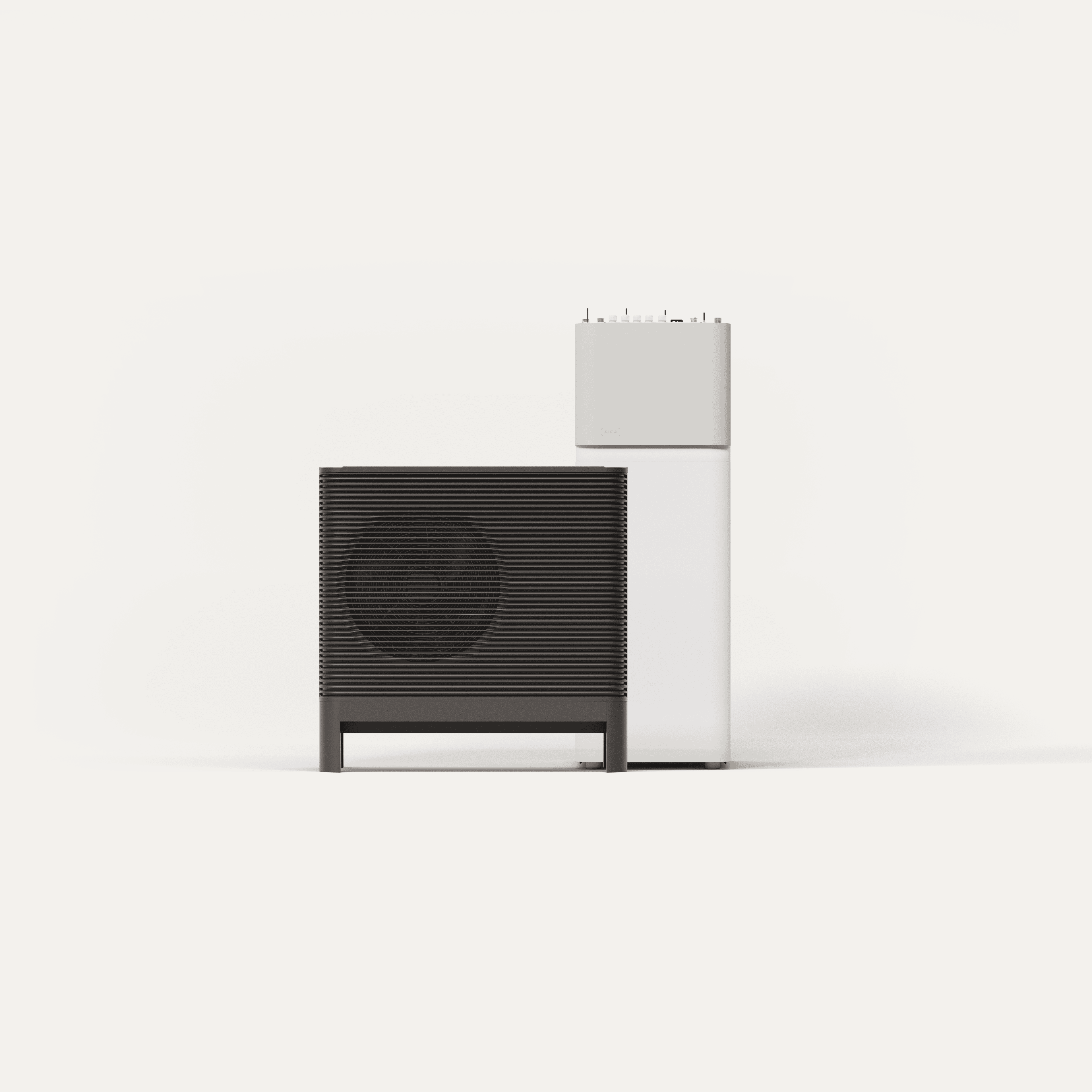
- The outdoor unit is similar in look and size to an air conditioning unit, while the indoor unit can vary in size and may resemble a small refrigerator
- Heat pumps offer a heating solution without interfering with interior or exterior design
Heat pumps offer incredibly energy efficient home heating and cooling, yet many people are unfamiliar with their design and functionality. In this guide, we’ll explore air source heat pumps, their components, and their aesthetics.

Talk to a Clean Energy Expert
Key Components of a Heat Pump System
- Outdoor Unit: The outdoor unit is housed in a rectangular metal cabinet similar to an air conditioning unit. It is installed on a concrete slab and contains components like the fan, compressor, and coil. These parts work together to regulate temperatures inside the home year-round.
- Indoor Unit: The indoor unit is housed in a sleek rectangular metal structure and is typically installed in an attic, basement, or closet. It works with the outdoor unit to circulate heat throughout the home, and is similar in size and shape to a small refrigerator. Like the outdoor unit, the size of the indoor unit will depend on the needs of your home, and may consist of a single all-in-one unit, separated water cylinder and hydraulic station, or a hydrobox.
- Buffer Tank: All Aira Heat Pump systems use a buffer tanks to ensure you always have enough hot water for radiators to provide sufficient heat. The buffer tank also helps maintain the flow pressure of your system.
- Other components: Your system may also include radiators, underfloor heating, hydronic fan coils, and additional water storage units. The various components will all be connected with copper piping.
Heat Pump vs. Air Conditioner
While heat pumps and air conditioners look similar, their functionality differs. Air conditioners only cool homes, whereas heat pumps can both heat and cool by transferring heat from outdoor air even in temperatures as low as -25ºC.
Installation Considerations
When installing a heat pump, proper planning is crucial. You will need a hot water buffer tank for optimal use, and upgrading your radiators may be necessary to improve efficiency.
Switching to a heat pump can result in significant energy savings. Air source heat pumps can save up to 25% on annual energy bills. Regular maintenance is key to ensuring long-term efficiency, so don't hesitate to reach out to our Customer Care team to get support for everything related to your heat pump.
Design and Aesthetic
While typically not designed to be visually striking, here at Aira we’ve drawn on our Scandinavian heritage to design a minimalistic and elegant heat pump system at home in any aesthetic. Most other heat pumps on the market emphasise function over beauty. While the function of a heat pump is paramount, we feel that even the most functional objects should be beautiful. So we’ve designed the Aira Heat Pump to be sleek and timeless with softened edges, a dark colour palette, and screen-less intuitive light cues.
Conclusion
Heat pumps provide an elegant and energy-efficient, year-round solution for heating and cooling your home. With the right planning and maintenance, the Aira Heat Pump can enhance comfort while offering long-term savings without interfering with personal home aesthetics.
What type of house do you live in?

Related articles
Solar & battery
12 Jun 2026
Are solar panels worth it in 2026?
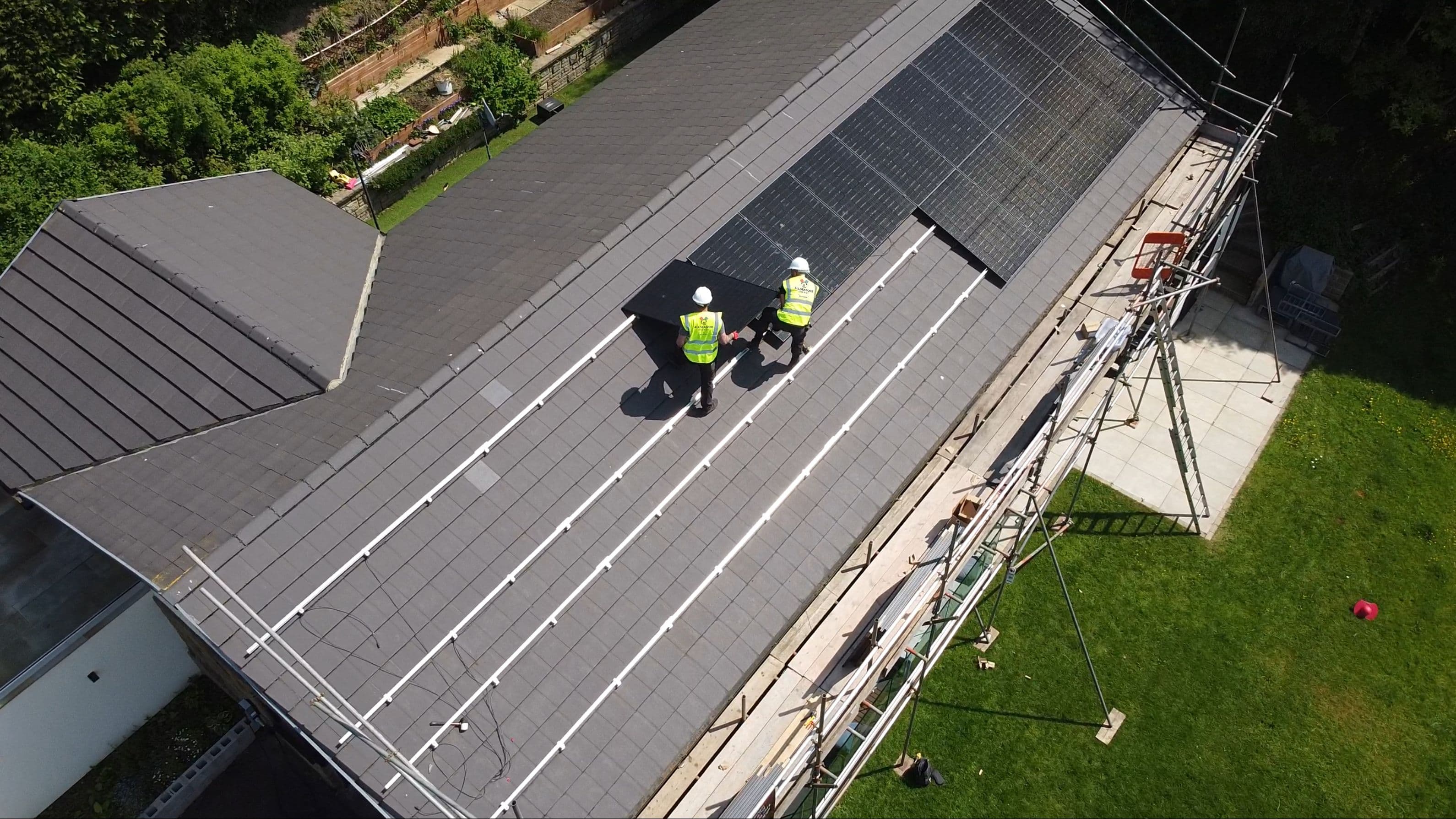
Are solar panels worth it in 2026? For many UK homeowners, yes. Discover how much solar panels can save, when they might not be worth it, and why pairing them with a heat pump, battery storage and Aira Intelligence can unlock even bigger savings.
Solar & battery
30 Apr 2026
Solar panel grants and incentives in 2026
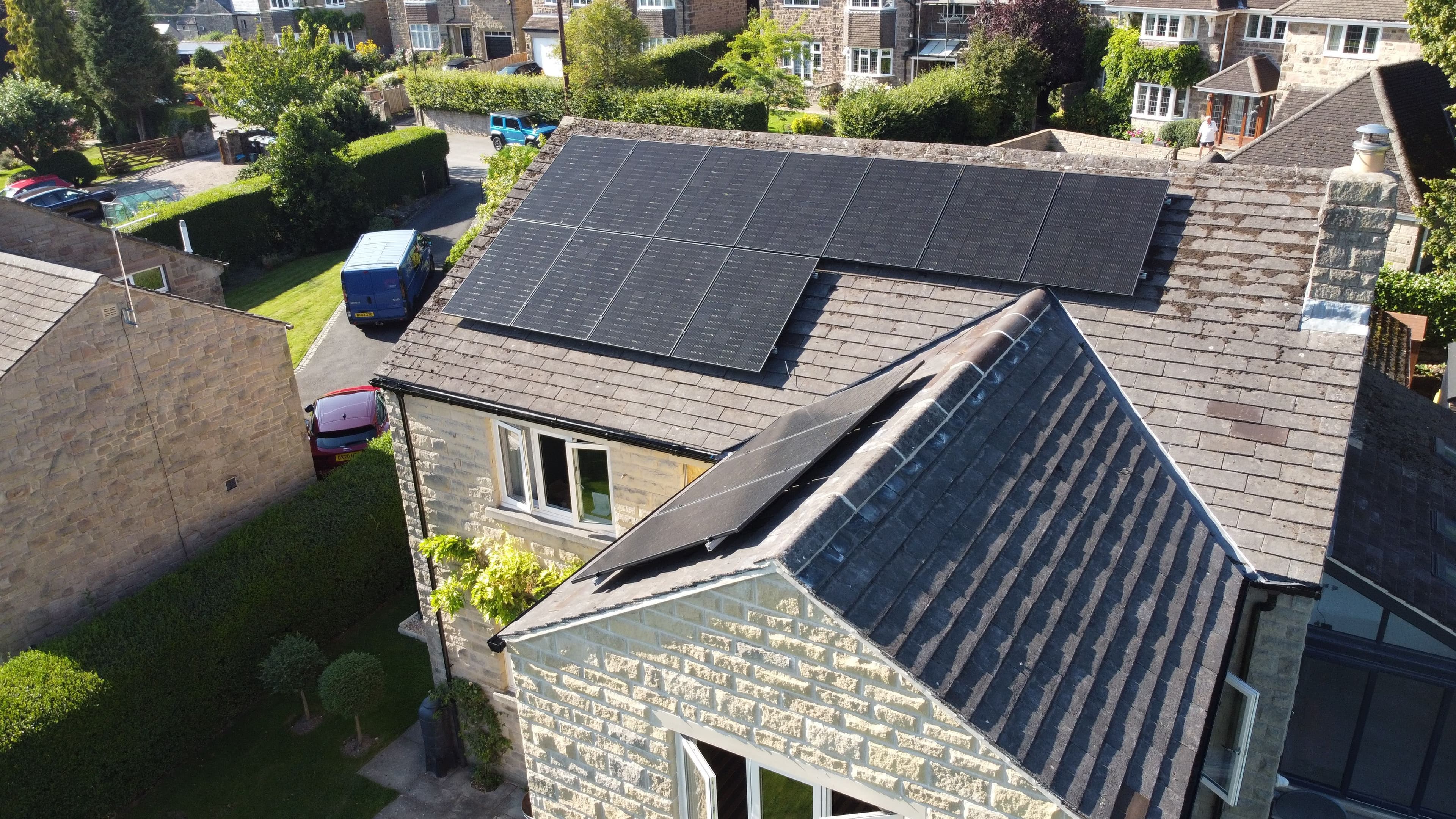
Solar panel grants in 2026 are more limited than many expect, but there are still ways to reduce costs and maximise savings. From 0% VAT to Smart Export Guarantee payments, here’s what’s actually available and how solar, battery storage and heat pumps work together to lower your energy bills.

Performance & reliability
22 Feb 2026
Why your heat pump bills might be higher than expected
Heat pumps are incredibly efficient, but their performance depends on the whole home. When the system is designed correctly and paired with the right settings and tariff, that’s when the real savings appear.
Costs & benefits
17 Feb 2026
Why tariff flexibility matters for heat pump savings
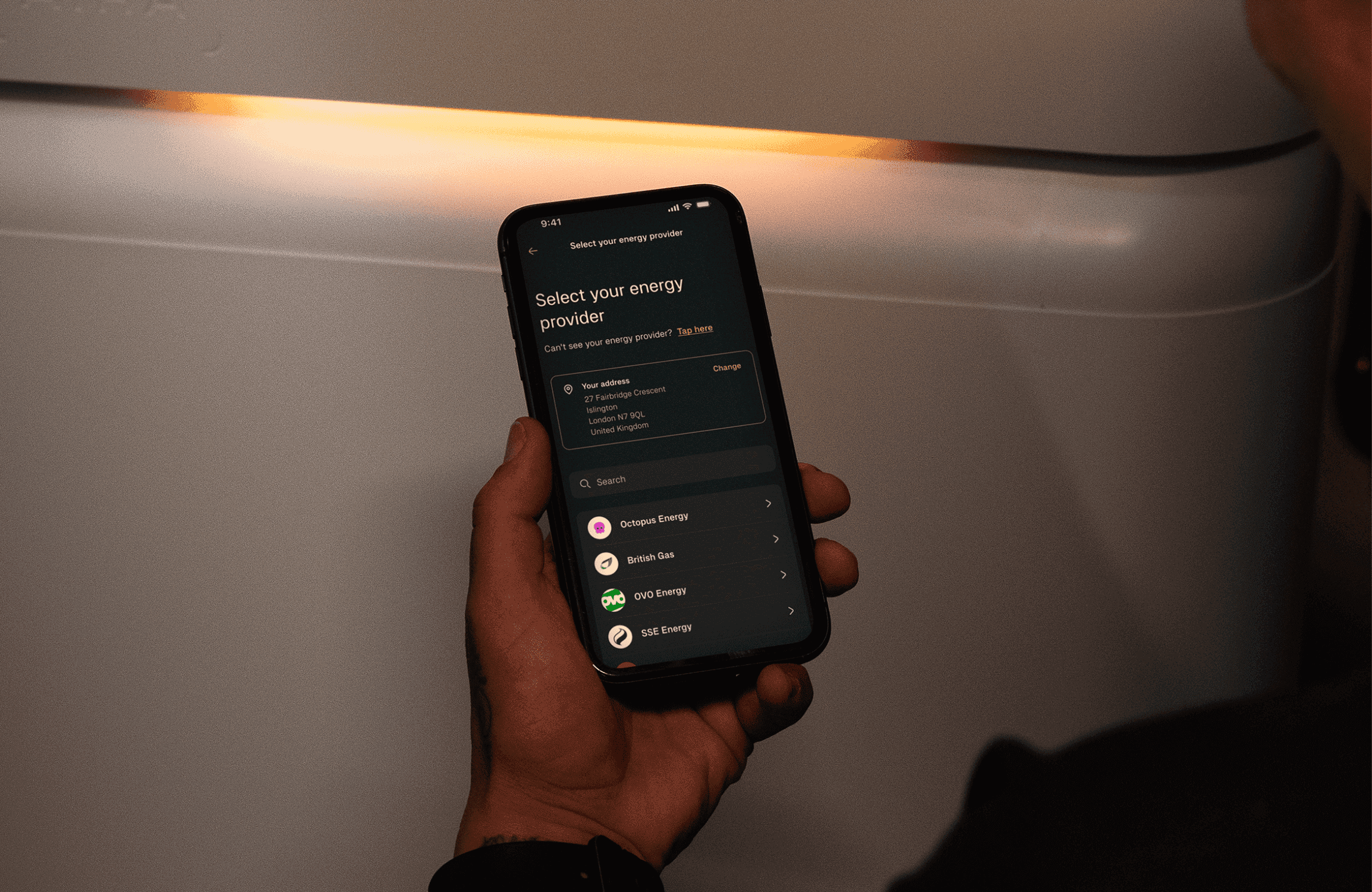
Heat pump savings don’t just depend on the technology or your heating needs. They also depend on your tariff. As energy prices shift and new products enter the market, flexibility becomes essential. Discover why choosing a system that can optimise against any tariff protects your savings long term.
Comparing options
5 May 2025
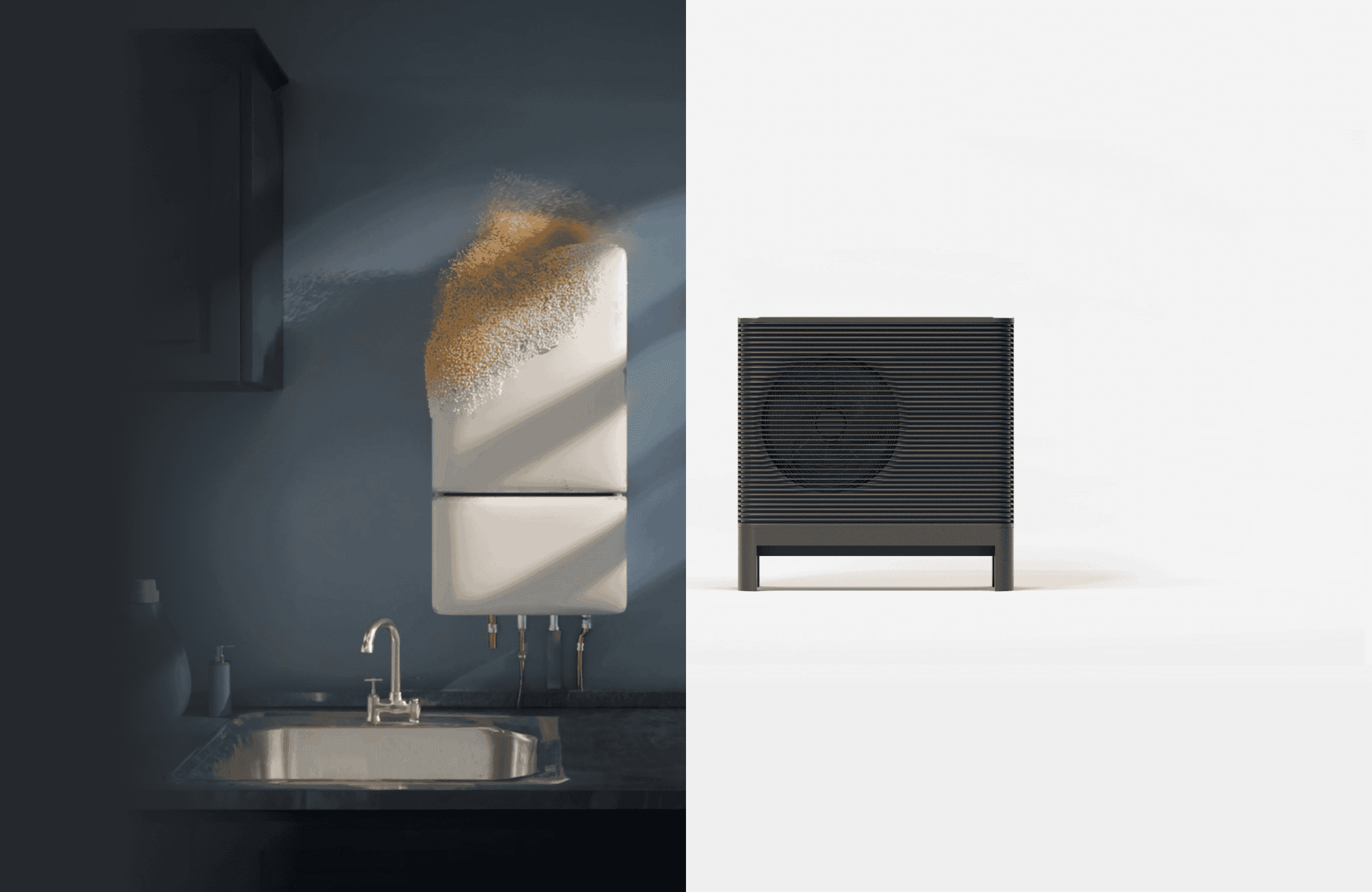
Heat pumps vs. gas boilers: Which is the right choice for you?
How do heat pumps and boilers compare? Let's break it down – upfront costs, efficiency, performance, and long-term savings – so you can make the best choice for your home.
Environmental impact & efficiency
24 Jan 2025
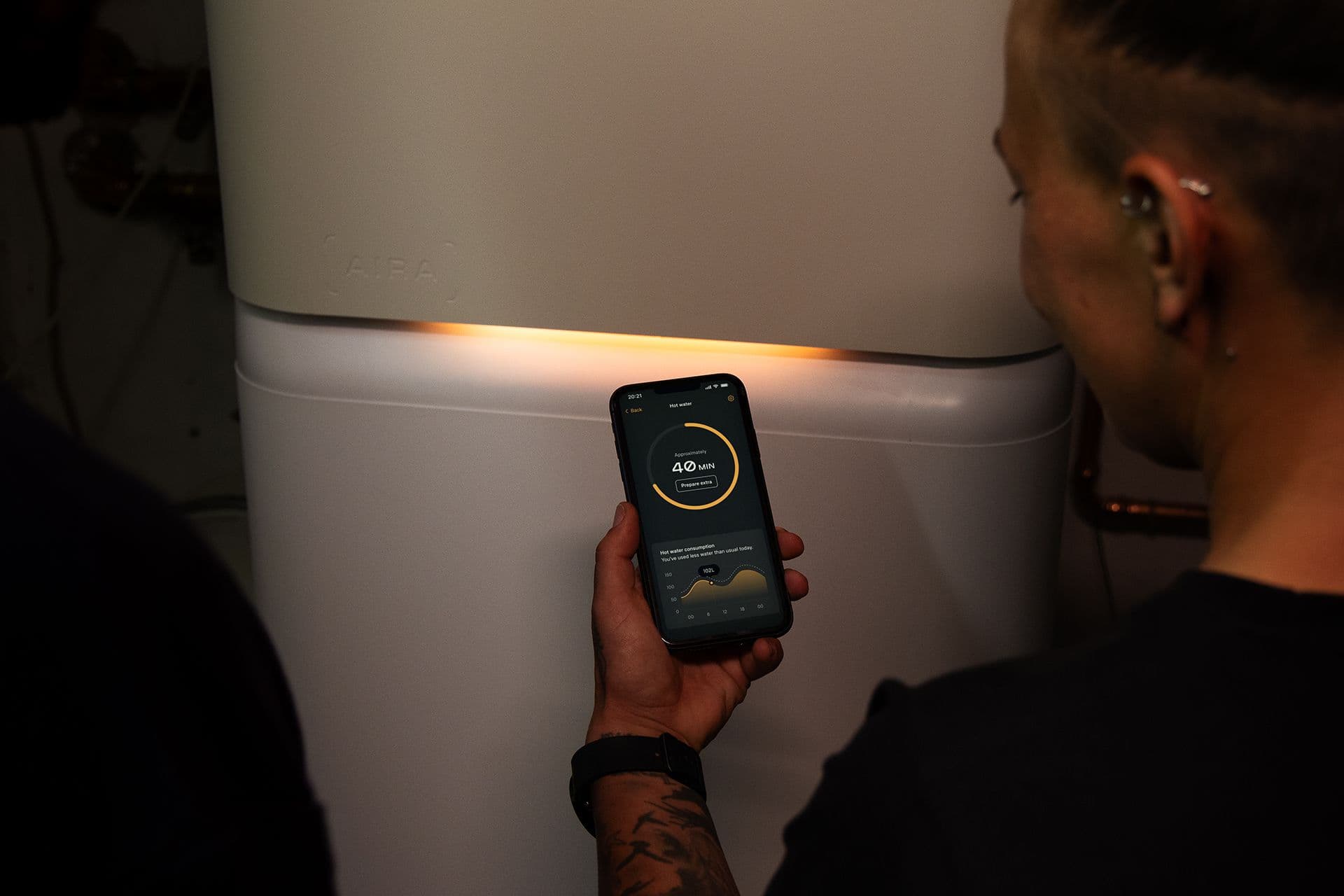
Are heat pumps energy efficient heaters?
Heat pumps are a highly efficient and eco-friendly heating and cooling solution, offering significant energy savings and a reduced carbon footprint. Unlike traditional systems that generate heat, heat pumps transfer it, achieving efficiency rates over 400%. This efficiency is amplified when powered by renewable energy sources, making heat pumps ideal for homeowners looking to reduce their environmental impact and save substantially on their energy bills.