
30 October 2026
3 min read
Warm Homes Loan Scheme: How to Use It with a Heat Pump

Updated on
30 October 2026
Time to read
3 minutes
The Warm Homes Loan Scheme (WHLS) is a government-backed scheme that makes loans for heat pumps, solar panels and batteries cheaper, with interest cut by up to 5% compared with a regular loan. Ten lenders are offering loans now, some interest free, with up to thirty years to repay in some cases. For a heat pump, you can claim the Boiler Upgrade Scheme grant (up to £9,000) and use a loan to cover the remaining balance.
Designed to make low-carbon home upgrades much more affordable, the scheme unlocks access to low- and zero-interest financing options. Here is a breakdown of what the scheme is, who it's for, and how it can help you bring an Aira Heat Pump, Power range and other renewable tech into your home.

Talk to a Clean Energy Expert
How does the Warm Homes Loan Scheme work?
The Warm Homes Loan Scheme is a government-supported initiative designed to bridge the gap for households that want to invest in home energy efficiency, but face barriers due to initial capital costs.
You don’t apply to the government. You apply to a participating lender or installer, who carries out normal affordability, credit and eligibility checks.
Who are the lenders?
The Warm Homes Loan Scheme is supported by 10 lenders:
- HomeServe Finance
- Hometree Finance
- The Money Co-op
- Propensio
- Secure Trust Bank
- Selina Finance
- South Manchester Credit Union
- Sunsave
- Tandem Bank
- This Bank
What Technologies Are Covered?
The scheme supports a comprehensive suite of low-carbon and renewable home improvements. Depending on your chosen lender and property suitability, eligible measures and their maximum loan support caps include:
- Air-to-water source heat pumps: Up to £20,000
- Ground source heat pumps: Up to £35,000
- Solar PV panels: Up to £15,000
- Electrical storage batteries: Up to £15,000
- Air-to-air source heat pumps: Up to £10,000 (once MCS certification is available)
- Heat network connections: Up to £7,500
- Micro-renewable systems: Up to £20,000
- Biomass boilers: Up to £20,000
(Note: Typical heat pump quotes under the scheme can also encompass necessary ancillary works like upgrading radiators, pipework, and water tanks to ensure peak system efficiency.)
Can You Combine It With Other Grants?
Yes! One of the best aspects of the Warm Homes Loan Scheme is its flexibility. While you cannot use a Warm Homes loan alongside other government funding to pay for the *exact same* individual improvement measure, you can use it in tandem with other national support structures.
For instance, homeowners can leverage grants like the Boiler Upgrade Scheme (BUS) or regional equivalents (such as Home Energy Scotland grants) for specific installations and use a Warm Homes loan to cover the remaining balance of the heat pump, or finance complementary technologies, such as adding solar panels or a storage battery alongside your heat pump. If your home is heated by oil or LPG can claim a higher grant - see our guide to the £9,000 heat pump grant.
(Last, if you are on a lower income, you may also want to check if you qualify for fully-funded upgrades via schemes like the Warm Homes: Local Grant before applying for a loan.)
Who is Eligible?
The scheme is available to domestic property owners across the UK (England, Scotland, Wales, and Northern Ireland). To qualify for a loan through a participating lender, you generally need to:
- Own your home (or be an eligible private landlord/leaseholder).
- Pass standard lender affordability, credit and eligibility checks.
- Plan to install an eligible, certified clean energy technology.
All installations under the scheme must be carried out by certified professionals, such as MCS-certified installers, to guarantee high standards of safety, quality, and consumer protection.
How to Get Started
- Explore Your Options: Visit the official GOV.UK Warm Homes Loan Scheme overview to review participating lenders and detailed guidance.
- Get Quotes: Speak with certified installers to evaluate your property and design the ideal clean energy system for your household.
- Apply: Submit your finance application through an approved lender or participating partner route, and take the next step toward a warmer, cleaner, and more energy-independent home.

Related articles
Performance & reliability
12 Oct 2026
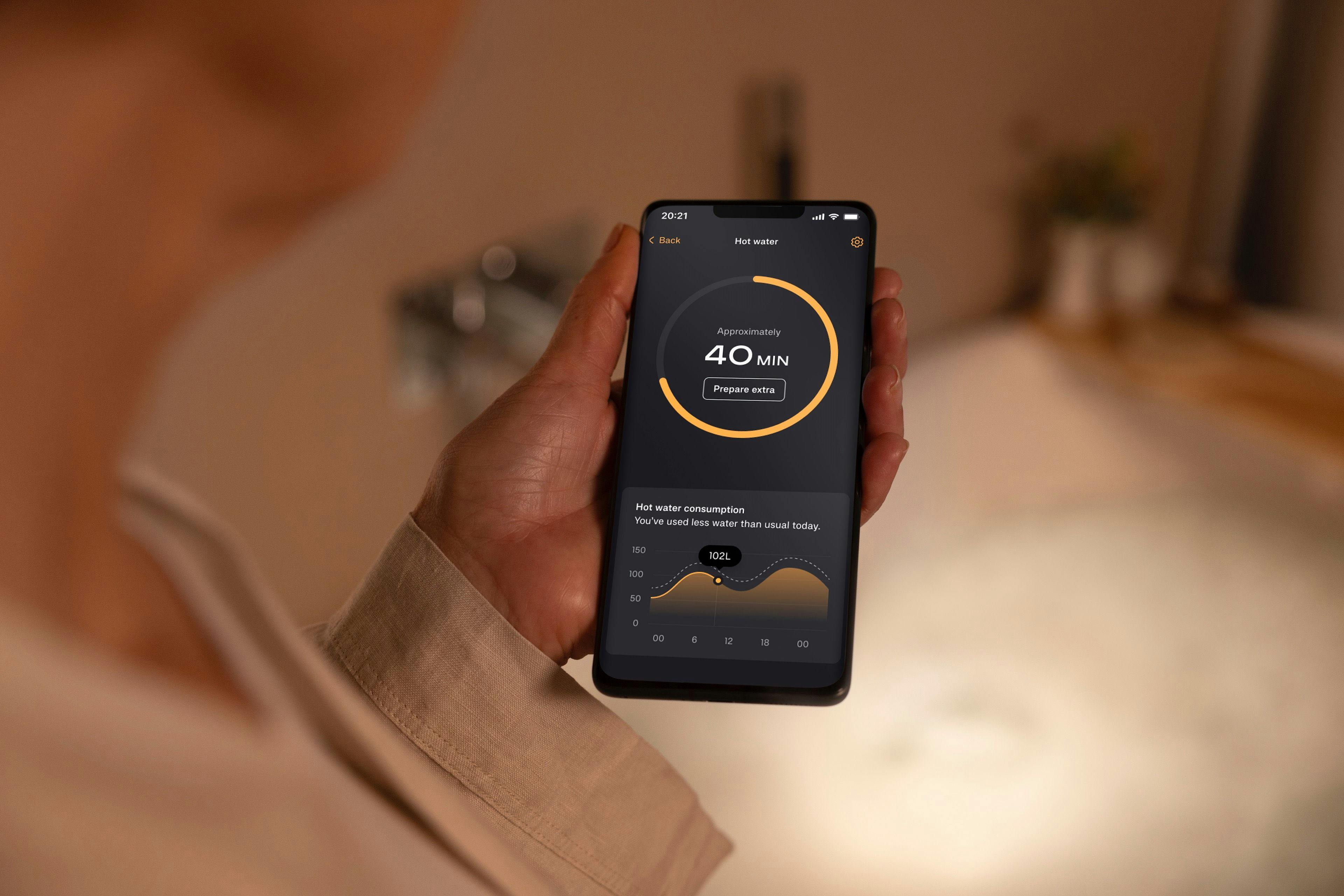
How long does a heat pump take to heat water?
How long does a heat pump take to heat water? Discover typical reheat times, what affects them and how the right system design keeps plenty of hot water ready for every shower, bath and tap.

Solar & battery
2 Oct 2026
Can solar panels power a heat pump entirely?
Solar panels can power your heat pump. But only when they’re generating enough electricity. Discover how winter, battery storage and smart controls like Aira Intelligence determine how much of your heating can come straight from your roof.

Costs & benefits
24 Sept 2026
Europe’s energy independence starts at home
Europe’s reliance on imported fossil fuels leaves countries – and household energy bills – exposed to events beyond their control. See how a heat pump, solar panels and home battery can work together to lower costs and bring greater energy independence home.
Heat pumps: The basics
21 Sept 2026
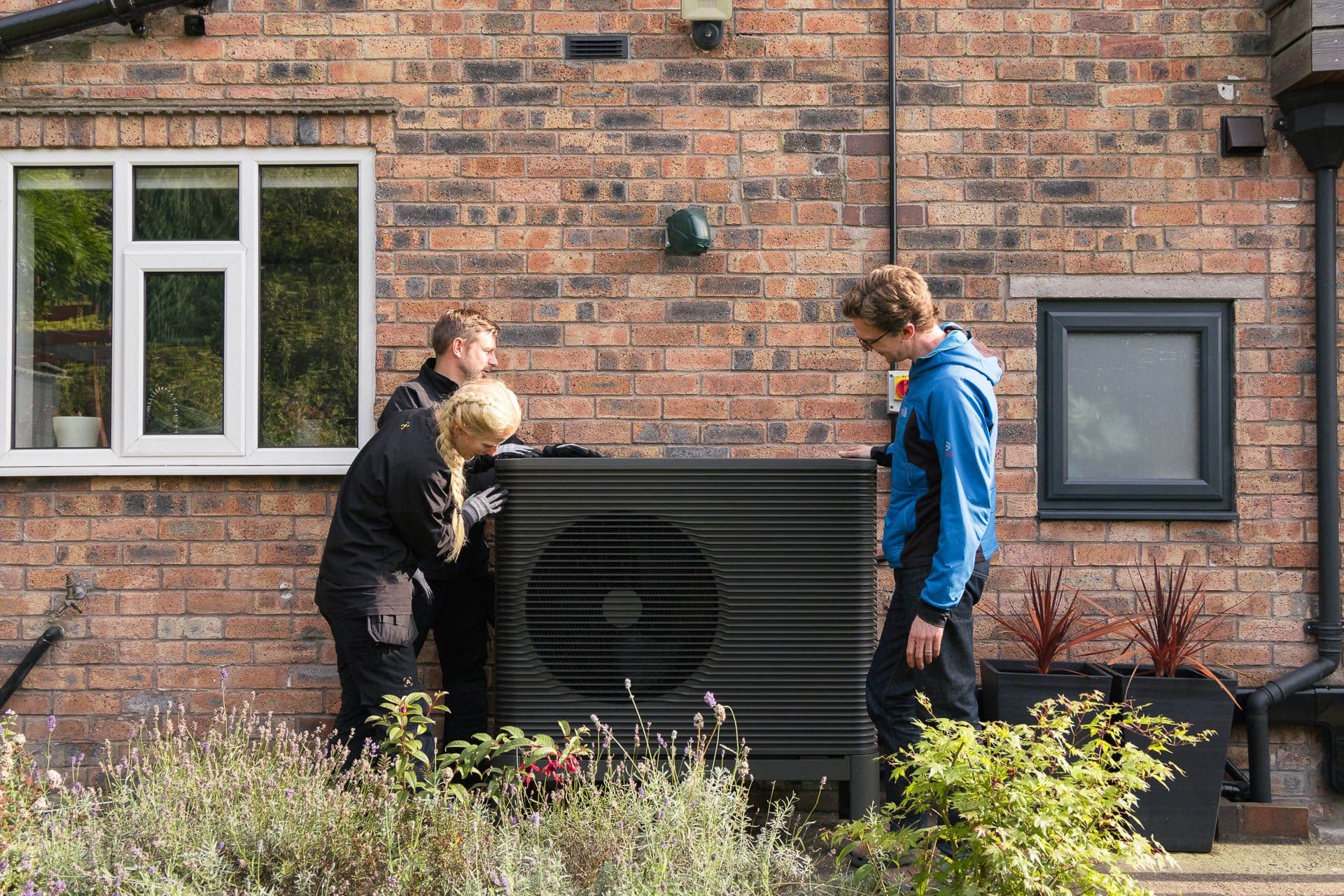
When a heat pump isn’t worth it – and what can change that
A heat pump can be a brilliant investment, but forcing one into a home that isn’t ready can lead to higher bills and cold rooms. Here’s when a heat pump may not be worth it yet – and the changes that can turn a no into a yes.
Comparing options
18 Sept 2026
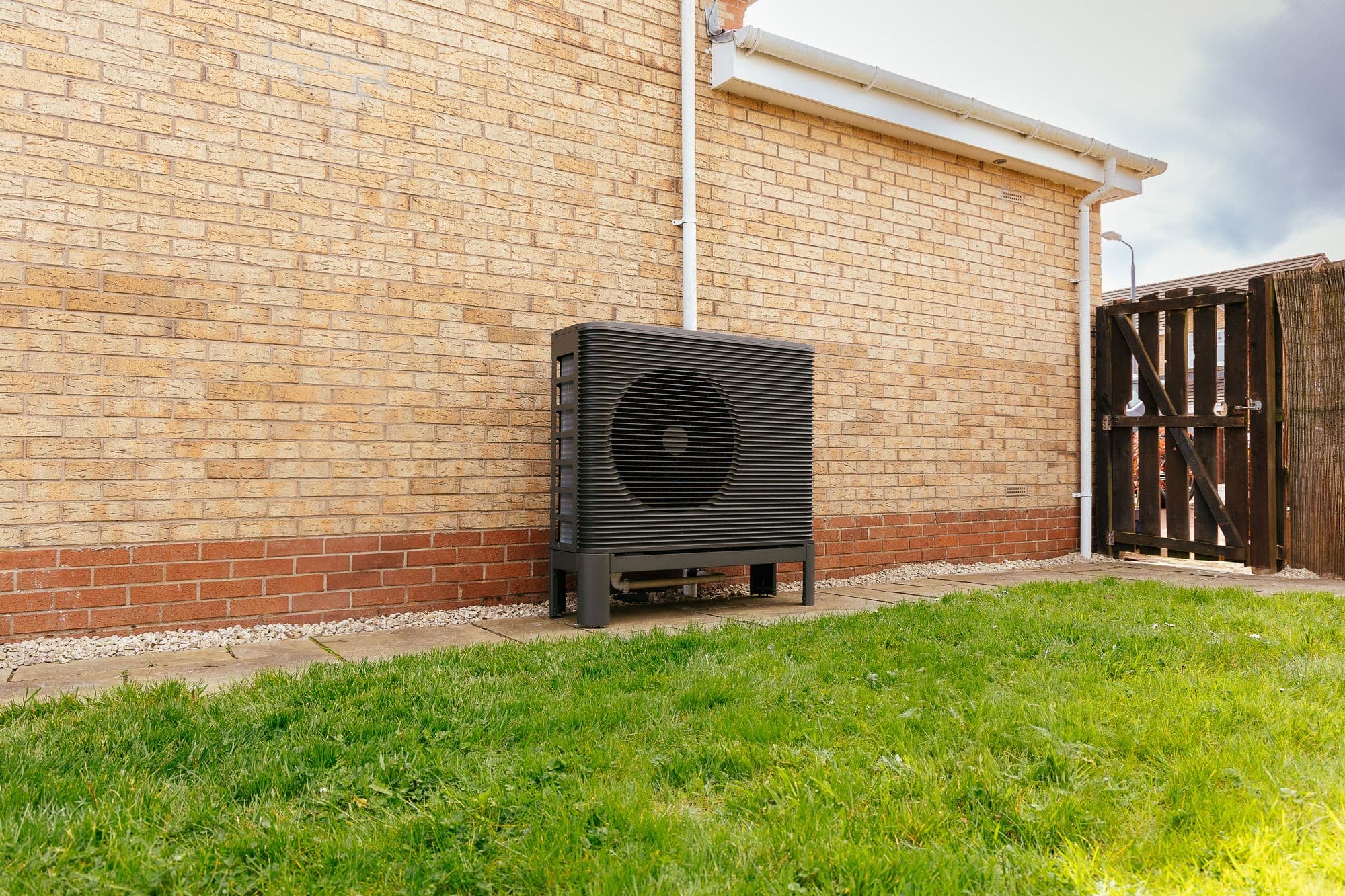
The difference between a heat pump and an air conditioner
Heat pumps and air conditioners may look similar, but they can do very different jobs around the home. Discover how air conditioning, air-to-air and air-to-water heat pumps compare, from cooling and hot water to installation and cost.
Performance & reliability
19 Aug 2026
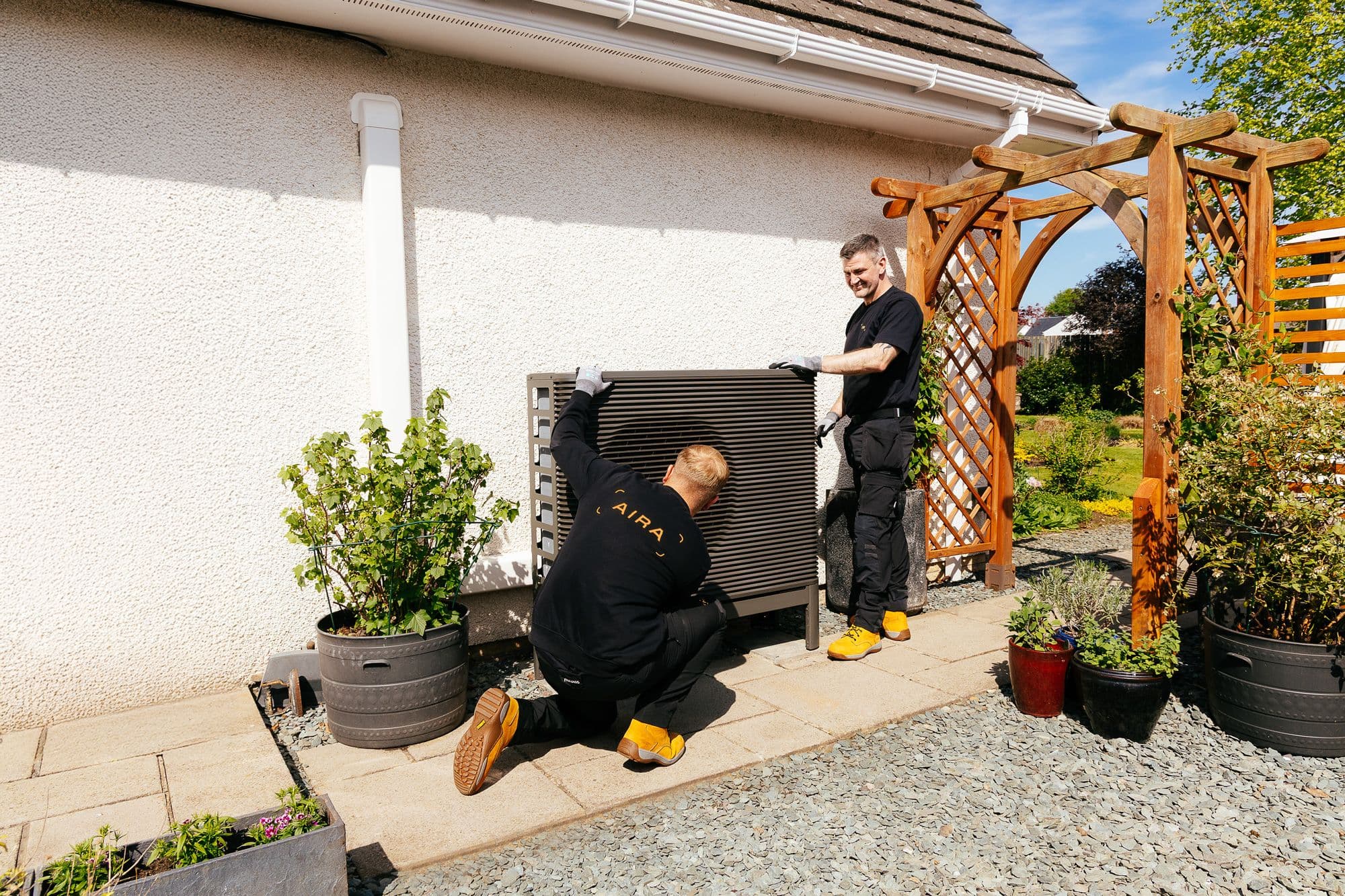
Heat loss calculations explained: why they matter for your heat pump
A heat loss calculation shows how much warmth escapes from every room in your home. Here’s how it helps your installer choose the right heat pump and design a system that keeps you comfortable.
Performance & reliability
14 Aug 2026
How poor flow rate can damage your heat pump's performance
A poor flow rate can make your heat pump less efficient, increase your running costs and leave your home feeling colder than it should. Here's what flow rate actually means, why it matters and how the right system design helps your heat pump perform at its best.

Heat pumps: The basics
13 Aug 2026
Your rights if your heat pump installation goes wrong
Has your heat pump installation gone wrong? Or worried it will go wrong? From MCS protections to the Consumer Rights Act to what to do if your installer stops trading, here's a straightforward guide to your rights and the steps you should take.
Heat pumps: The basics
13 Aug 2026
Heat pump warranties explained: what MCS covers – and what it doesn’t
Most homeowners think MCS certification guarantees their heat pump's performance. It doesn't. Here's what an MCS certificate actually covers, where its protection ends, and the warranty and guarantee questions every homeowner should ask before choosing an installer.
Heat pumps: The basics
4 Aug 2026
What a good heat pump installation actually looks like
A good heat pump installation is about much more than fitting an outdoor unit and connecting a few pipes. Here’s how to judge the survey, system design, workmanship, commissioning and aftercare – plus the red flags to look out for.
Costs & benefits
29 Jul 2026
Heat pump grant UK 2026: £9,000 for oil & LPG boiler homes
The UK heat pump grant has increased to £9,000 for oil and LPG homes. Here’s who qualifies, what it covers, and why now could be the right time to switch.
Costs & benefits
22 Jul 2026
VAT scrapped on electricity bills: What it means for heat pumps
The government is scrapping VAT on household electricity bills from 1 October. Here's what that means for heat pump running costs, why electricity is becoming more affordable, and how the latest change strengthens the case for switching from a boiler.