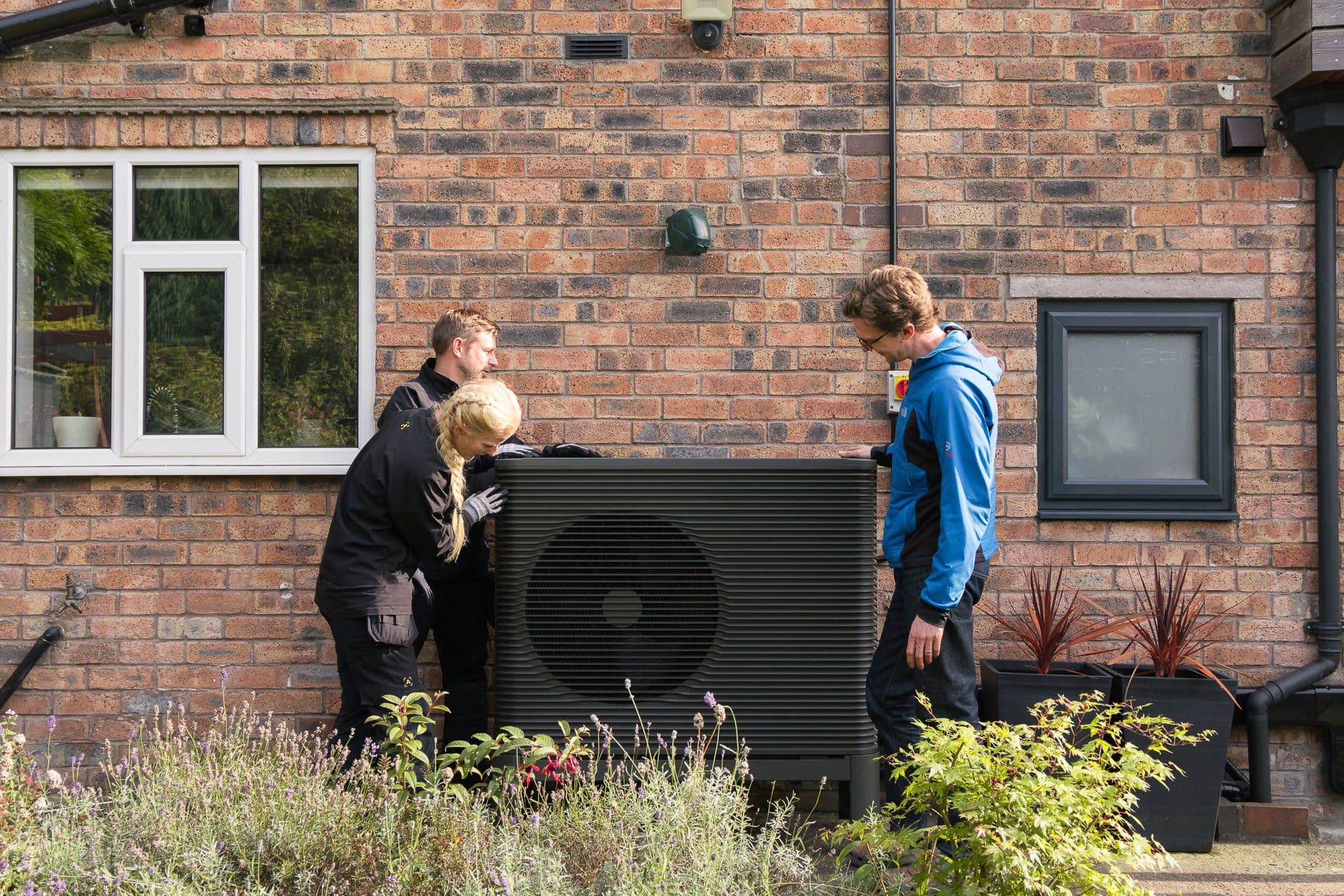
21 September 2026
11 min read
When a heat pump isn’t worth it – and what can change that

Published on
21 September 2026
Time to read
11 minutes
Key takeaways
- A heat pump may not be worth it if the home, system design or costs don’t stack up. Installing one anyway can mean higher bills and rooms that never feel properly warm.
- A new boiler, very high heat loss, major installation work or a lack of suitable space can all weaken the case. Sometimes the honest answer is “not yet”.
- An older home, imperfect insulation or a few radiator upgrades don’t automatically rule out a heat pump. A proper home assessment will show what your home actually needs.
Here’s the honest answer: a heat pump isn’t worth forcing into a home that isn’t ready for one. We won’t do it. And no good installer should.
Get the design wrong, and you could end up with higher running costs, cold rooms and a heating system working far harder than it should. Then the heat pump gets blamed for a system that wasn’t designed properly in the first place.
But that doesn’t mean every draughty window or small radiator spells the end. Sometimes getting a home heat pump ready is much easier than you might think. One or two radiator upgrades, a little loft insulation or a better electricity tariff can completely change the calculation.
That’s why we always start with a free home energy assessment. We look at your home, your current heating and what you want from the switch before recommending anything.
So, when might a heat pump not be worth it? And what can turn a “not yet” into a “yes”? Let’s get into it.
“Worth it” means something different to every home
For some people, a heat pump is worth it if it lowers their energy bills. For others, it’s about leaving fossil fuels behind, enjoying steadier, consistent warmth at home, or replacing a boiler that’s living on borrowed time.
Usually, it’s a mix of all four.
That’s why there isn’t one payback calculation that works for everybody. The answer depends on the heating system you’re replacing, the work your home needs, your electricity tariff and how long you plan to stay there.
A heat pump can be technically suitable without being the right financial move today. Equally, a higher upfront cost might still feel worthwhile if it gives you cleaner heating, greater comfort and less exposure to oil or gas prices.
The important thing is knowing what you’re getting before installation begins.
When a heat pump may not be worth it
1) Your current boiler is new and working efficiently
If you’ve just installed a brand-new, modern gas boiler, replacing it immediately may be difficult to justify on both upfront costs and ongoing energy bill savings.
You’ve already paid for that boiler, and it could have years of useful life ahead of it. Depending on your tariff and how efficiently the heat pump would run, the immediate bill savings may not be enough to outweigh the cost of switching.
That doesn’t mean a heat pump will never be worth it. The calculation can look very different when the boiler starts becoming unreliable, electricity tariffs improve, the cost of gas increases, or you’re already planning wider work on the home.
If your boiler is approaching the end of its life, that’s often the natural moment to compare both options properly. Because you’ll need to spend money on a new heating system either way.
2) The installation needs extensive work
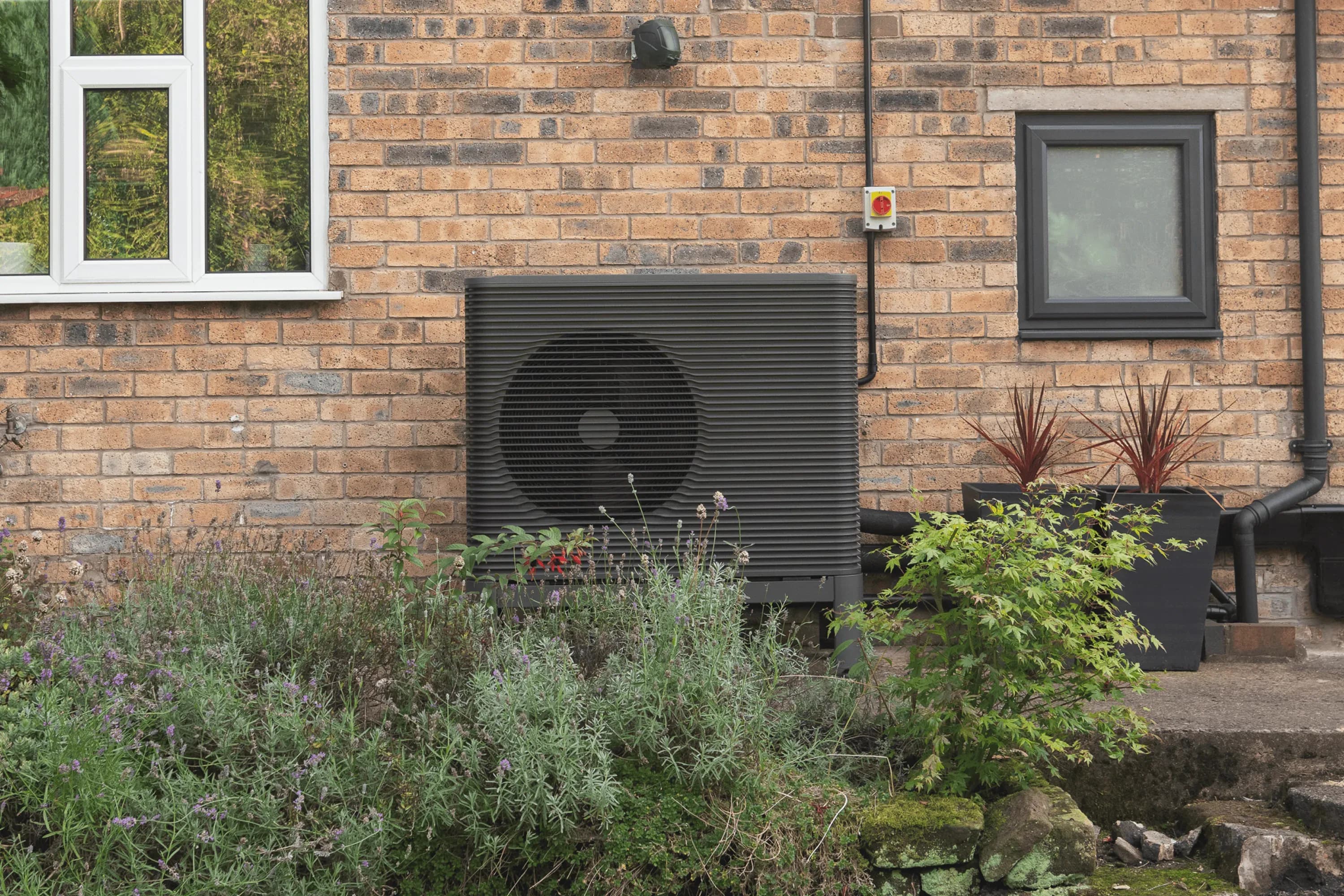
An air-to-water heat pump (like the Aira Heat Pump) becomes part of your complete heating system. That usually includes an outdoor unit, indoor unit, radiators and pipework.
Most homes in the UK were built with gas boilers in mind. As a result, some homes need a few changes to ensure the heat pump works efficiently.
If your home requires extensive pipework alterations, lots of new radiators, electrical work and major building changes, the upfront cost can rise quickly. Those improvements may help the system run efficiently for years, but the full price still needs to make sense for you.
The answer isn’t to skip work that the system needs. Undersized radiators or unsuitable pipework won’t become suitable through positive thinking. All you’ll end up with is higher electricity bills and a home that struggles to stay warm. The answer is to get a detailed quote that shows what needs changing, why it matters and what everything costs.
Government funding can make a big difference here. Eligible homeowners in England and Wales can receive up to £9,000 towards the cost of their heat pump through the Boiler Upgrade Scheme, while Scotland has its own grant and interest-free loan support via the Home Energy Scotland Grant & Loan.
But even after funding, the numbers need to work for your home and budget.
3) Your home loses a lot of heat, and you don’t want to improve it
Just like a gas boiler, a heat pump replaces the warmth your home loses. But, if that warmth disappears through the roof, walls, floors and draughty gaps almost as soon as it arrives, the system has a much bigger job to do.
It can still heat a poorly insulated home. It may simply need to be larger and use more electricity to keep the rooms comfortable.
This is where the difference between possible and worthwhile matters. If the home has extremely high heat loss and you don’t want to make any improvements, the required system could become more expensive to install and run.
That doesn’t mean your home needs to be wrapped in insulation from floor to chimney before you can switch. Many homes already have enough insulation, while others only need a few targeted improvements.
Topping up the loft insulation, sealing obvious draughts or improving one particularly cold part of the home could be enough to reduce its heat loss. Read our guide to installing a heat pump without perfect insulation for a closer look.
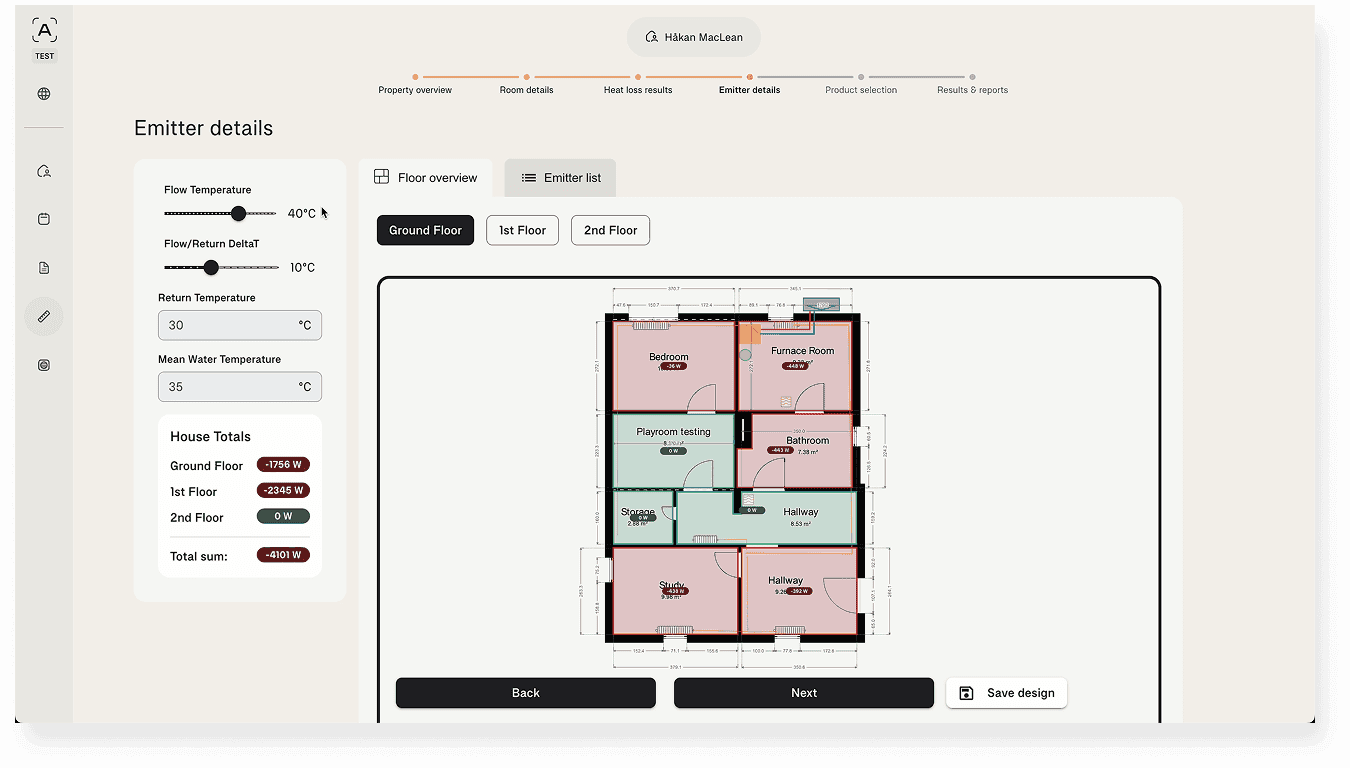
The right place to start is a heat loss calculation. A room-by-room heat loss calculation shows how much warmth escapes from every part of your home. That tells the installer what size heat pump you need, whether any radiators need upgrading and where a little extra insulation could make a meaningful difference.
It should be completed before the final system is designed, signed off and installed. At Aira, we do one for every home. Read our guide to heat loss calculations to see exactly what’s involved.
4) There’s nowhere suitable for the hardware
An air source heat pump needs an outdoor unit with enough clear space around it for air to move freely. It also needs to be positioned where it can be installed, accessed and maintained safely.
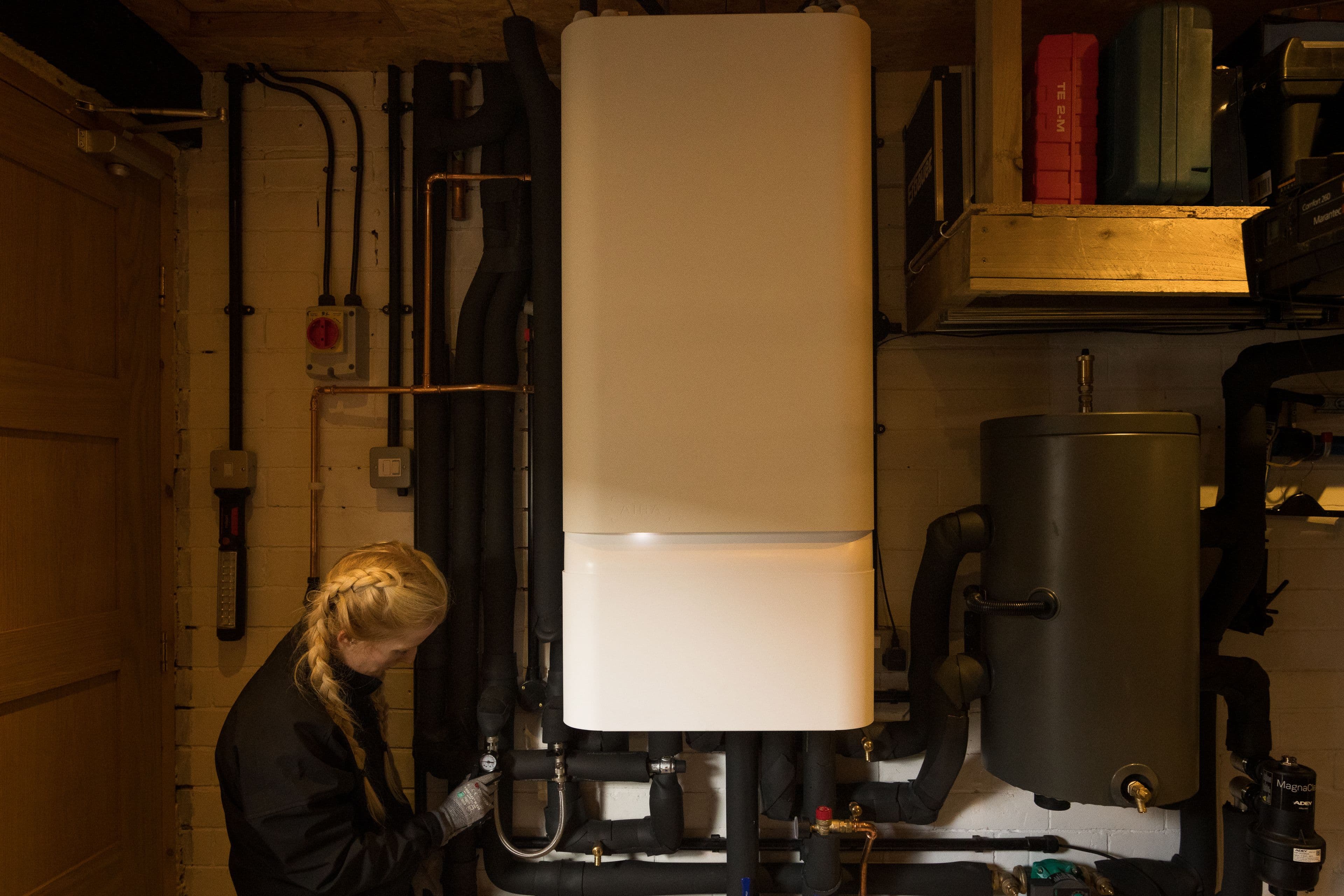
Inside, an air-to-water heat pump system will usually need space for an indoor unit or hot-water cylinder. If you’re replacing a compact combi boiler, that can be a bigger change than expected.
For most homes, suitable locations can be found. But some flats, listed buildings and very compact properties often present more challenges. Permissions from a freeholder, planning restrictions or a complete lack of indoor and outdoor space may make installation impractical.
Don’t rule your home out based on a tape measure and a guess, though. A good installer should explore the available options before giving you a clear answer. You can find out for free by calling one of our experts.
5) You’re expecting guaranteed savings from day one
Heat pumps are incredibly efficient. A well-designed system can produce more than four units of warmth for every unit of electricity it uses.
But electricity and gas don’t cost the same amount per unit. That means greater efficiency doesn’t automatically produce the same saving in every home.
Your bills will depend on:
- The heating system you’re replacing
- How much heat your home needs
- The heat pump’s real-world efficiency
- Your electricity tariff
- The temperature you keep your home
- How much hot water you use
Switching from expensive direct electric heating, LPG or an older fossil-fuel system can create a particularly strong financial case. Replacing a new and efficient gas boiler can be closer.
A compatible heat-pump tariff may bring costs down further by offering cheaper electricity at certain times of the day. But tariff savings depend on how and when your home uses energy, so any estimate should use realistic assumptions.
With an Aira Heat Pump, you can save up to £490 a year compared to a gas boiler. But your actual savings will depend on your home, tariff and energy use, which is why we calculate the potential before you make the decision to switch.
6) You’re moving soon and only want a quick financial return
A heat pump is a long-term home improvement. If you plan to move within the next year and your only goal is recovering every pound through energy savings, the timing may not work for you.
Cleaner heating and a more energy-efficient home may still appeal to future buyers. Research conducted by Scottish Power and WWF calculated that a heat pump can increase a home’s value by £8,000. But you shouldn’t assume a particular increase in property value without looking at your local market and the complete installation cost.
If you’re already renovating the home before selling, replacing an old heating system may still make sense. If the existing boiler is working well and no wider work is planned, you might find waiting the more practical choice.
7) The installer is designing from assumptions
This is the biggest warning sign of the lot.
A heat pump chosen from your home’s floor area, number of bedrooms or a glance at the boiler cupboard isn’t properly designed. Two identical-looking homes can lose heat at completely different rates.
Without a room-by-room heat loss calculation, the installer cannot reliably know:
- What size heat pump the home needs
- How much warmth each room loses
- Whether the radiators can replace that warmth
- What water temperature the system should use
- How much electricity it’s likely to consume
A system that’s too small may struggle in cold weather. One that’s much too large can repeatedly switch on and off, reducing efficiency and placing unnecessary strain on the system.
Even the best heat pump won’t save a heating system designed using the wrong numbers. If the installer can’t show you the calculation or explain the assumptions, that particular heat pump quote isn’t worth it.
These things don’t automatically rule out a heat pump
Plenty of supposed heat-pump deal-breakers aren’t deal-breakers at all. Let’s go through the most common ones…
1) Your home is old
Heat pumps aren’t reserved for shiny new builds. Victorian terraces, Edwardian houses and rural cottages can all be suitable when the system is designed around how the property actually holds on to heat.
An older home may need more careful assessment because its walls, extensions, windows and insulation can vary from room to room. That makes good design more important, not the heat pump impossible.
2) Your insulation isn’t perfect
Better insulation reduces the amount of warmth any heating system needs to replace. But you don’t automatically need to insulate every wall, replace every window and seal the home like a lunchbox.
A proper assessment will show where heat is escaping and which improvements would make a meaningful difference. Sometimes the best answer is a small upgrade. Sometimes the system can be designed around the home exactly as it is.
3) Some radiators need upgrading
Heat pumps usually send water around the heating system at a lower temperature than boilers. Larger radiators provide more surface area, allowing them to warm the room properly with that lower-temperature water.
That can improve efficiency and reduce running costs. It’s an investment in the complete heating system, not evidence that a heat pump won’t work.
And no, it doesn’t always mean replacing every radiator. A room-by-room calculation shows which radiators can stay and which need upgrading.

4) You live somewhere cold
Modern air source heat pumps are built for winter.
The Aira Heat Pump keeps working at temperatures as low as −25°C. And we’re from Sweden, where heat pumps are the norm and winters make the UK’s look mild.
Efficiency changes as the outdoor temperature falls, which is why the system must be sized using the expected winter temperature for the home’s location. But cold weather isn’t the problem – guesswork is.
5) Your home doesn’t have ductwork
You may see ductwork mentioned in online advice, particularly content written for homes in North America.
Air-to-water heat pumps installed in UK homes don’t need it. They heat water for radiators, underfloor heating and a hot-water cylinder, so they can replace a boiler without blowing warm air through ducts.
Good design turns heat-pump potential into real performance
Buying a highly efficient heat pump is only the beginning. The rest of the heating system determines whether that potential reaches your rooms and your energy bills.
A good design brings several things together:
- A heat pump sized around the home’s actual heat loss
- Radiators or underfloor heating that can warm every room
- A water temperature low enough for efficient performance
- Pipework that can move the right amount of water
- Smart controls that adjust the system as the weather changes
Think of it less like buying a boiler and more like tailoring a complete heating system around the home.
That’s why the cheapest heat pump quote isn’t always the cheapest system to own. If important work has been left out or performance assumptions are unrealistic, the real cost may show up later through uncomfortable rooms and higher bills.
A home energy assessment gives you the real answer
You shouldn’t need to decide whether a heat pump is worth it using national averages and internet guesswork.
Aira starts with a free home energy assessment. One of our Clean Energy Experts looks at your current heating, your home and what you want from the switch. We’ll explain what may need changing and calculate a tailored quote.
Before installation, we carry out a detailed technical survey and design the system room by room using our own software. That includes the heat pump, radiators, water temperature, pipework and where everything needs to go.
If your home needs improvements first, we’ll tell you. If the numbers don’t make sense, that matters too.
And if your home is ready? We design, install and continue looking after the complete system when it’s all up and running. Grant application included. First year of the Aira all-inclusive plan included. Everything under one roof.
Learn more about our Aira Heat Pump installation journey here.
The verdict: sometimes a heat pump isn’t worth it yet
A heat pump may not be worth it if the complete installation costs far more than you’ll reasonably get back in lower energy bills, your home loses too much heat and you don’t want to improve it, or there simply isn’t a practical place for the equipment.
It may also make sense to wait if you’ve just installed a new boiler and your only goal is immediate financial savings.
But an older home, imperfect insulation or a few radiator upgrades aren’t automatic reasons to walk away. Many homes are much closer to being heat pump ready than their owners expect.
The only reliable way to know is to assess the home properly, calculate its heat loss and design the complete system before installation begins.
No guesswork. No crossing your fingers when winter arrives. Just a clear answer based on your home.
See how much you could save with an Aira Heat Pump
Answer 4 quick questions to get started
What type of house do you live in?

Related articles
Heat pumps: The basics
13 Aug 2026
Your rights if your heat pump installation goes wrong
Has your heat pump installation gone wrong? Or worried it will go wrong? From MCS protections to the Consumer Rights Act to what to do if your installer stops trading, here's a straightforward guide to your rights and the steps you should take.
Heat pumps: The basics
13 Aug 2026
Heat pump warranties explained: what MCS covers – and what it doesn’t
Most homeowners think MCS certification guarantees their heat pump's performance. It doesn't. Here's what an MCS certificate actually covers, where its protection ends, and the warranty and guarantee questions every homeowner should ask before choosing an installer.
Heat pumps: The basics
4 Aug 2026
What a good heat pump installation actually looks like
A good heat pump installation is about much more than fitting an outdoor unit and connecting a few pipes. Here’s how to judge the survey, system design, workmanship, commissioning and aftercare – plus the red flags to look out for.
Heat pumps: The basics
17 Apr 2026
Do you need insulation before installing a heat pump?
Do you need to insulate your home before installing a heat pump? Not always. But the right level of insulation can make a big difference to performance, cost, and comfort.

Heat pumps: The basics
13 Apr 2026
Heat pump quotes: what to look for (and what to avoid)
Heat pump quotes can vary widely, but understanding what’s included makes all the difference. This guide explains what to look for, what to avoid, and how to choose a system that delivers real comfort and long-term value.

Heat pumps: The basics
2 Dec 2025
Do heat pumps work in older homes?
Thinking heat pumps are just for new builds? Think again. Many older homes can run a heat pump efficiently and affordably – cutting energy bills, reducing carbon emissions, and future-proofing your home. Just as a heat pump in a newbuild home would.